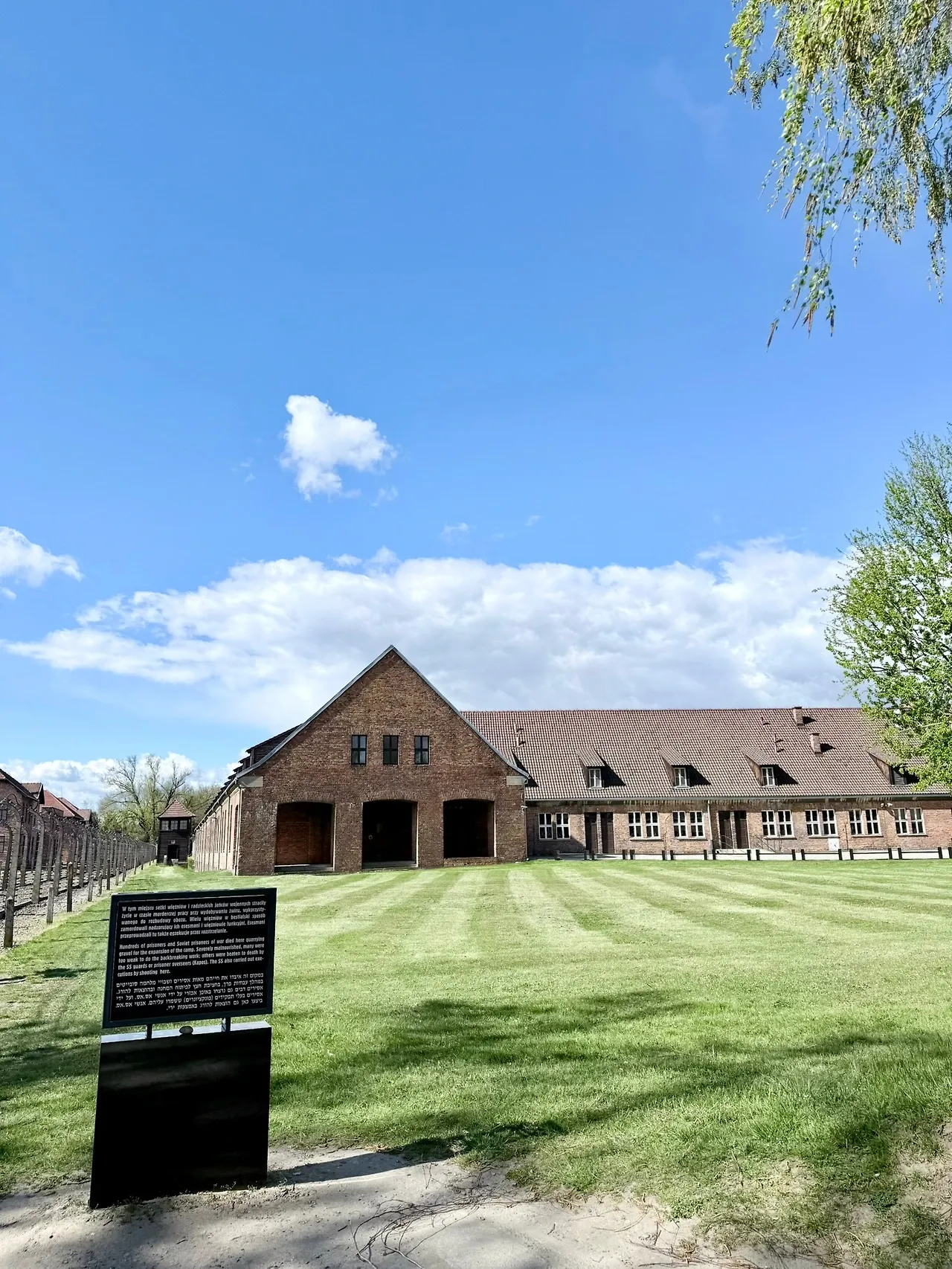
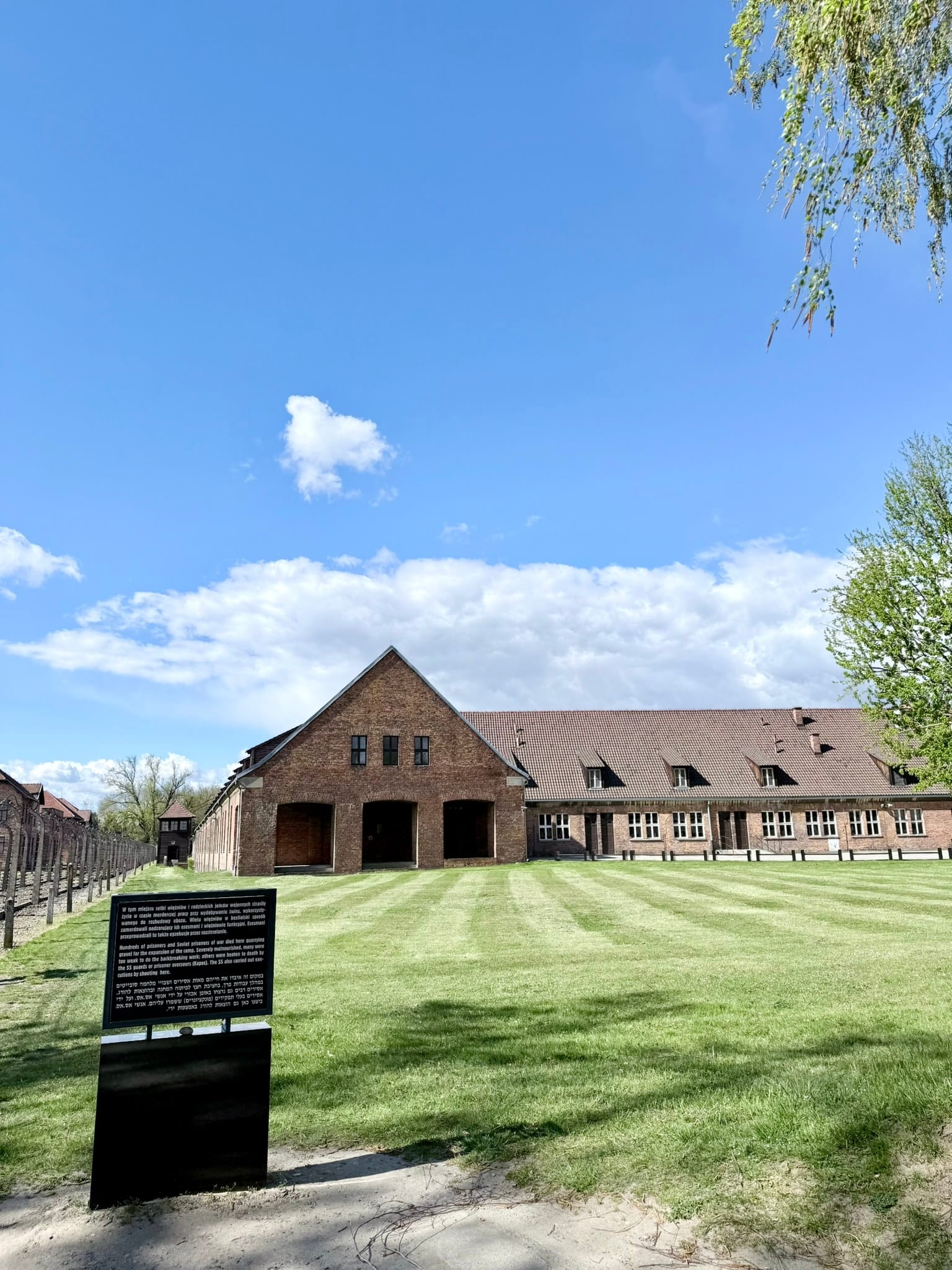
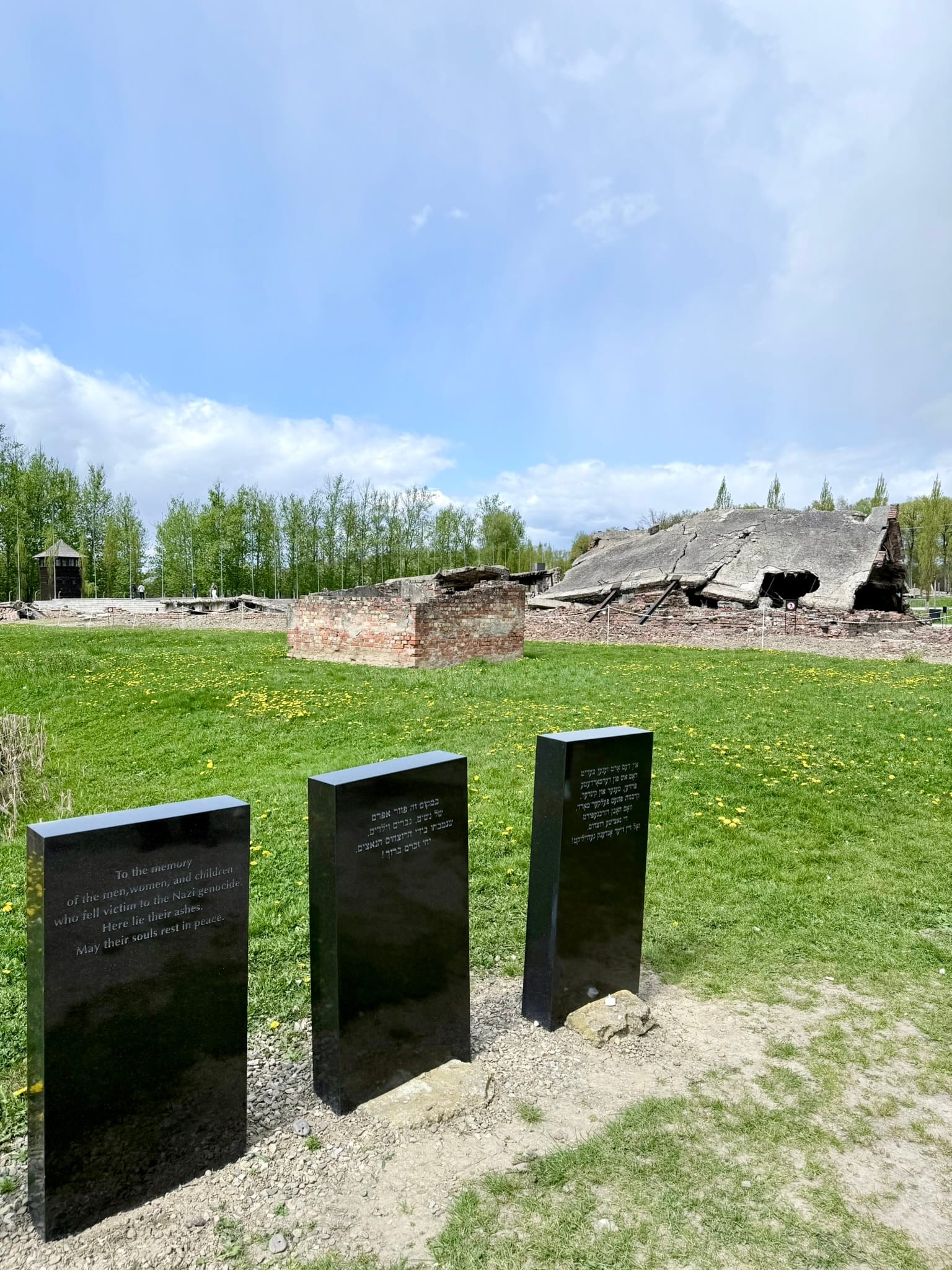
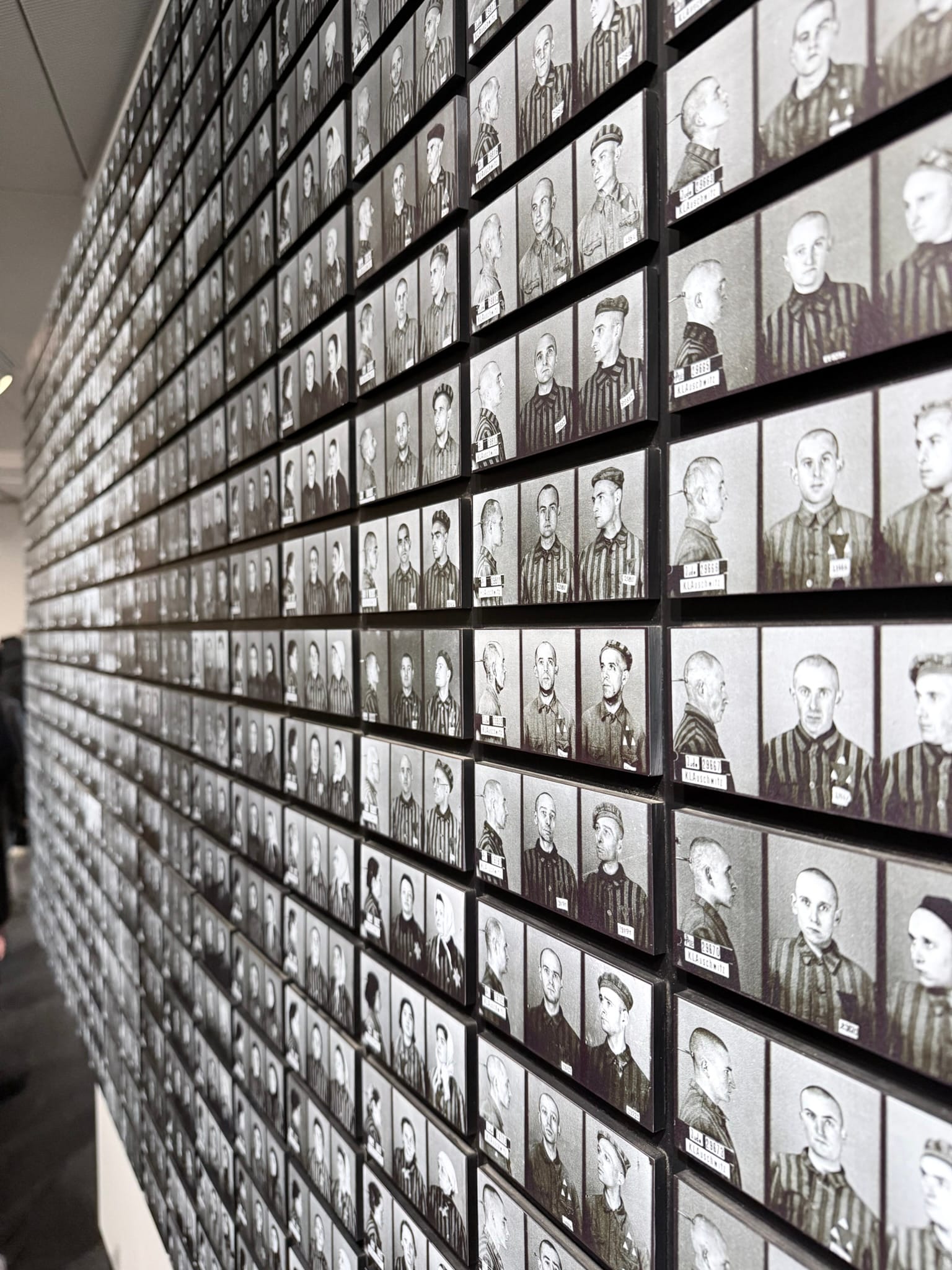
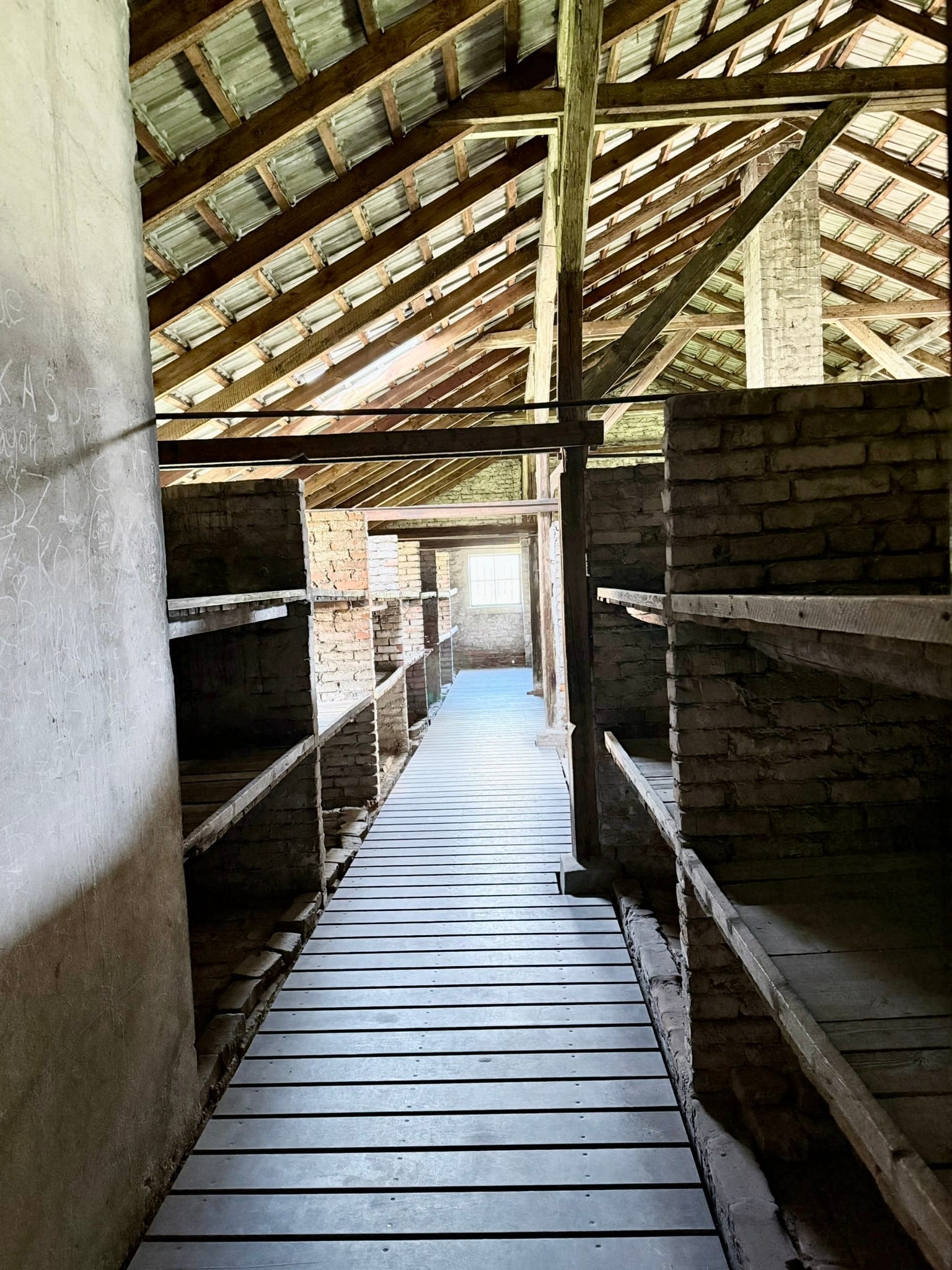
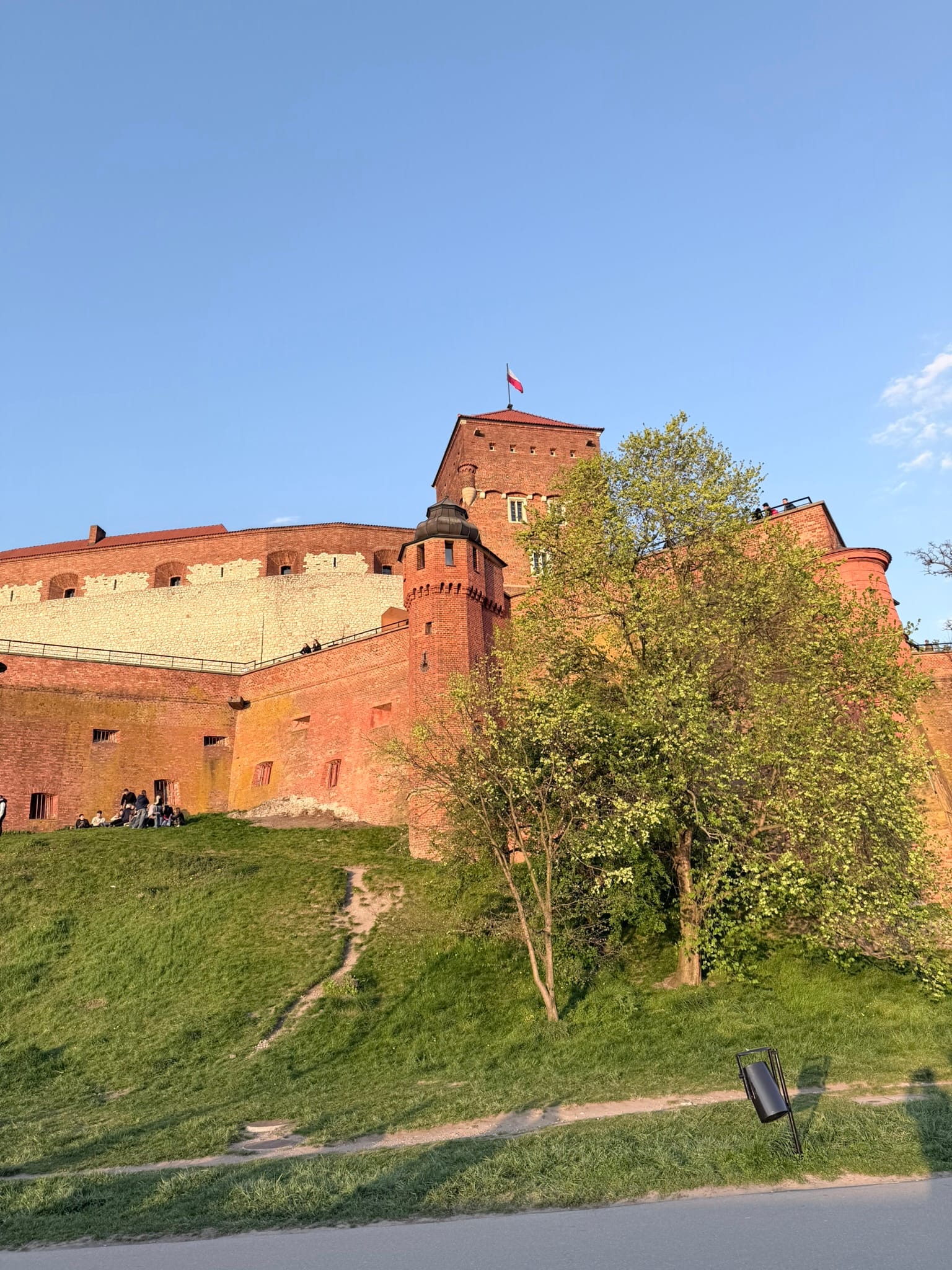
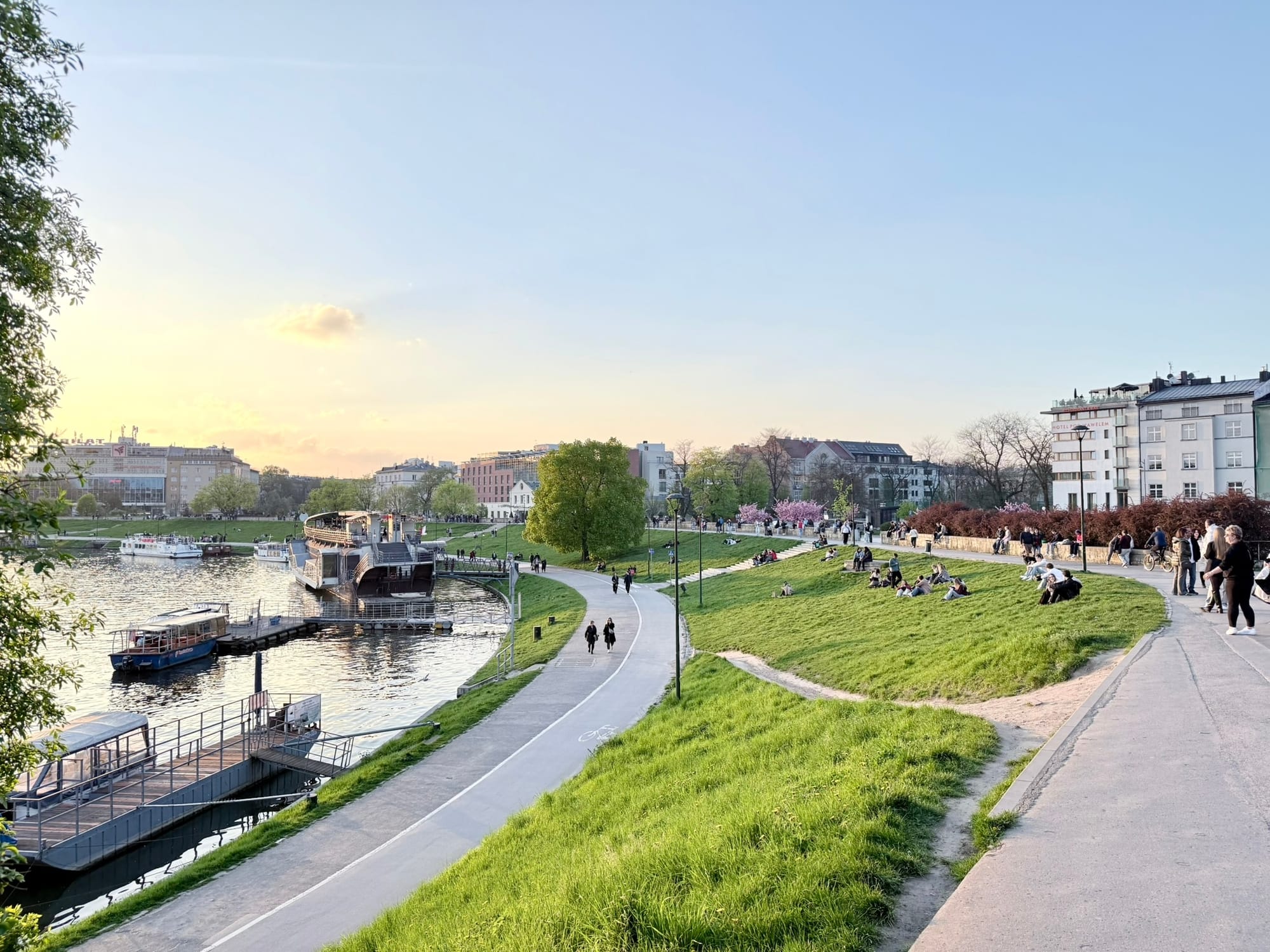
주말 동안 잠깐 폴란드를 다녀왔다. 학교 동기 중 친한 일본 친구가 아우슈비츠를 가보자고 해서 함께 다녀온 길이었다. 4월의 폴란드는 생각보다 아직 추웠다. 금요일부터 일요일까지 보내면서 다소 여유로움을 느낄 수 있었는데, 폴란드는 북적거리는 여행지라기보다 몇 가지 역사적인 장소들을 품고 있는, 그런 공간에 가까웠다.
아우슈비츠를 방문하면서 떠오르는 생각은 여러 갈래였다. 사람으로서 어떻게 사람을 이렇게 대할 수 있을까, 피해자들에게 이 곳에서의 삶은 어떠했을까, 전쟁이라는 거대한 담론까지 다양한 생각들이 스쳐 지나갔다. 이런 큰 주제들에 대해서도 크라쿠프에서 많은 생각을 했지만, 런던의 현실로 다시 돌아오는 길에 내가 더 깊이 머물게 된 지점은 따로 있었다. 내 삶에 있어서 나는 얼마나 소중하게 살고 있는가, 라는 질문이었다.
요즘 들어 여전히 나는 인생의 방향성에 대해 고민한다. 그 고민은 무언가를 성취해야겠다거나 뭘 먹고 살아야겠다는 식의 고민이라기보다, 무엇을 해야 행복할 수 있을까에 가까운 고민이다. 그런데 무엇을 해야 할지 고민하기에 앞서, 내가 생각하고 원하는 그 방향에 대해 내가 얼마나 절실하게 임하고 있는가를 먼저 들여다보지 않을 수 없다.
요즘 들어서는 박사(PhD)에 대한 고민도 해보고, 취업에 대한 고민도 해본다. 어떤 방향성이 나에게 맞을지, 어떤 기회가 적기에 주어질지는 알 수 없는 일이지만, 내가 고민하고 있는 이 방향성들에 대해 절실함을 가지고 임하고 있는지에 대해서는 스스로도 썩 만족스럽지 못하다.
내 커리어에서 인생의 방향을 크게 바꾼 사건은 두 번 정도 있었다. 그 시기들을 돌아보면, 그런 변화는 내가 가만히 있다가 얻게 된 그저 그런 결과들이 결코 아니었다. 첫 직장을 가질 수 있었던 데에는 그 시기에 적합한 사람을 만났던 운도 분명 작용했지만, 그 안에는 내가 쏟았던 무수한 노력들이 있었다. 런던에서 나를 알아봐 준 감사한 선배들이 있었고, 그 안에서 나는 다른 어떤 팀원보다 오래, 그리고 깊게 일하는 걸 좋아했다. 그렇게 많은 일할 기회를 얻었고, 그 기회들이 결국 나를 대학원이라는 곳까지 연결해 주었다.
두 번째는 조금 더 극단적인 케이스다. 첫 번째 대학원을 졸업하고 들어간 곳은 컨설팅을 하는 부서였고, 거기에서 완전히 다른 부서로 이동하는 것은 사실상 불가능에 가까운 선택이었다. 종종 한두 명씩 이동하는 케이스가 있긴 했지만 현실적으로는 막혀 있는 벽에 가까웠다. 우리 회사는 전문직 자격증을 가진 공채 경로와 경력직 경로가 서로 다르게 운영되었기 때문에, 실제 이동에 대한 제도적 장벽뿐 아니라 정서적 장벽도 컸다.
나는 관련 부서와 일을 해본 적은 있었지만 막연한 지식밖에 없었다. 그래도 무언가 새로운 일을 해보고 싶었다. 사실 그 일을 왜 하고 싶냐고 물으면 그때는 장황하게 설명할 수 있었지만, 그 부서에서 실제로 일을 해본 지금에 와서 돌이켜 보면, 정말 아무것도 모른 채 들어가서 아무것도 모른 채로 퇴사한 것 같다. 그렇다면 어떻게 이동할 수 있었을까? 28살의 나는 참 단순했다. 그냥 회사 안에서 전화번호부를 열고, 연락 가능한 주요 임원들을 추렸다. 그리고 그분들의 성격이나 성향을 파악해서, 가장 진취적이면서 내 배경에 대해 거부감이 낮을 것 같은 한 분에게 장문의 메일을 보냈다.
저녁 9시쯤 메일을 보냈는데, 답장이 새벽 3시쯤 돌아왔다. 너무나 기뻤다. 마치 부서 이동을 다 한 것 같은 기분이 들 정도였다. 답장은 아주 간결했다. 한번 티타임을 해보자고. 그래서 언제가 좋으시냐고 답을 보냈는데, 그 답장은 두 달 정도 받지 못했다. 고민 끝에 결국 리마인더를 보냈고, 처음 메일을 보낸 시점에서 한참 지난 후에야 점심 식사를 한 번 하게 되었다.
점심 식사는 마치 면접 같았다. 내 이력서에 대한 질의가 오갔고, 왜 옮기려는지, 와서는 어떤 일을 하는지는 알고 있는지, 마치 다른 회사 면접을 보는 것처럼 이런저런 이야기가 오갔다. 문제는, 나와 점심을 하는 이 임원도 채용 권한이 없다는 점이었다. 그저 일종의 통로 역할이고, 그 위에 있는 본부장과 대표급까지 이야기가 되어야 옮길 수 있는, 생각보다 어려운 경로였다. 그렇게 첫 만남 이후에 두세 번 정도 만남을 더 이어갔고, 어느 정도 컨센서스를 맞춘 뒤 사내 부서이동 프로그램에 지원했다.
문제는 또 일어났다. 지원서를 내고 서류 결과 발표를 기다렸는데, 결과 명단에 내 이름이 없었다. 그러자 내가 가려던 부서(B)의 임원에게서 연락이 왔다. 왜 지원을 안 했냐며 약간의 서운함을 표하는 것이었다. 나는 그때 무슨 일이 벌어진 건지 짐작조차 못 했다. 그쪽에서 나를 떨어뜨린 건가 의심도 들었다. 나중에야 밝혀진 사실은, 계속 고성과자로 분류되었던 내 기존 부서(A)에서 HR Head 쪽으로 컴플레인을 넣었다는 것이었다. 이런 사람이 계속 부서에서 유출되면 사업에 지장이 생기니 이동을 막아 달라는 내부적인 힘이 작용한 것이다. 그렇게 몇 달간 준비했던 나름의 부서 이동은 물거품이 되었다.
그 뒤에 나는 이직과 유학 준비를 동시에 진행했다. 당시가 5월쯤이었던 것 같다. 부서 이동이 막힌다면 이직을 하든 유학(당시 박사 과정)을 가든 무조건 회사를 떠나겠다는 생각이 확고했다. 시간이 좀 더 흐른 뒤 새로운 이직처와 유학 합격 결과를 받았고, 그때가 10월 말 정도였다. 그 시점에 나는 유학이든 이직이든 모든 옵션을 손에 쥐고 다시 한번 깊이 생각해 보았다. 나는 내가 다니는 회사를 좋아했고, 보수적인 면이 있어서 로열티에 대한 감각이 강한 사람이다. 그래서 사실 회사를 떠나고 싶지는 않았다. 내가 다져 놓은 기반들을 버리는 것도 마뜩잖았다. 마지막으로 우리 본부장과 담판을 지어 봐야겠다는 생각으로 메일을 적었다. 그 메일은 퇴사 노티스이면서, 동시에 내가 하고자 하는 일에 대한 의지의 표명이기도 했다.
퇴사 메일에서 우선 나는 그동안 본부장 밑에서 얼마나 많은 기회를 부여받았는지 적었다. 아부가 아니라 정말 많은 기회를 받았었다. 내가 가진 역량 대비 다른 사람보다 많은 프로젝트 기회를 받았고, 승진과 급여 측면에서도 압도적인 지지를 받아 왔다. 그 부분에 대해 본부장에게 진심으로 감사하다는 말을 전했다. 다만 몇 년간 일을 해 오면서, 이 조직이 좋긴 하지만 조직의 문제라기보다는 내가 가진 기질을 고려할 때 새로운 분야로 옮기고 싶다는 것, 그리고 더 늦기 전에, 나이를 고려해서 새로운 분야에 도전해 보고 싶다는 생각을 전달했다. 그래서 퇴사하겠다고 했다. 마지막으로, 부서 이동을 못 한 것이 매우 아쉽고, 회사 안에서 내 능력과 로열티를 더 발전시킬 기회가 주어진다면 다시 생각해 볼 수 있다는 점을 덧붙였다. 사실 별 기대는 없었다.
그런데 본부장은 의외의 반응을 보였다. 아주 심플하게, 네가 이 정도로 새로운 분야를 절실하게 하고 싶어 하는지 미처 몰랐다는 것이었다. 그리고 네가 가고 싶은 본부장의 이름을 가져오면 자기가 직접 전화를 걸어 주겠다고 했다. 그렇게 나는 다른 본부로 이동할 수 있는 면접의 기회를 얻게 되었다. 회사 내부에는 없는 절차였지만, 마치 다른 회사로 이직하는 사람처럼 의사 결정권자에게 면접을 보는 셈이었다. 약 2주 뒤에 새로운 부서 본부장님과 면접을 보게 되었다. 오전 9시에 본부장 방으로 찾아가는 길이었는데, 오래 다닌 회사 안에서도 그렇게 다시 긴장한 것은 새로운 경험이었다. 그래도 다행이었던 것은, 나에게 무엇보다 커리어 변경에 대한 절실함이 있었다는 점이다. 당시 나는 이미 이직 기회도 가지고 있었고, 박사의 기회도 가지고 있었다. 그래서 일단 안 되더라도 이게 내가 낼 수 있는 최대한의 절실함이니 후회는 없겠다고 생각했다.
면접은 생각보다 어려웠다. 우선 나와 같은 커리어 루트로 자기 본부에 온 사람도 없었고, 무엇보다 네가 적응할 수 있을지 모르겠다는 강한 엄포가 있었다. 면접이 시작되자마자 본부장은, 그쪽에서 강력하게 추천해서 내가 너의 얼굴을 보긴 하지만 정말 네가 잘할지는 모르겠다, 지금 가지고 있는 경력이 연관성이 있는 것도 아닌 것 같은데 와서 잘할 자신이 있냐는 식의 다소 공격적이고 차가운 질문들을 이어갔다. 기술적인 질문도 뒤따랐다. 그리고 또 하나, 네가 온다고 하더라도 다른 부서인 만큼 직급은 2년치를 깎고 연봉도 깎겠다는 것이었다. 그런데 그 모든 질문 앞에서도 그때의 나는 기분이 나쁘지 않았다. 내가 가진 상태는 내가 봐도 수긍이 갈 만큼 비어 있었고, 본부장의 의문은 나 스스로도 갖고 있는 의문이었기 때문이다. 내가 채용 담당자였더라도 나를 뽑지 않았을 것 같았다.

그런 면접장 안에서도 그럼에도 나는 그 일이 하고 싶었다. 왜인지는 모르겠지만, 정말로 나에게는 변화가 필요했고, 그 변화에 적합한 일이라는 생각이 들었다. 그래서 말도 안 되는 줄 알면서도 되는 대로 이야기했고, 무조건 가고 싶다고, 연봉이나 직급은 알아서 결정하시면 된다고 했다. 30분 정도의 공포 인터뷰를 마치고 기존 본부로 돌아와 기다렸다. 일주일 정도 지났을 때, 처음 티타임을 했던 상무에게서 연락이 왔다. 본부장님이, 직급 깎고 연봉 깎는 조건으로도 아직 들어오고 싶은지 물어보라고 하셨다는 것이다. 나는 얼마를 주든, 직급이 무엇이든 가겠다고 했다. 그렇게 나는 이직처와 박사 입학 기회를 모두 거절하고 M&A 분야에서 일을 시작하게 됐다.
그게 그 당시 내가 가지고 있던 어떤 절실함이었다. 그 변화를 만들어 내기 위해 새벽같이 일하는 와중에도 새벽과 점심 시간에 자격증 공부를 했고, 이직을 실현하기 위해 위와 같은 절실함의 과정에서 여러 번 포기할 수 있었던 고비를 넘기며 결국 성공시켰다. 지나고 보면, 내가 겪었던 일종의 시련들은 내가 어떤 일을 정말 하고 싶은지, 그 진심을 시험하는 장치 같았다. 그 고비 안에서 포기하지만 않는다면 어떻게든 이루게 되는 것 같다.


그럼 다시 지금의 나로 돌아와서, 다시 고민해 본다. 나는 정말 절실하게 무언가 하고 싶은가? 나는 아직도 방황하고 있다. 이제 내 인생의 방향을 바꿀 수 있는 마지막 타이밍 정도에 서 있다. 그래서 더 신중해지기도 한다. 다만, 23살, 28살의 나에 비해 경험이 많이 쌓여서인지 아니면 방어적이 되어서인지는 모르겠지만, 이미 성공한 사람들의 트랙과 내가 가진 것이 조금만 달라도 지레 짐작으로 포기해 버리는 경향이 더 생긴 것 같다. 사실 내가 걸어온 길을 돌아보면 내가 지금 이 자리에 있는 것 자체가 말이 안 되고 설명도 안 되는데, 너무 쉽게 포기하거나 방어적이 되어 버린다. 다시 내가 걸어온 길을 들여다보면, 내가 할 수 있는가에 대한 질문은, 내가 그 일과 그 인생을 얼마나 하고 싶은가에 대한 질문으로 자연스레 바뀌게 된다.
아우슈비츠에서 친구와 나눴던 대화를 곱씹게 된다. 그곳에 있었던 사람들의 기록을 보면, 짧게는 1개월, 길어도 3~5개월 안에 죽음을 맞이했다고 한다. 내 인생이 유한하다고 생각할 때, 나는 정말 지금의 내 인생을 소중하게 여기고, 어떤 절실함을 가지고 살고 있는가? 아니면 그냥 주어진 하루를 주어진 대로 살아내고 있는가? 주어진 삶을 평온하게 살아내는 것도 멋진 일이고, 가족과 함께하는 삶도 좋은 것이다. 그러나 변화와 도전을 선택해 들어선 지금의 유학 길 안에서, 나는 어떤 절실함을 가지고 살고 있는가. 이번 주말, 그런 생각이 자꾸 떠올랐다.
졸업을 선택해야하는 이 시점에 다시 한번 스스로에게 묻는다.
나는 과거의 나보다 절실함을 가지고 있는가?
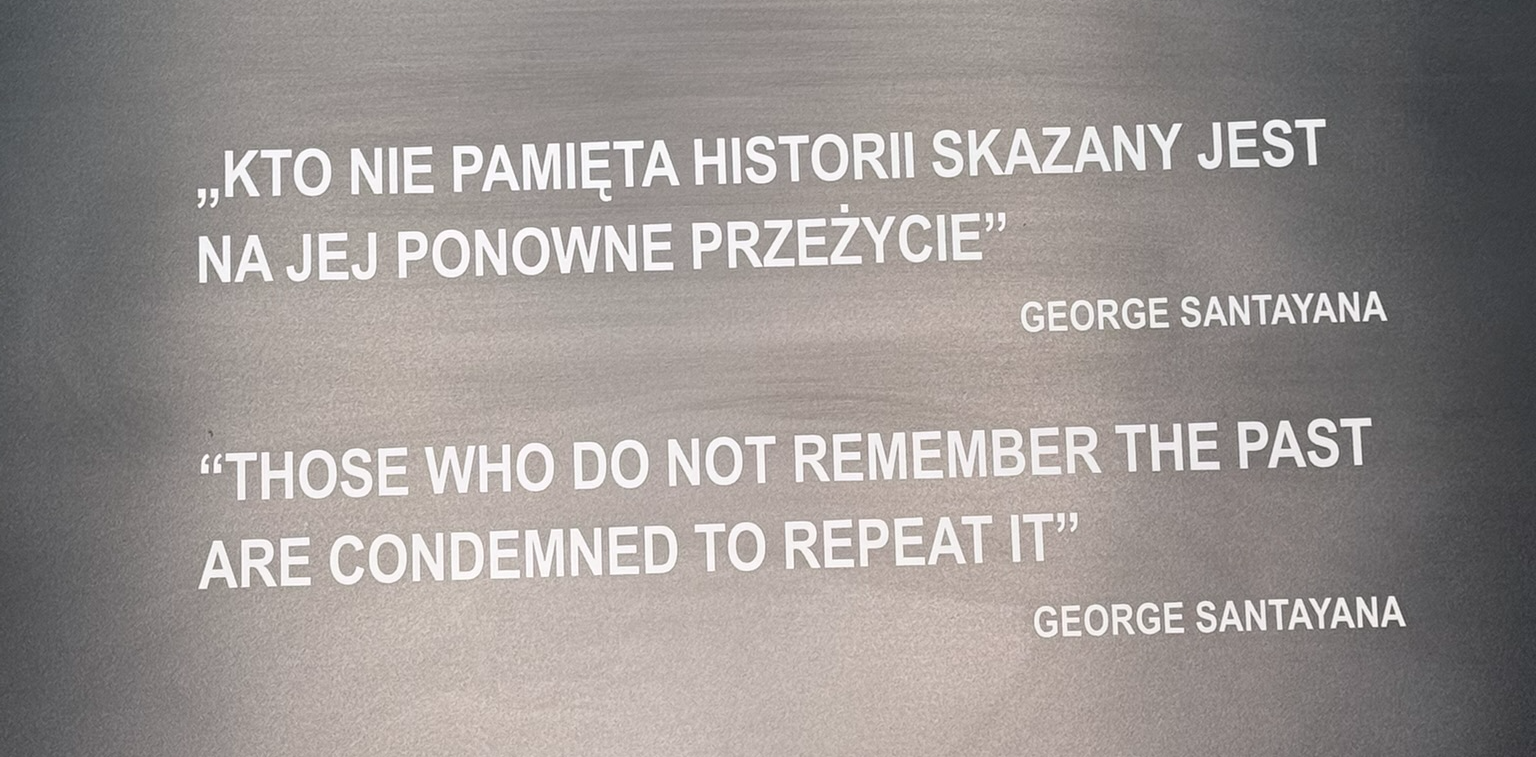
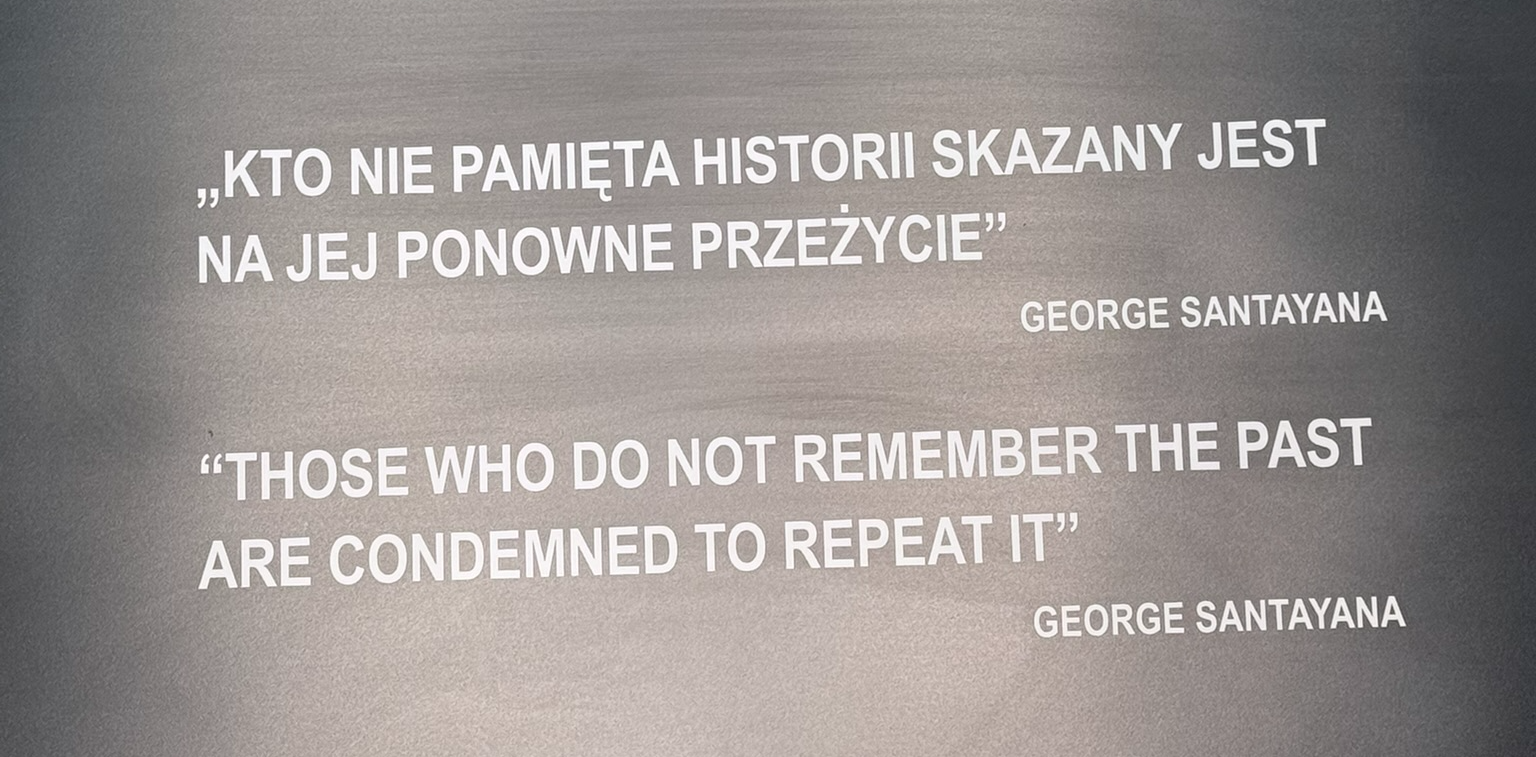
과거를 기억하지 못하는 사람들은 그것을 반복할 수밖에 없다.
I spent a brief weekend in Poland. A close Japanese friend from school suggested we visit Auschwitz, so we made the trip together. April in Poland was colder than I had expected. From Friday through Sunday I felt a certain ease; Poland struck me less as a bustling tourist destination than as a space holding a few historic places within it.
Visiting Auschwitz, my thoughts ran in several directions. How could a human being treat another human being this way; what must life here have been like for the victims; and on to the vast question of war itself—all sorts of thoughts passed through me. I gave a great deal of thought to these large themes in Kraków, but on the way back to the reality of London, the point I came to dwell on more deeply was a different one. It was the question of how preciously I am living my own life.
These days I still wrestle with the direction of my life. That struggle is less about needing to achieve something or figuring out how to make a living, and closer to the question of what I should do to be happy. But before asking what I should do, I cannot help but first look at how earnestly I am committing myself to the direction I think about and want.
Lately I have considered a PhD, and I have considered going back to work. I cannot know which direction suits me, or what opportunity will come at the right time, but when it comes to whether I am committing myself with real earnestness to the directions I am weighing, I am not quite satisfied with myself.
In my career there have been about two events that drastically changed the direction of my life. Looking back on those times, such changes were by no means ordinary results that fell into my lap while I sat still. Landing my first job certainly owed something to the luck of meeting the right person at the right time, but within it lay countless efforts I had poured in. There were senior colleagues in London who, to my gratitude, recognized me, and within that I loved working longer and more deeply than any other member of the team. That is how I earned so many chances to work, and those chances ultimately connected me to graduate school.
The second is a somewhat more extreme case. The place I joined after finishing my first graduate degree was a consulting division, and moving from there into an entirely different division was a choice close to impossible in practice. There were occasionally one or two cases of people moving, but realistically it was closer to a blocked wall. Because my company ran a separate track for professional-certification new hires and for experienced hires, there was not only an institutional barrier to actually moving but a strong emotional one as well.
I had worked with the relevant division before, but I had only vague knowledge of it. Even so, I wanted to try something new. If you had asked me back then why I wanted to do that work, I could have explained at length, but looking back now that I have actually done the job in that division, it feels as though I went in knowing nothing and left knowing nothing. So how did I manage to move? At twenty-eight I was quite simple. I just opened the company directory, narrowed down the key executives I could reach, gauged their personalities and dispositions, and sent a long email to the one who seemed most progressive and least likely to be put off by my background.
I sent the email around nine in the evening, and a reply came back around three in the morning. I was overjoyed. I felt almost as if the transfer were already done. The reply was very brief: let’s have a tea sometime. So I wrote back asking when would be good, and that reply I did not receive for about two months. After much hesitation I finally sent a reminder, and only long after my first email did we manage to have a single lunch.
The lunch was like an interview. Questions went back and forth about my résumé—why I wanted to move, whether I understood what the work involved—this and that, just like interviewing at another company. The problem was that this executive having lunch with me had no hiring authority either. He was merely a kind of channel; it was a harder path than I had thought, one where the conversation had to reach the division head above him and even the C-suite before I could move. So after that first meeting we met two or three more times, and once we had reached a degree of consensus I applied to the internal transfer program.
A problem arose again. I submitted my application and waited for the screening results, and my name was not on the list. Then I got a call from the executive of the division (B) I was trying to join, expressing a little disappointment, asking why I hadn’t applied. At the time I couldn’t even guess what had happened. I even suspected that their side had rejected me. Only later did it come out that my existing division (A), where I had consistently been classified as a high performer, had filed a complaint with the HR Head. An internal force had been at work to block my move, on the grounds that if such a person kept leaking out of the division it would disrupt the business. And so the transfer I had prepared for over several months came to nothing.
After that I pursued changing jobs and preparing to study abroad at the same time. I think it was around May. If the transfer was blocked, I was firm in my resolve to leave the company no matter what—whether by changing jobs or going abroad (a PhD program at the time). Some more time passed, and I received an offer from a new employer and an admission result for study abroad; that was around the end of October. At that point I held every option in hand—study abroad or a new job—and thought deeply once more. I liked the company I worked for, and being someone with a conservative streak, I have a strong sense of loyalty. So in truth I did not want to leave. I was also reluctant to throw away the foundations I had built. With the thought that I should at least have a final showdown with my division head, I wrote an email. That email was both a notice of resignation and, at the same time, a declaration of my will to do the work I wanted to do.
In the resignation email I first wrote about how many opportunities I had been given under my division head over the years. It wasn’t flattery—I really had been given so many opportunities. Relative to my abilities I had received more project opportunities than others, and I had been overwhelmingly supported in terms of promotion and pay as well. I conveyed my sincere thanks to my division head for that. But, I told him, having worked for several years, while I liked this organization, the issue was less the organization than my own temperament: I wanted to move to a new field, and before it grew too late, considering my age, I wanted to take on the challenge of a new field. So I said I would resign. Finally, I added that not being able to transfer was deeply regrettable, and that if I were given the chance to further develop my abilities and loyalty within the company, I could reconsider. Honestly, I had little expectation.
But my division head reacted unexpectedly. Quite simply, he said he hadn’t realized I wanted a new field this earnestly. And he said that if I brought him the name of the division head I wanted to join, he would call that person himself. And so I gained the chance to interview for a move to another division. It was a procedure that didn’t exist within the company, but it amounted to interviewing with a decision-maker like someone changing companies. About two weeks later I had an interview with the head of the new division. I walked to his office at nine in the morning, and feeling that nervous again inside a company I had been at for so long was a new experience. Still, the saving grace was that, above all, I had an earnestness about changing my career. At the time I already had a job offer in hand, and I had the PhD opportunity as well. So I thought that even if it didn’t work out, this was the most earnestness I could muster, and I would have no regrets.
The interview was harder than I expected. For one thing, no one had come to his division by a career route like mine, and above all there was a strong warning that he wasn’t sure I could adapt. As soon as the interview began, the division head pressed on with rather aggressive, cold questions: he was seeing my face only because they had recommended me strongly, but he really wasn’t sure I’d do well; my current experience didn’t seem related at all, so was I confident I could come and do well? Technical questions followed. And one more thing—even if I did come, since it was a different division, he would knock two years off my rank and cut my salary. Yet before all those questions, I did not feel bad in that moment. The position I was in was empty enough that even I could accept it, and the division head’s doubts were doubts I held about myself too. Even if I had been the one hiring, I don’t think I would have hired me.
Even inside that interview room, I still wanted that job. I don’t know why, but I truly needed change, and it felt like the right work for that change. So even knowing it made no sense, I spoke as it came to me, saying I wanted to come no matter what, and that he could decide the salary and rank as he saw fit. After about thirty minutes of that terrifying interview, I went back to my old division and waited. About a week later, I got a call from the senior executive director with whom I’d first had tea. The division head, he said, wanted to ask whether I still wanted to come even on the terms of a cut rank and a cut salary. I said I would come no matter the pay, no matter the rank. And so I turned down both the job offer and the PhD admission and began working in M&A.
That was a certain earnestness I held at the time. To bring about that change, even while working from the crack of dawn, I studied for my certification at dawn and during lunch, and to realize the move I crossed several junctures where I could have given up—through such a process of earnestness—and finally made it happen. Looking back, the trials I went through felt like a device that tested how truly I wanted to do something, the sincerity of it. It seems that as long as you don’t give up within those junctures, you end up achieving it one way or another.
So, returning to who I am now, I think it over again. Do I really, earnestly, want to do something? I am still wandering. I now stand at roughly the last moment when I can change the direction of my life. That makes me more cautious, too. But—whether because I have accumulated far more experience than the me of twenty-three or twenty-eight, or because I have grown defensive, I’m not sure—it seems I have developed more of a tendency to give up on a guess the moment what I have differs even slightly from the track of people who have already succeeded. In truth, when I look back on the path I’ve walked, the very fact that I am where I am now makes no sense and cannot be explained, and yet I give up or turn defensive too easily. When I look once more at the path I’ve walked, the question of whether I can do it naturally turns into the question of how much I want that work and that life.
I keep chewing over the conversation I had with my friend at Auschwitz. From the records of the people who were there, it’s said that the shortest lived about a month, and even the longer ones met death within three to five months. When I think of my life as finite, do I truly treasure this life of mine now, and live it with a certain earnestness? Or am I simply living out each given day as it is given? Living out a given life in peace is a wonderful thing, and a life shared with family is good. But on this path of study abroad I have now entered, having chosen change and challenge, with what earnestness am I living? This weekend, that thought kept coming back to me.
At this point, where I must choose to graduate, I ask myself once more.
Do I hold more earnestness than the person I used to be?
Those who cannot remember the past are condemned to repeat it.
댓글을 남기려면 이메일로 가입/로그인해주세요. Sign in with your email to leave a comment.