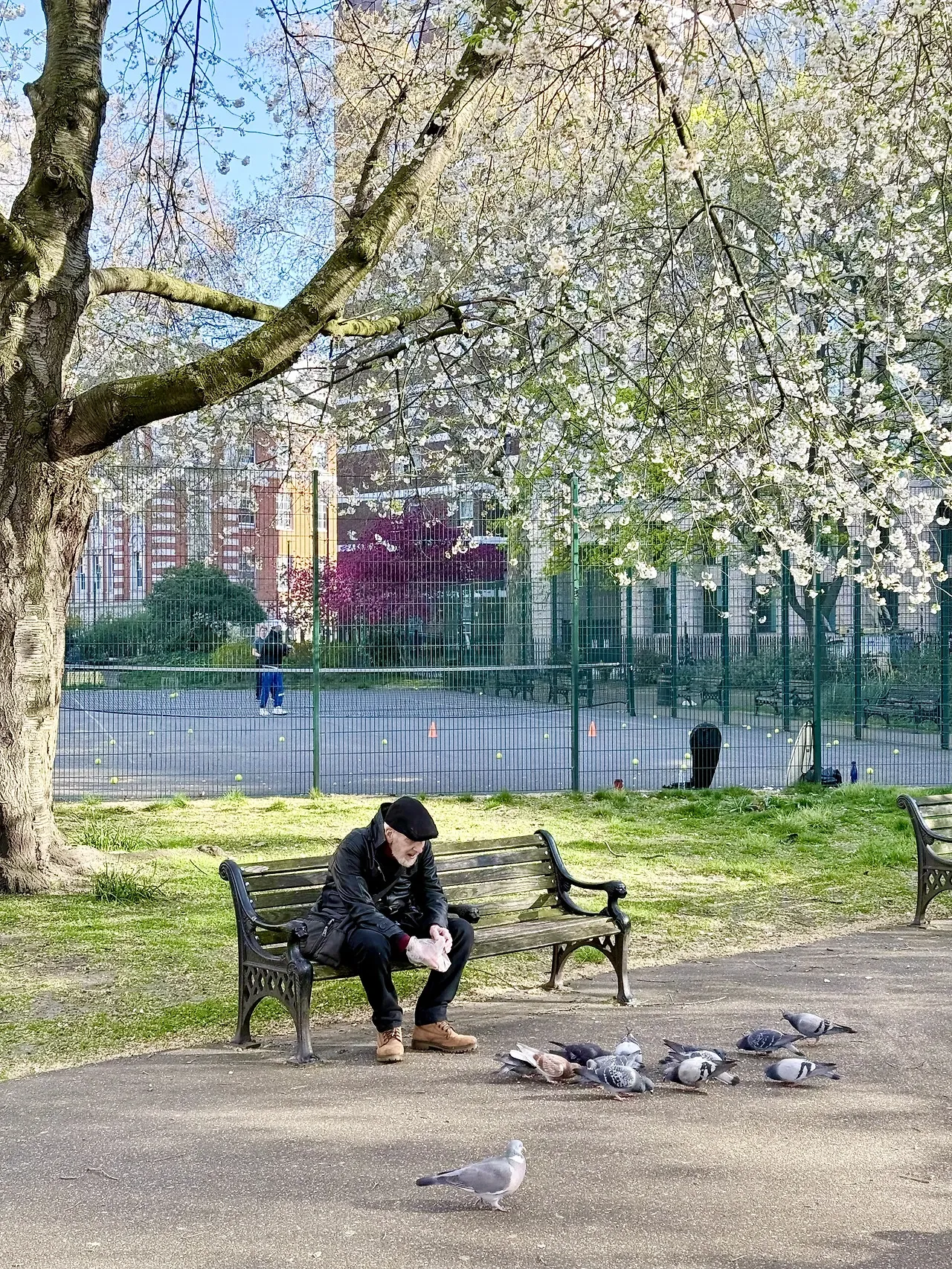
인생에는 밸런스 있는 삶이 주는 안정감이 있다. 자기 자신이 있고, 연인이 있고, 가족이 있고, 친구가 있고, 취미가 있고, 건강이 있다. 사람은 이런 여러 영역 속에서 기쁨과 의미를 나눠 가지며 살아간다. 그래서 삶이 어느 정도 건강하게 구성되어 있을 때는 어느 한 가지가 전부가 아니라, 여러 가지가 서로를 받쳐주는 구조가 자연스럽게 만들어진다. 나는 그 구조가 결국 사람을 쉽게 무너지지 않게 만든다고 생각한다.
반대로 행복을 단 하나의 대상에만 집중해 버리면 이야기가 달라진다.
어떤 사람은 사랑에, 어떤 사람은 일에, 어떤 사람은 가족에, 어떤 사람은 인정에 자신의 감정을 과도하게 걸어두기도 한다. 물론 무언가를 깊이 사랑하고 몰입하는 일 자체가 나쁜 것은 아니다. 다만 문제는, 내가 그것을 의식하든 하지 않든 실제 삶의 구조가 점점 한 가지 축에만 기대게 될 때 생긴다.
어떤 사람들은 아마 “이게 내 삶의 전부야”라고까지 생각하지는 않을 것이다. 나도 그랬다. 실제로 그렇게 선명하게 자각하는 사람은 많지 않다. 그런데 막상 삶을 자세히 들여다보면, 한 가지만 하고 있는 사람들은 생각보다 훨씬 많다.
나는 20대를 거의 통째로 일에 쏟으며 살았다. 회사에서 일을 했고, 인맥도 대부분 회사에서 생겼고, 운동도 회사 사람들과 함께했다. 겉으로 보면 일도 하고, 사람도 만나고, 몸도 챙기니 제법 균형 잡혀 보였다. 그런데 지금 돌아보면 그 모든 것이 결국 하나의 축 안에 묶여 있었다. 회사를 중심으로 반경 몇 킬로미터 안에서만 삶이 돌아가고 있었다는 걸, 그 안에 있을 때는 잘 몰랐다. 편중된 구조는 조용히 작동한다. 자각 없이도 삶의 방향성이 한 가지에 집중되어 있으면, 어느 순간부터 특정 대상에 감정적으로 과하게 의존하게 된다. 그때부터는 작은 변화도 작게 받아들이기 어려워진다.
연애도 그렇다. 연인에게 지나치게 집착하면 오히려 연애가 잘 풀리지 않는 경우가 많다. 내가 너무 빠져버린 연애가 꼭 좋은 결과로 이어지는 것도 아니다. 좋아하는 사람과 연인이 되고, 설사 결혼까지 간다고 해도 더 중요한 것은 장기적으로 건강한 관계를 만들어가는 일이다. 그런데 한 사람에게 내 정서의 대부분을 걸어버리면, 상대의 말 한마디와 감정 표현 하나에 지나치게 많은 의미를 부여하게 된다. 생각은 많아지고, 감정은 쉽게 오르락내리락한다. 그 불안은 결국 관계를 편안하게 누리기보다 더 서툴게 다루게 만든다.
일도 마찬가지다. 일에 과하게 집착하면 승진을 못 했을 때 그것이 단순히 한 번의 결과가 아니라 내 능력 전체에 대한 판정처럼 느껴진다. 팀원과 불화가 생기면 그것 역시 업무상의 문제를 넘어 내 삶 전체를 흔드는 스트레스로 번진다. 일은 원래 중요하지만, 일밖에 없을 때는 작은 균열도 지나치게 크게 느껴진다.
가족도 예외는 아니다. 가족을 소중히 여기는 것과 가족에게 정서적으로 과도하게 매여 있는 것은 다르다. 가족의 기대에 지나치게 휘둘리거나, 가족의 감정 변화가 곧 내 삶의 평온을 결정하게 되면 그 관계 역시 건강하기 어려워진다. 사랑해서 가까운 것이 아니라, 불안해서 떨어지지 못하는 상태가 될 수도 있다. 그때 관계는 따뜻한 버팀목이 아니라 예민한 긴장의 근원이 되기도 한다.
이렇게 한 가지에 감정적으로 과하게 기대게 되면, 상대의 반응 하나, 결과의 흔들림 하나, 관계의 미세한 거리감 하나가 곧 내 전체를 뒤흔드는 일처럼 느껴진다. 그러면 나는 그것을 있는 그대로 보기보다 더 집착하게 되고, 더 불안해지고, 결국 더 서툴게 다루게 된다. 집착이 언제나 대상 자체에 대한 사랑에서 오는 것은 아닐 수도 있다. 때로는 그것이 무너지면 대신 붙잡을 게 없다는 두려움에서 올 수도 있다. 그 하나 말고는 의미를 둘 곳이 없어서, 더 세게 쥐고 있어야 하는 것이다.
반대로 삶에 어느 정도 균형이 있으면 마음은 조금 다르게 움직인다. 내가 지금 가장 집중하고 있는 무언가가 잠시 흔들리더라도, 그것이 곧 모든 것을 잃는 경험으로 이어지지는 않는다. 한 부분에서 뜻대로 되지 않는 일이 생겨도, 다른 곳에서 나를 지탱해 주는 감각이 남아 있기 때문이다. 가족과의 연결감, 친구와의 편안함, 몸을 움직이며 느끼는 생기, 혼자 보내는 시간에서 오는 평온함 같은 것들이 내 안에 작은 바닥처럼 깔려 있다. 그래서 넘어져도 완전히 무너지기보다는, 다시 한번 일어설 수 있다는 감각을 준다.
또한 균형 있는 삶이 꼭 여러 가지를 많이 하는 것을 뜻하지는 않는다. 중요한 것은 서로 다른 축이 실제로 분리되어 존재하느냐는 것이다. 앞에서 말한 내 20대처럼, 겉으로는 다양하게 사는 것 같아도 그 모두가 하나의 세계 안에 묶여 있다면, 그것은 균형이라기보다 확장된 편중에 가깝다. 그래서 삶을 돌아본다는 것은 내가 무엇을 하고 있는지를 보는 것만이 아니라, 그것들이 얼마나 다른 기반 위에 서 있는지를 살펴보는 일이기도 하다.
그런데 이것을 “하나에 모든 것을 걸지 말라”는 말로 읽지는 않았으면 한다. 무언가 하나에 깊이 몰두하고, 거기에 인생을 걸어보는 것은 충분히 좋은 일이다. 어떤 시기에는 일에, 어떤 시기에는 사랑에, 어떤 시기에는 공부에 자신의 거의 전부를 쏟아야 할 때가 있고, 그런 집중이 사람을 성장시키고 무언가를 이루게 만든다. 영역들이 균등하게 배분되어야 한다는 이야기도 아니다. 그런 삶은 현실에 없고, 그것이 이상적인 모습이라고도 생각하지 않는다.
내가 말하고 싶은 것은 그보다 훨씬 좁은 지점이다. 하나의 요소가 90{61dd6028939e6e9509497ea9515dd6fa0e1cd722d4bf42155a61f48a59c57374}와 같은 극단값을 넘어서는 순간, 무언가 조정이 필요해지는 것 같다는 점이다. 60{61dd6028939e6e9509497ea9515dd6fa0e1cd722d4bf42155a61f48a59c57374}, 70{61dd6028939e6e9509497ea9515dd6fa0e1cd722d4bf42155a61f48a59c57374}의 비중으로 무언가에 몰두하고 있을 때는 나머지 영역들이 완전히 발달해 있지 않더라도 적어도 살아 숨 쉬고 있다. 그런데 특정한 극단값을 넘어서는 순간, 나머지는 이미 거의 존재하지 않는 것과 같아진다. 그때부터 삶은 그 하나에 전적으로 종속되기 시작한다.
사람이 단단해진다는 것은 아예 흔들리지 않는 상태를 뜻하지 않는다. 어느 한 부분이 흔들려도 다른 곳에서 다시 중심을 잡을 수 있는 상태에 가깝다. 그러려면 그 다른 곳이 실제로 존재해야 한다. 내 마음이 기댈 수 있는 자리를 여러 곳에 두는 것, 그것이 결국 흔들려도 돌아올 수 있는 사람을 만든다.
실제로 사랑 때문에, 일 때문에, 가족 때문에, 혹은 어떤 한 가지 때문에 무너지는 사람들을 종종 본다. 인생에는 무언가를 특출하게 잘 해내고 성공하는 목표도 분명 중요하다. 하지만 그보다 먼저 중요한 것은, 결국 그 목표를 해내기 위해서라도 삶이라는 테두리 안에서 오래 버텨낼 수 있어야 한다는 점이다. 너무 열심히 살아온 사람들이 일에서 무너지고, 사랑에서 무너지고, 결국 건강하게 살아가지 못하는 모습을 볼 때면 안타깝다.
한 그루의 나무는 아름답다. 하지만 숲이 아름다운 것은 큰 나무 하나가 서 있기 때문도, 나무가 많기 때문만도 아니다. 서로 다른 나무와 꽃들, 그리고 다양한 생명들이 함께 어우러져 있기 때문에 숲은 더 풍성하고 다채로워진다. 빛은 한 방향으로만 들지 않고, 바람은 여러 잎과 가지 사이를 지난다. 그래서 숲은 단조롭지 않고, 한층 더 건강하고 조화로운 모습으로 자라난다.
오늘은 내 생일이다. 특별하게 보내는 날은 아니지만, 이런 평온함 자체가 오히려 어떤 특별함처럼 감사하게 느껴진다. 내 인생에 많은 나무들이 심어져 있는 것은 아니지만, 이제는 이런 단순함이 주는 행복이 더 소중하게 다가온다. 나는 많은 나무를 가진 삶보다, 몇 그루의 작은 나무가 잘 자라주는 삶에서 더 큰 행복을 느끼는 사람이라는 것을 조금 늦게서야 깨달았기 때문이다.
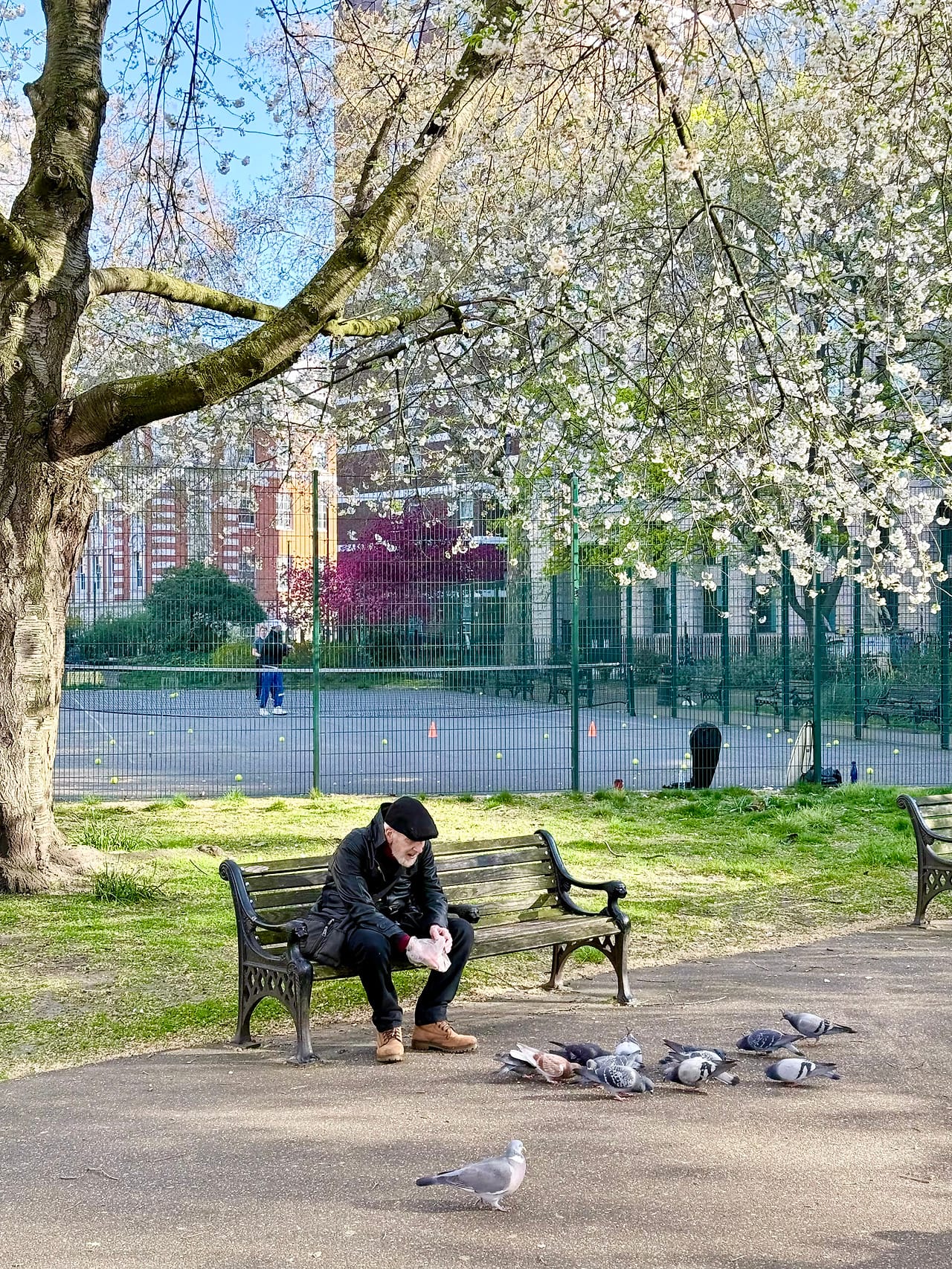
There is a steadiness that a balanced life gives. There is your own self, a partner, family, friends, a hobby, your health. People live by sharing joy and meaning across these different domains. So when a life is built in a reasonably healthy way, no single thing is everything; instead, a structure forms naturally in which many things hold one another up. I think it is that structure which, in the end, keeps a person from collapsing easily.
When you pour all of your happiness into a single object, however, the story changes.
Some stake their feelings excessively on love, some on work, some on family, some on recognition. Of course, deeply loving something and immersing yourself in it is not bad in itself. The trouble arises when, whether you are aware of it or not, the actual structure of your life comes to lean more and more on a single axis.
Most people probably do not go so far as to think, “This is my whole life.” I didn’t either. In truth, not many people are that clearly aware of it. Yet when you look closely at how someone is actually living, there are far more people doing only one thing than you would expect.
I spent almost the entirety of my twenties pouring myself into work. I worked at the company, most of my connections came from the company, and even my exercise was done with people from the company. On the surface it looked fairly balanced—I was working, meeting people, taking care of my body. But looking back now, all of it was ultimately bound within a single axis. My life was revolving only within a radius of a few kilometers centered on the office, and while I was inside it, I hardly noticed. A lopsided structure works quietly. Even without awareness, once the direction of your life is concentrated on one thing, at some point you begin to depend on a particular object too much emotionally. From then on, even a small change becomes hard to take in as something small.
It is the same with romance. When you cling too tightly to a partner, the relationship often does not go well. A romance I fall into too deeply does not necessarily lead to a good outcome, either. Even if you become a couple with someone you love and go all the way to marriage, what matters more is building a healthy relationship over the long term. But if you stake most of your emotional life on one person, you start assigning too much meaning to a single word or a single show of feeling from them. Thoughts pile up, and emotions swing easily up and down. That anxiety, in the end, makes you handle the relationship more clumsily rather than enjoy it at ease.
Work is no different. If you cling too tightly to work, then failing to get a promotion feels not like a single outcome but like a verdict on your entire ability. A falling-out with a teammate, too, spreads beyond a work problem into stress that shakes your whole life. Work is important to begin with, but when work is all you have, even a small crack feels far too large.
Family is no exception. Cherishing your family and being emotionally bound to them excessively are different things. When you are swayed too much by your family’s expectations, or when their shifting emotions come to decide the calm of your own life, that relationship, too, struggles to stay healthy. You may end up close not because you love them but because you are too anxious to pull away. At that point the relationship becomes not a warm support but a source of raw tension.
When you come to lean this heavily on one thing emotionally, a single reaction from another person, a single wobble in an outcome, a single faint distance in a relationship all feel like things that shake your entire self. Then, rather than seeing it as it is, you cling harder, grow more anxious, and in the end handle it more clumsily. Clinging does not always come from love for the object itself. Sometimes it comes from the fear that if this falls apart, there is nothing else to hold on to. Because there is nowhere else to place meaning, you have to grip it all the tighter.
When there is some balance in a life, by contrast, the heart moves a little differently. Even if whatever you are most focused on right now wavers for a while, it does not immediately lead to the experience of losing everything. Even when something does not go as you wished in one part, the sense of something holding you up remains elsewhere. A connection with family, ease with friends, the vitality felt in moving your body, the calm that comes from time spent alone—things like these lie within you like a small floor. So even when you stumble, rather than collapsing entirely, you are given the sense that you can rise once more.
A balanced life, moreover, does not necessarily mean doing many things. What matters is whether the different axes actually exist as separate things. As with my twenties earlier, even if you seem to live in varied ways on the surface, if all of it is bound within a single world, that is closer to an expanded lopsidedness than to balance. So to look back on a life is not only to see what you are doing, but also to examine how far the things you do stand on different foundations.
I would not want this read, though, as “don’t stake everything on one thing.” To immerse yourself deeply in something and to bet your life on it is well and good. There are times when, in one period, you must pour almost all of yourself into work, in another into love, in another into study, and that kind of focus is what makes a person grow and accomplish something. Nor am I saying the domains must be allotted evenly. Such a life does not exist in reality, and I do not think it is the ideal either.
What I want to say is something far narrower than that. The moment one element crosses an extreme value like 90 percent, it seems some adjustment becomes necessary. When you are immersed in something at a weight of 60 or 70 percent, the remaining domains—even if not fully developed—are at least alive and breathing. But the moment you cross a certain extreme value, the rest are already almost as good as nonexistent. From then on, the life begins to be wholly subordinate to that one thing.
For a person to grow solid does not mean a state of never wavering at all. It is closer to a state in which, even when one part shakes, you can find your center again somewhere else. For that to be possible, that somewhere else has to actually exist. Placing the spots where your heart can rest in several places—that, in the end, is what makes a person who can come back even after being shaken.
In fact, I often see people collapse because of love, because of work, because of family, or because of some one thing. In life, the goal of doing something exceptionally well and succeeding is certainly important. But what matters even before that is being able to endure for a long time within the frame of a life—if only in order to reach that goal in the end. When I see people who have lived too hard collapse in work, collapse in love, and finally fail to go on living in a healthy way, it saddens me.
A single tree is beautiful. But a forest is beautiful not because one great tree stands there, nor merely because there are many trees. Because different trees and flowers and many kinds of life are gathered together, the forest grows richer and more varied. The light does not fall from only one direction, and the wind passes between many leaves and branches. So the forest is not monotonous; it grows into a healthier, more harmonious form.
Today is my birthday. It is not a day I am spending in any special way, but this very calm feels, if anything, like a kind of specialness to be grateful for. There are not many trees planted in my life, but now the happiness this simplicity brings comes to feel more precious. It is because I realized, a little late, that I am someone who feels greater happiness in a life where a few small trees grow well than in a life of many trees.

댓글을 남기려면 이메일로 가입/로그인해주세요. Sign in with your email to leave a comment.