
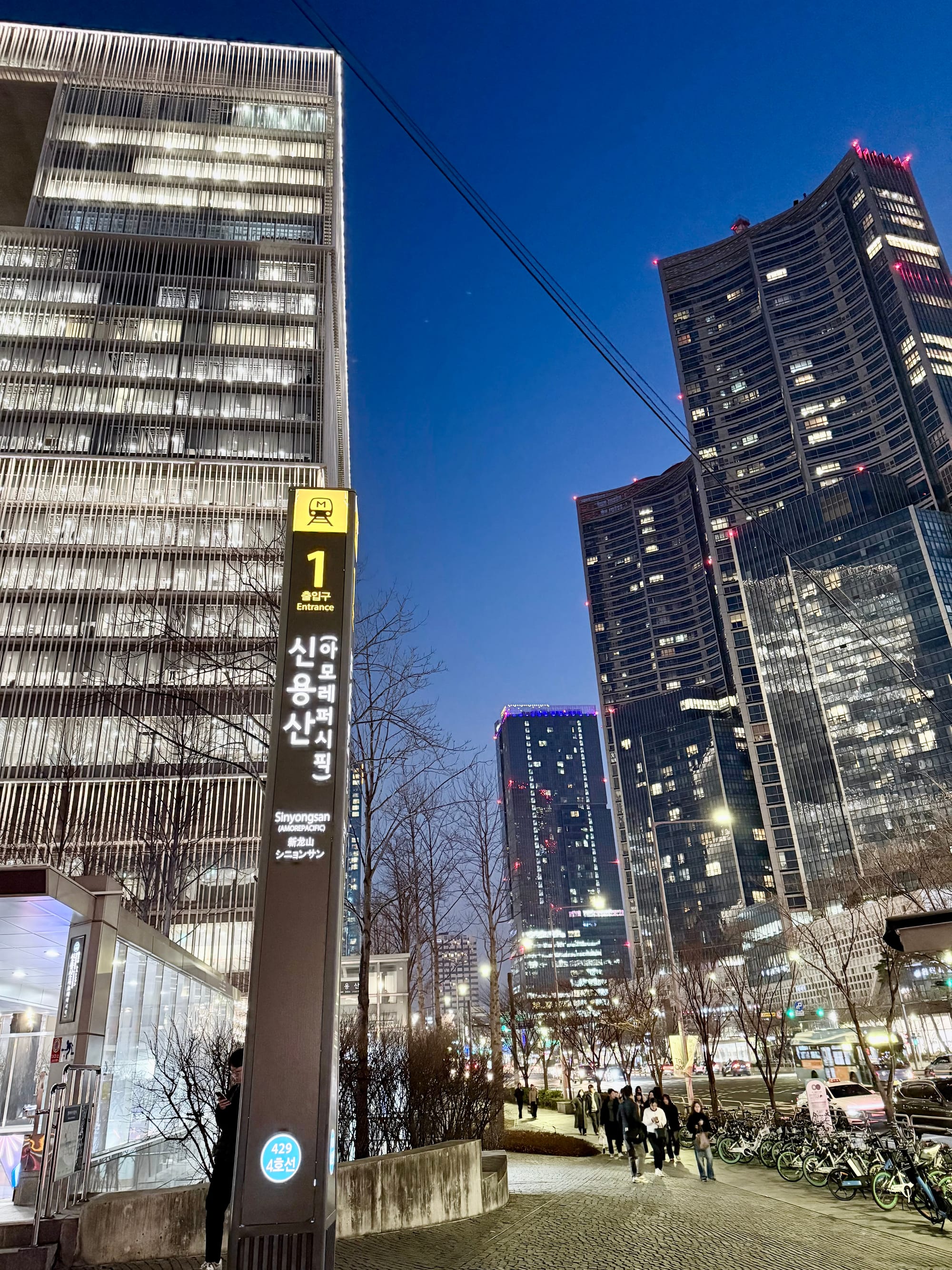
3월 초부터 잠시 한국을 방문했다. 런던에서는 따뜻한 봄날이 시작되는 시점에 한국으로 갔는데, 한국의 날씨는 생각보다 춥다. 런던의 약한 추위에 적응이 된 탓인지, 한국의 꽃샘추위도 예전보다 더 춥게만 느껴지는 것 같다.
한국에 가기 전 나는 바다를 표류하는 느낌이 강했다. 사실 이 공허함과 표류하는 느낌은 단순히 최근 몇 달 사이에 생긴 감정은 아니다. 조금 더 거슬러 올라가 보면 표류의 시작은 2021년쯤인 것 같다. 그 시작 지점을 조금 더 구체적으로 짚어보면, 생물학적 나이로는 29살 전후, 사회생활 기준으로는 직장생활 5~6년 무렵이라고 볼 수 있다.

과거의 문제와 선택
과거 글에서도 언급했지만, 20대에는 삶의 방향에 대해 깊이 고민해 본 적이 별로 없다. 주어진 것에 열심히 하고, 주어진 환경이 불만족스러우면 그 환경을 바꾸기 위해 조금 더 노력하고 스킬이나 스펙을 쌓아서 더 좋은 환경으로 이동하는 것이 1차적인 목표였기 때문이다. 현재 몸담은 조직이나 하고 있는 일이 나를 만족시키는지, 내가 성장하는 환경인지, 그 보상이 노력에 비해 적절한지 같은 표면적인 것들에 집중하던 시기였다.
그 시기에는 오히려 고민을 해소하는 것이 어렵지 않았다. 맡은 프로젝트가 내 기호에 맞으면 즐거웠고, 보상이 문제라면 임원과 협상해서 급여를 올리면 됐고, 직급에 대한 갈망이 있다면 특진을 받으면서 그 순간순간에 만족과 보상감을 모두 느낄 수 있었다. 문제는 그 시점 이후였다. 어느 순간부터는 무엇을 해야 할지에 대해 다른 결의 고민이 시작됐다. 무엇을 하면 행복해질 수 있는지, 누구를 만나야 더 행복할 수 있는지, 어느 정도의 보상이나 높이에 올라야 행복할 수 있는지에 대한 질문들이었다. 결국 그 질문에 대한 답을 몰랐고, 지금도 잘 알지 못한다.
당시 나에게 유학은 유일한 출구전략이었다. 당장 현재에 문제가 있음을 알면서도, 바로 회사를 그만두고 그 큰 질문들에 혼자 답을 낼 자신은 없었다. 그래서 나는 잠시 생각할 여유를 줄 수 있는 유학이라는 일시 중단을 선택했다.
문제와 해결방식이 잘 맞는가
후배나 친구들이 이직이나 유학에 대해 물어올 때, 나는 대부분 2단계 접근으로 질문을 되돌린다. 먼저 현재의 문제가 무엇인지 물어본다. 누군가는 자신의 문제를 명확히 인지하기도 하고, 어떤 경우는 막연히 감정적으로 싫거나 체력적으로 힘들어서인 경우도 있다.
자신이 가진 문제에 인식은 2가지 정도로 상황을 나눌 수 있다. 첫 번째는 자신에 대한 이해도가 높은 경우이다. 그 이해를 바탕으로 다음 선택을 이어갈 수 있다. 예를 들어 현재 회사에 대한 고민이라고 할 때 (1) 업무의 성질, (2) 주변 사람, (3) 보상 중 어느 하나로 명확하다면, 그것을 해결해줄 곳으로 이동하면 된다. 단, 1번에 문제가 있어 이동했을 때 2번과 3번에 새로운 문제가 생길 수도 있다. 그렇기에 자신이 진짜 챙겨야 할 가치의 우선순위를 중심으로 의사결정을 하라고 조언한다.
막연함에서 시작되는 막연한 문제인식 상황을 2번째라고 생각한다. 다만, 이 상황에서 생기는 어떠한 질문도 결국은 답을 해야만 한다. 이 경우 첫 번째인 이해도가 높은 상황에서의 선택보다 더 큰 불확실성을 감수해야 한다. 그 결정은 상방을 열어줄 수도, 더 깊은 불확실함으로 데려갈 수도 있다. 웃긴 것은, 내 인생의 대부분이 이 두 번째 경우처럼 불완전한 상황에서의 결정이었다는 점이다.
과거를 보면 나에 대한 이해도 부족했고, 다가오는 질문들에 대한 경험과 이해도 모두 부족했다. 이런 불완전한 의사결정 속에서 그 결정을 바른 결정으로 만들기 위해 노력해온 것이 지금까지 내 인생의 어떤 한 부분이라고 생각한다. 어떤 때는 생각보다 운이 좋아서 훨씬 쉽고 보상이 컸던 기억도 있고, 어떤 경우는 아무리 노력해도 더 깊은 수렁으로 빠져들었던 결정도 있었다. 다행인 것은 쉬운 결정만 하고 좋은 결과만 받지는 않았기에, 인생을 바라보는 도둑놈 심보 같은 것은 내 안에 자라나지 않았다. 감사하게도 인생은 그렇게 만만하지 않았다.

내 의사결정은 어떤 결정이었나?
그럼 내 유학을 선택하는 시점에서의 의사결정은 어떤 종류였을까. 1번과 2번 사이, 굳이 따지면 1.5번 정도가 되겠다. 회사에서 내가 느끼는 부족한 점들은 명확히 알고 있었다. 장기적으로 내가 선호하는 업무의 성질과 회사가 반드시 필요로 하는 역량이 미스매치였고, 내가 그것을 제대로 수행하지 못할 것임도 알고 있었다.
다만 그 해결방안을 찾는 과정에서, 유학이라는 선택은 문제를 잠시 “미루는” 선택에 가깝다. 바로 이직을 통해 문제를 해결한 것도 아니고, 구체적인 해결책을 가진 선택지도 아니기 때문이다. 그래서 그 고민과 문제는 지금도 여전히 내 곁에 놓여 있다.
나는 이 사실을 잘 인지하고 있기 때문에, 단순히 시간을 보내며 누군가 답을 내주기를 기다리지는 않는다. 매번 어떤 업무나 인생에 대해 불평하면서도 매일 같은 하루를 반복하고 어떤 도전도 하지 않는 경우를 주변에서 쉽게 볼 수 있다. 물론 감정적인 푸념은 그 자체로 현재 감정을 소화하는 합리적인 행위다. 하지만 정말로 변화를 원하는 상황에서 말로만, 혹은 단순한 인식만으로는 결과적으로 아무것도 바뀌지 않고, 바꿀 수도 없다.
내 구체적인 상황으로 돌아오면, 내가 가진 문제들은 단순히 커리어에 기반한 것만이 아니었다. 중장기적으로 인생 전반의 가치관 우선순위에 대한 고민을 포괄하고 있었기 때문이다. 이대로 살아가기보다 잠시 정비할 시간이 필요하다고 생각했다. 전투기도 10시간을 비행하면 그 배의 시간을 정비에 쏟는다고 한다. 그런데 나는 전장에는 여러 번 나갔으면서 정작 나 자신을 돌아보는 시간은 가져본 적이 없었다.
그래서 조금 불완전한 상황에서도 변화를 만들어보려 했다. 유학이라는 “생각할 시간”을 확보하는 대신, 커리어에서 잠시 멀어져야 했고, 인생계획도 전면 수정이 불가피했으며, 덤으로 외로움과 단절을 얻었고, 20대에 축적한 저축 대부분을 써야 했다. 그럼에도 불구하고 나는 “시간”을 얻어서 매우 기쁘다. 그 시간을 통해 적어도 내가 바꾸고 싶었던 환경에 한 번은 저항할 수 있는 기회를 벌었기 때문이다. 아직 그 시간을 다 쓴 것이 아니라 저항이 성공인지 실패인지 모르겠지만, 최소한 도전했다는 것이 나중에 위안이 되고, 미래를 받아들일 수 있는 근거가 될 것이라 생각한다.
현재 나의 생각은 어떤 지점에 있는가
삶의 균형이라는 비율로 보자면, 20대에는 일 90{61dd6028939e6e9509497ea9515dd6fa0e1cd722d4bf42155a61f48a59c57374}에 개인적인 삶 10{61dd6028939e6e9509497ea9515dd6fa0e1cd722d4bf42155a61f48a59c57374}를 추구했다. 맛있는 것을 먹고, 여행을 다니고, 연애하는 행복에서 큰 의미를 두지 않았고, 거기서 행복이 온다 해도 깊이 느끼지 못했던 것 같다.
그럼 현재 내가 생각하는 이상적인 비율은 어떻게 되는가? 솔직한 답은 “적용 불가”다. 일이 아무리 잘 풀리고 보상이 따라오더라도, 가족과 사랑에 대한 안정 없이는 일에서 오는 행복감을 느낄 수 없으며, 돈이 많아도 공허하다는 것이다. 누군가는 일만으로도, 혹은 대외적인 관계만으로도 충분히 행복할 수 있다. 다만 나의 가치 체계 안에서 일이나 경제력은 가족이나 사랑 위에 올라가는 토핑에 가깝다고 느껴진다.
물론 살아가면서 무언가를 선택해야 하는 상충되는 상황을 마주할 수도, 그렇지 않을 수도 있다. 커리어든 사랑이든 모두 잡을 수 있다면 위와 같은 고민은 필요 없다. 다만 내가 바라보는 세상은 수많은 갈림길을 보여준다. 어떤 문제가 올지, 누구와 그 문제를 풀지 알 수 없지만, 내가 할 수 있는 유일한 방법은 가치 체계를 마음속에 품고 가는 것이다. 어떤 문제를 마주했을 때 지체 없이 선택하고, 적어도 하나는 포기하되 하나는 제때 살릴 수 있도록 말이다.
그래서 내 고민들은 조금 더 구체적이고, 어디까지 포기할 수 있는지를 중심으로 깊어진다. 때로는 이런 고민이 과도한 스트레스가 되기도 하는데, 무언가를 내려놓는 것이 포기가 아니라 다른 가치를 위한 선택이라고 생각이 들면 그 선택 자체에서 오는 스트레스는 크지 않다. 문제는 이 가치 체계가 정립되기까지 너무 많은 실패와 고민이 있었다는 점인데, 이는 내가 그리 현명하거나 지혜로운 사람이 아니었음을 보여준다.
결론적으로, 현재는 내게 주어진 삶 안에서 미래에 내가 즐길 수 있는 일을 할 수 있도록 커리어 준비에 최선을 다한다. 그리고 미래에 생길 어떤 가치 충돌에 대해서는 조금 덤덤하게 우선순위를 부여할 뿐이다. 모든 것이 우호적인 상황일 수도 있지만, 그렇지 않은 상황에서도 내가 믿는 선택을 지켜냈다는 “선택”과 “책임감”을 끝까지 지켜내고 싶다.
주변에서 배우는 삶의 자세
이번 한국 방문에서 다양한 사람들을 만났다. 몇 가지 대화 안에서 내가 느꼈던 감정들을 공유해보고자 한다.
어떤 대표님의 이야기
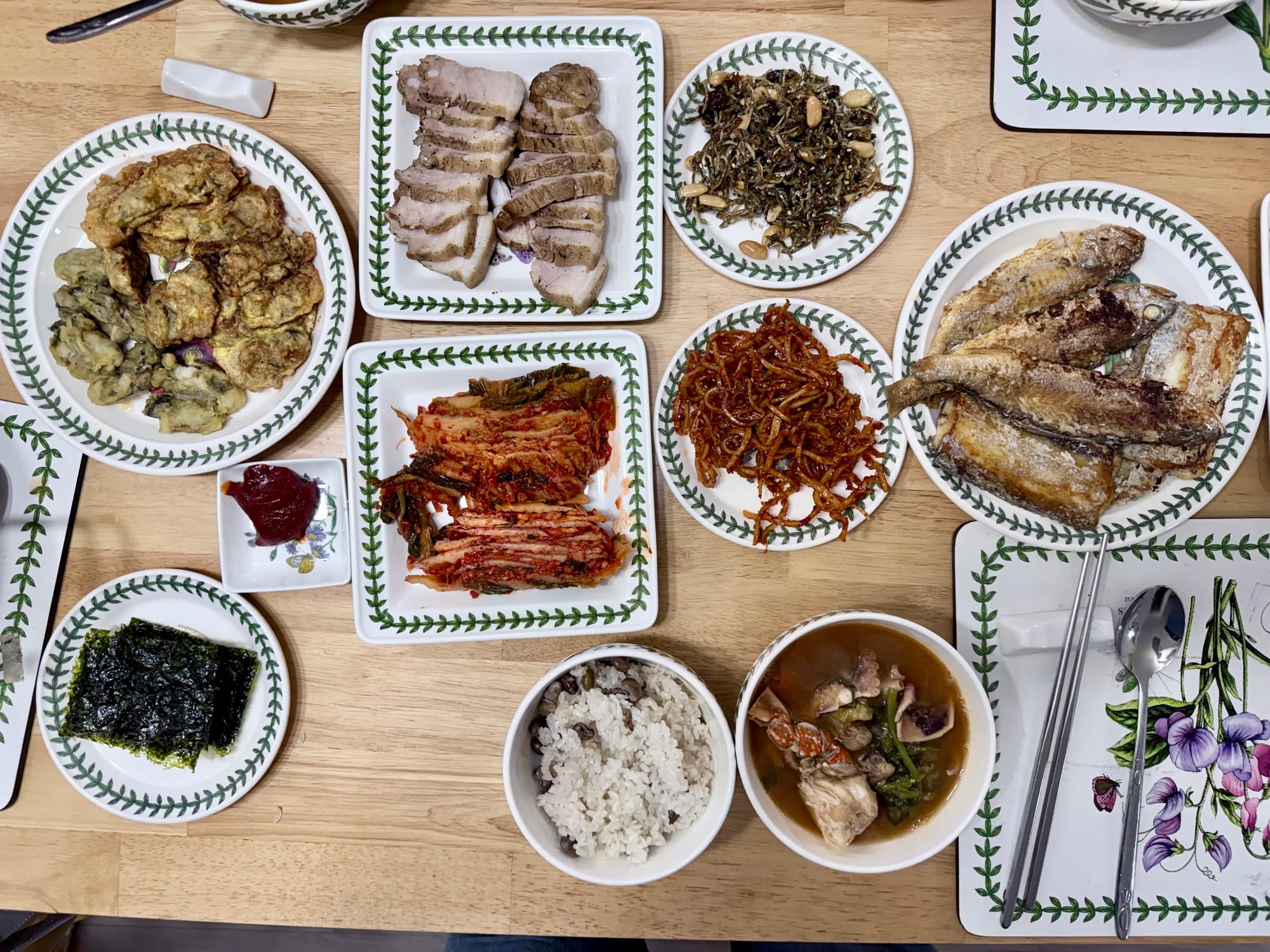
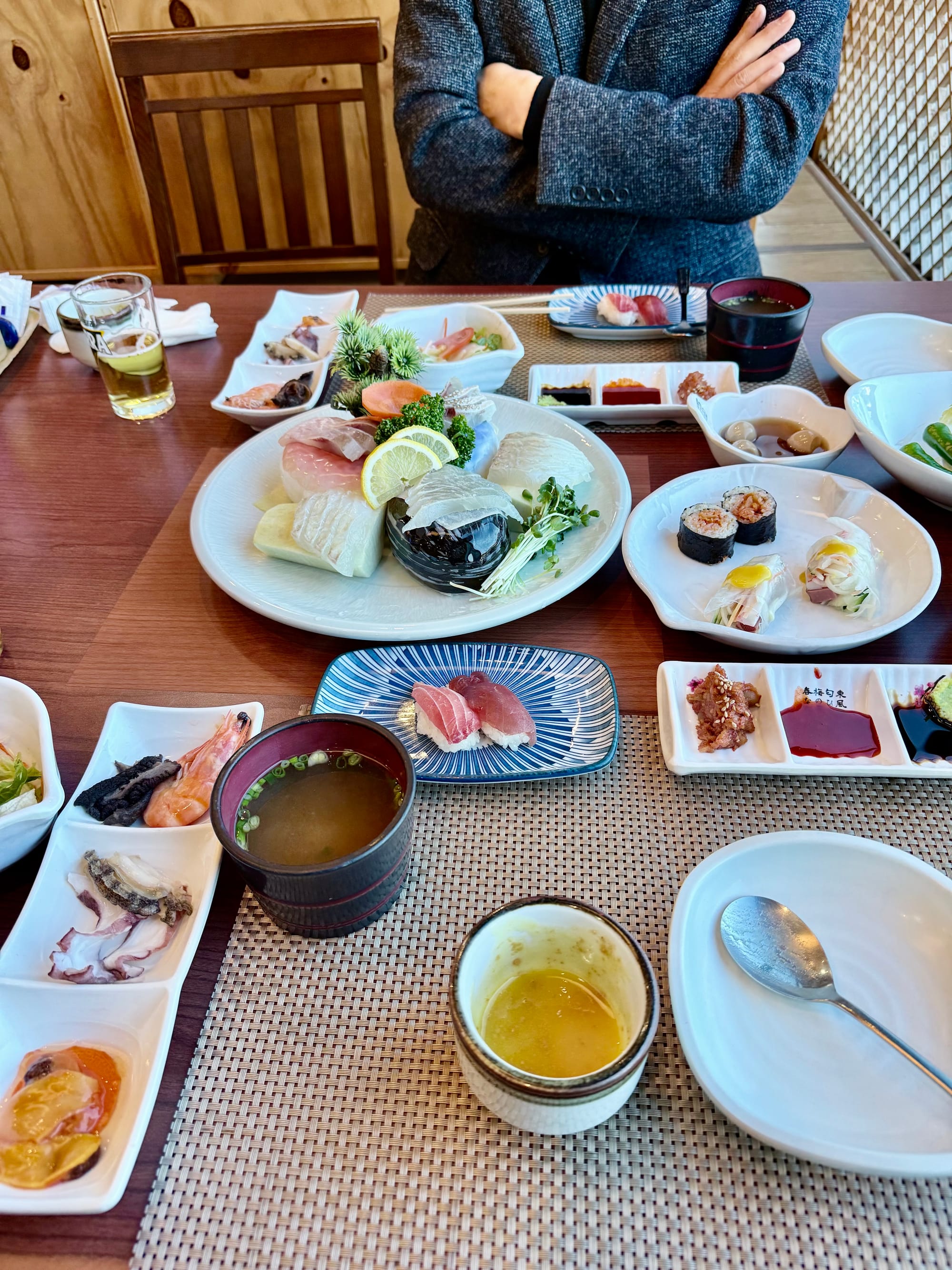
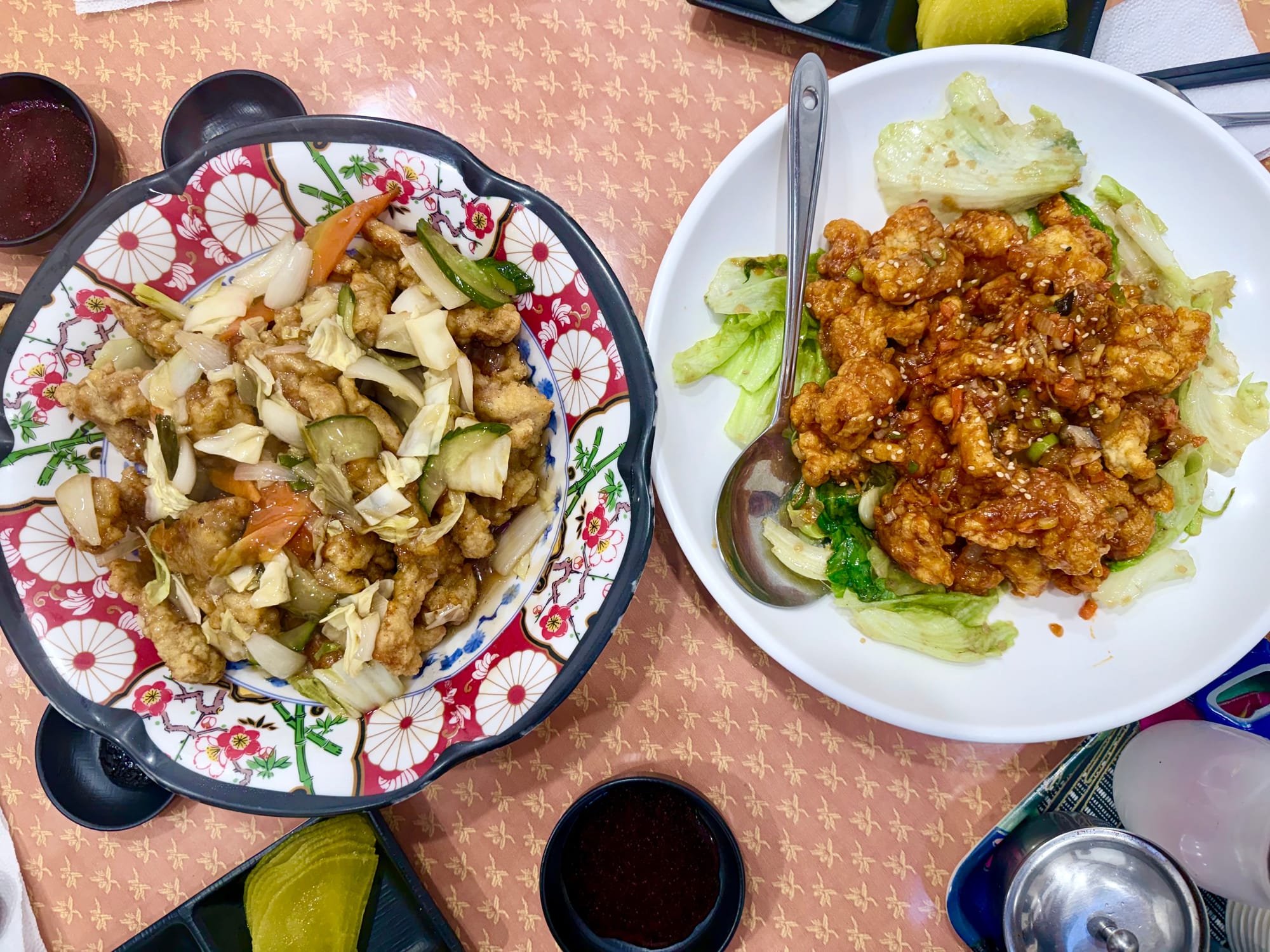
한국에 도착하자마자 며칠간 잠을 잘 수 없었다. 생활 패턴이 너무 규칙적인 탓인지 시차 적응에 유독 큰 고통을 받는 편이다. 3~4일 동안 하루에 2~3시간밖에 자지 못했고, 그 외에는 내내 피곤한 상태로 하루를 보내야 했다. 이번에는 도착하자마자 거의 바로 부산으로 향했다. 부산에서 친한 대표님과 저녁 식사를 했는데, 나보다 30살은 많으신 대표님과의 식사는 언제나 많은 가르침을 준다. 어떤 특정 목적을 가진 대화는 아니지만, 그 대화 안에서 편안함을 느끼고, 어떤 자세로 삶을 살아가야 하는지 다시 돌아보게 된다.
이번 대화에서는 대표님 아버지(회장님)에 대한 이야기가 많이 나왔다. 회장님은 1930년대 생으로, 지금과는 아주 다른 시대를 살아오셨다. 한국전쟁 후 대학에 입학하셨고 선박 기관사로 어린 시절을 보내셨다. 그러다 40대 무렵 30명과 함께 첫 회사를 창업했다고 한다. 다만 공동 창업이다 보니 성장에 한계가 있었고, 당시 친분이 있던 일본 엔지니어의 조언으로 자신이 중심이 되는 회사를 다시 창업하셨다고 한다. 그 나이가 50 무렵이었고, 당시 경제 사정도 넉넉하지 않은 상황에서의 결정이었다.
이 이야기에서 내가 먼저 느낀 것은 스스로에 대한 반성이었다. 아직 충분히 젊은 나이임에도 도전이나 변화를 너무 틀 안에서 생각하고 있는 건 아닌지 돌아보게 됐다. 무엇을 시작해도 새롭게 시작할 수 있는 나이인데, 생각보다 과거의 선택에 얽매여서 새로운 것을 시도하려는 열린 마음이 부족했던 건 아닌지 반문하게 되었다. 회장님이 창업을 선택하던 그 아무것도 보장받지 못하던 시절에 비하면, 내 앞에 놓인 선택지들은 좋은 선택과 더 좋은 선택 사이의 고민에 불과하기 때문이다.
대표님과 나눈 또 한 가지 이야기는 경영 스타일에 대한 것이었다. 회사 안에 “미래를 생각하는 방”이라는 공간이 있다고 한다. 회장님은 늦은 나이에도 항상 그 방에서 회사의 미래를 고민하셨다고 한다. 거의 80세가 될 때까지 진지하게 임하셨다는 것이다. 버핏과 멍거가 종종 강조하는 “평생 학습”의 중요성은, 내가 아는 성공하는 사람들 대부분에게서 발견할 수 있는 공통점이라고 생각한다. 당장 똑똑한 사람보다, 배움을 멈추지 않고 꾸준히 낮은 자세로 임할 수 있는 사람이야말로 결국 성공할 수 있다고 믿기 때문이다.
대표님의 경영 스타일에 대해서도 물어봤다. 그 답은 생각보다 흥미로웠다. 대표님이 묘사한 리더십은 “내려놓는 리더십”이었다. 자신의 의견을 강하게 밀어붙이는 것이 아니라, 직원들과 임원들이 어떤 생각을 하는지 먼저 들어보고, 그 안에서 자신의 의견을 줄임으로써 의사결정을 한다는 것이다. 오히려 자신의 목소리를 낮출 때 더 새로운 것이 보이고, 의사결정이 어렵지 않았다고 하셨다.
신기한 것은, 이런 태도를 집에서도 유지하려 한다는 점이었다. 완벽하게 이상적인 모습은 아닐 수 있다고 전제하시면서도, 집에서도 가족들이 자신만큼 행복한지, 자신의 행복을 위해 가족들이 희생하고 있는 건 아닌지 늘 돌아본다고 하셨다. 내가 아는 대부분의 대표님들은 경주마처럼 앞만 보고 달리며 주변의 챙김을 받는 분들이 많은데, 대표님의 이런 섬세함은 가족들도 충분히 느끼고 있을 것이라는 생각이 강하게 들었다. 그리고 나에게도 많은 질문을 주었다. 나는 과연 어떤 삶을 살고 있는가?
주변 친구들 이야기
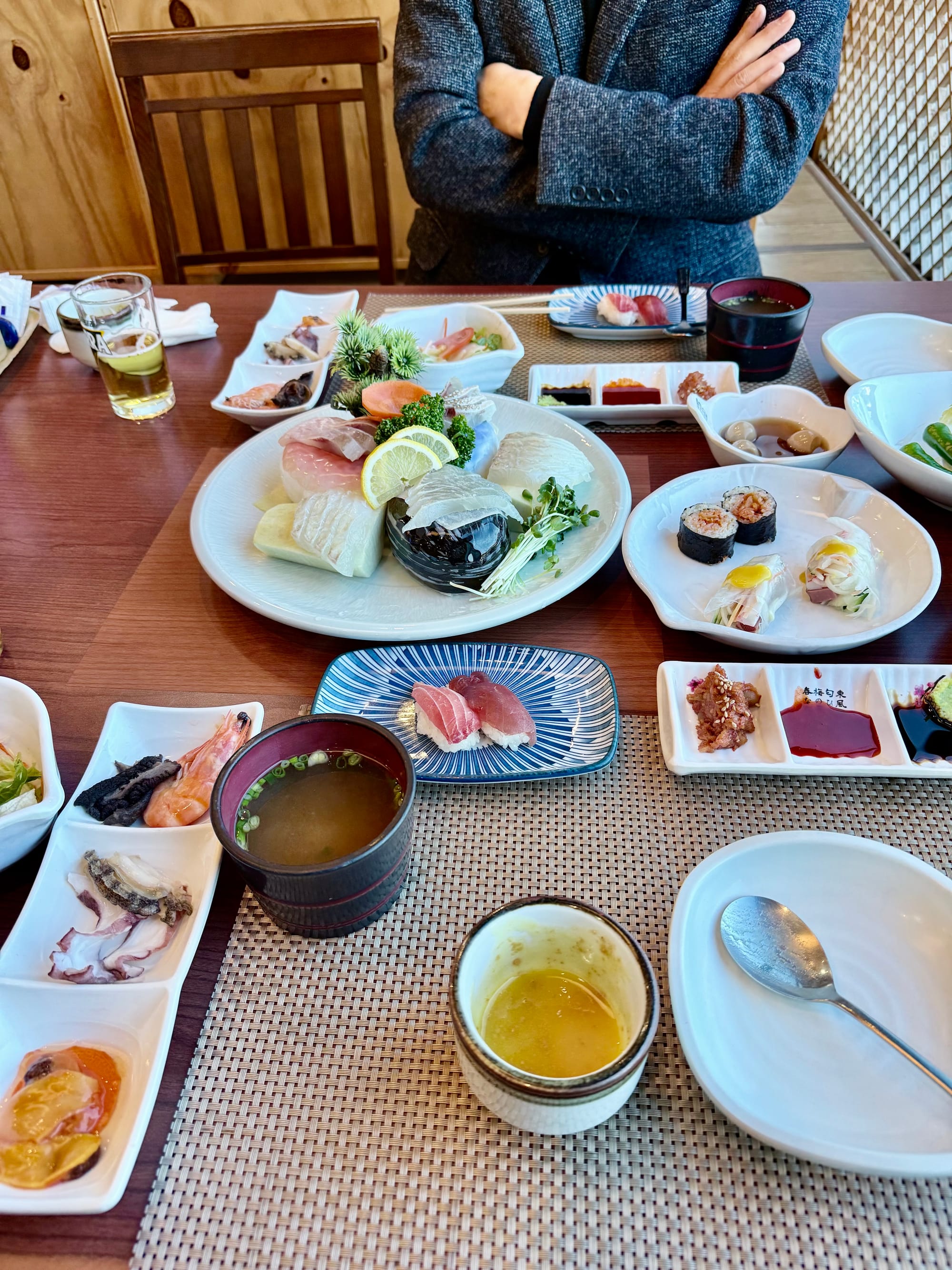
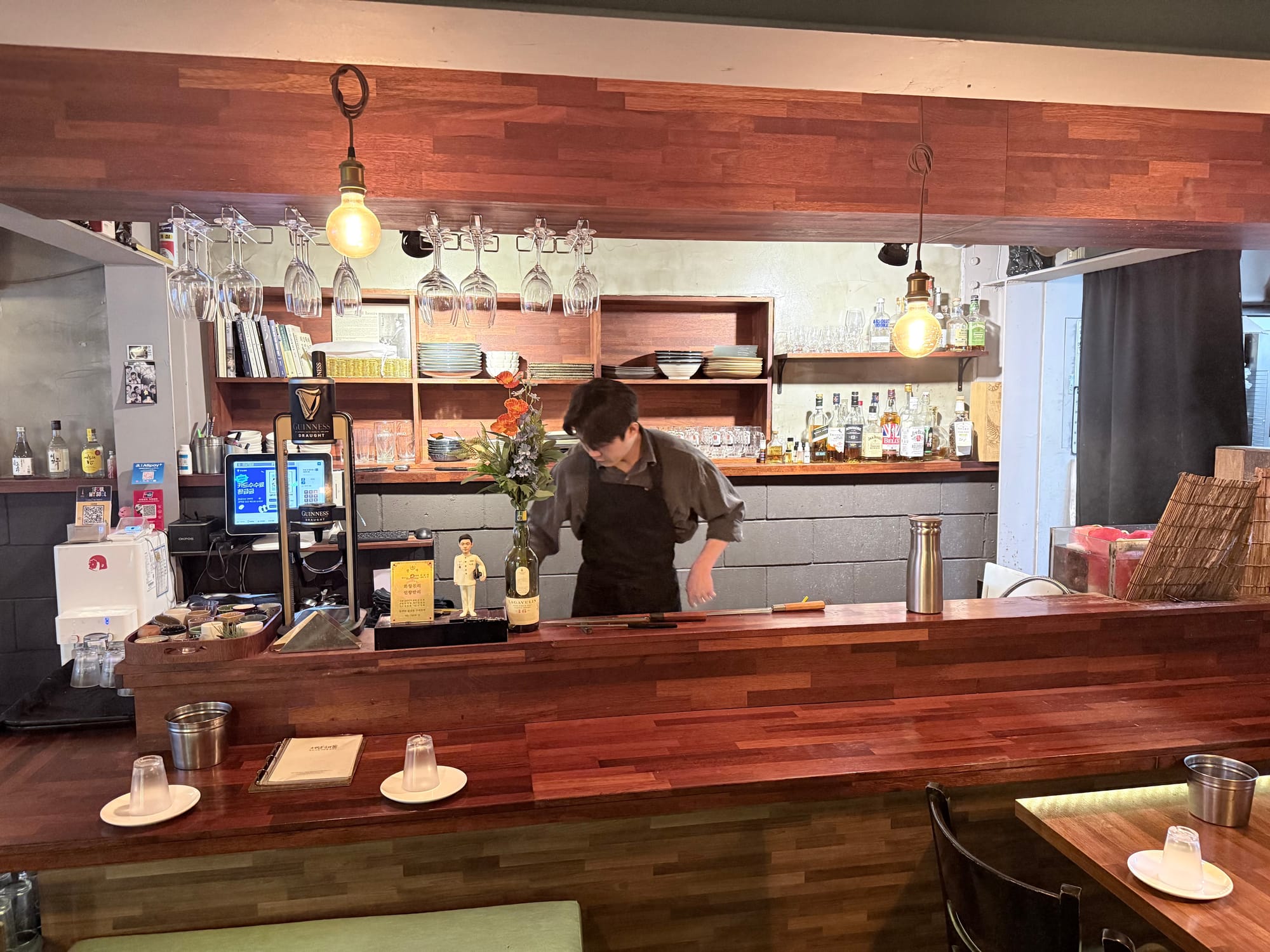
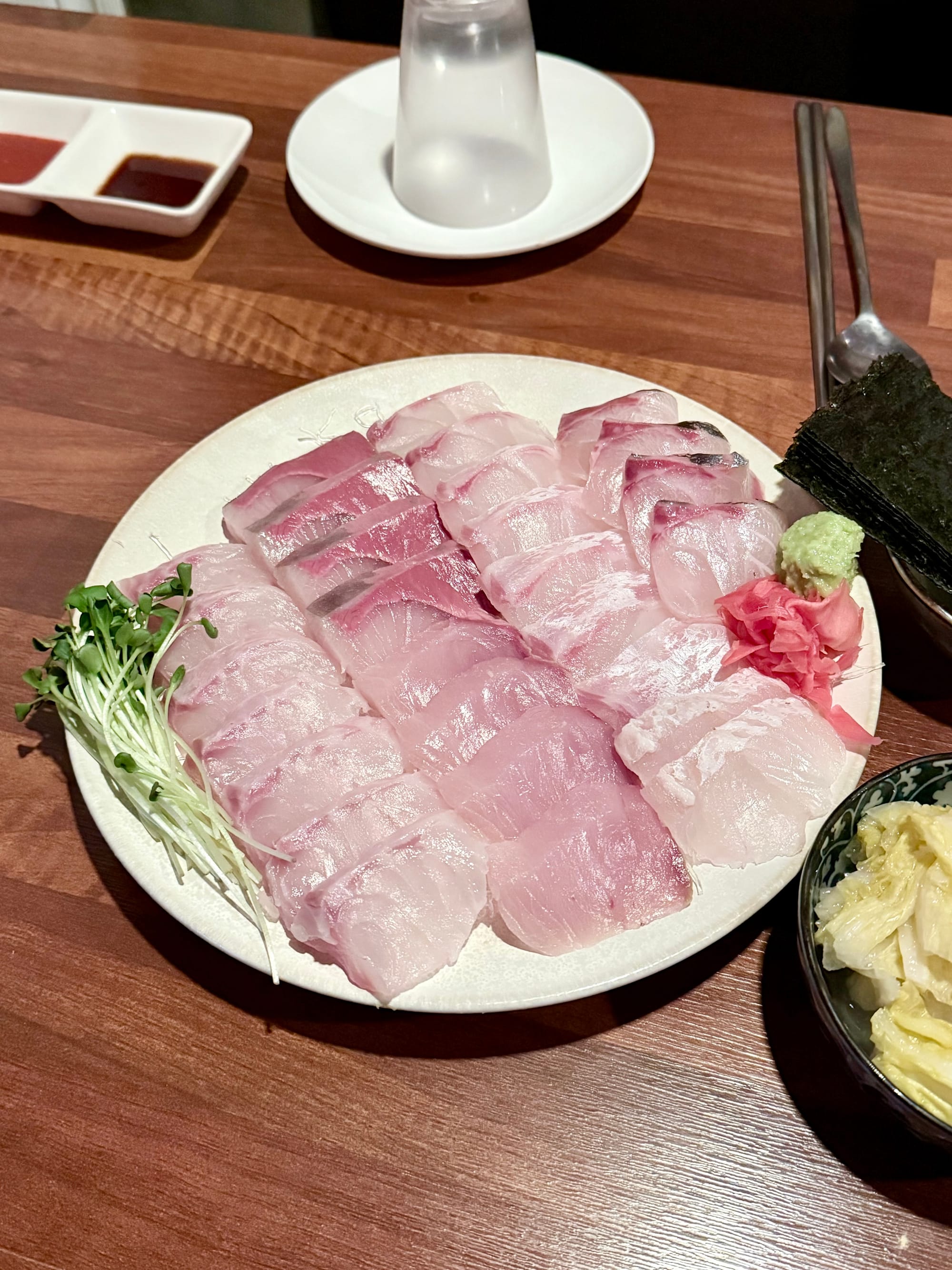
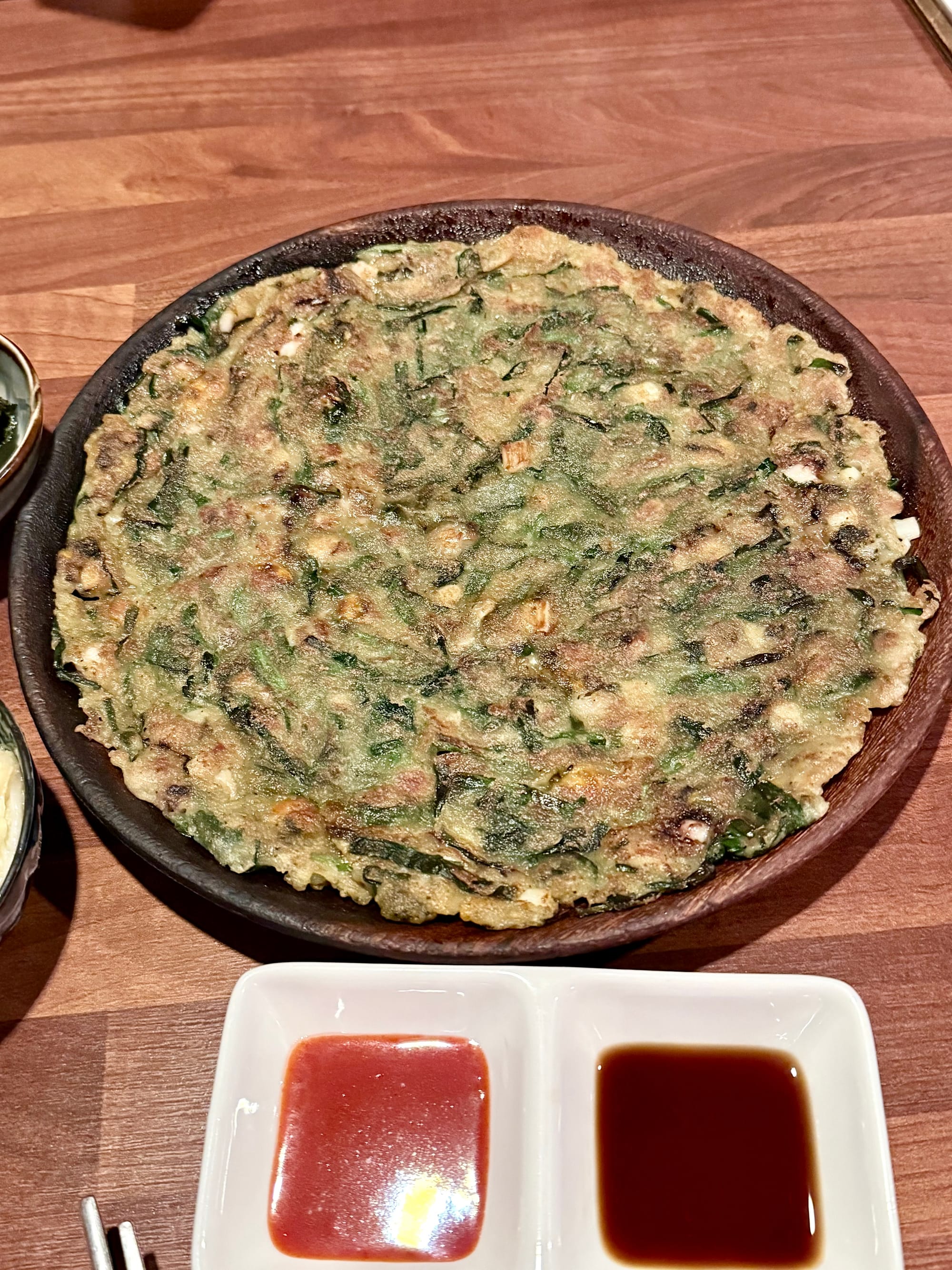
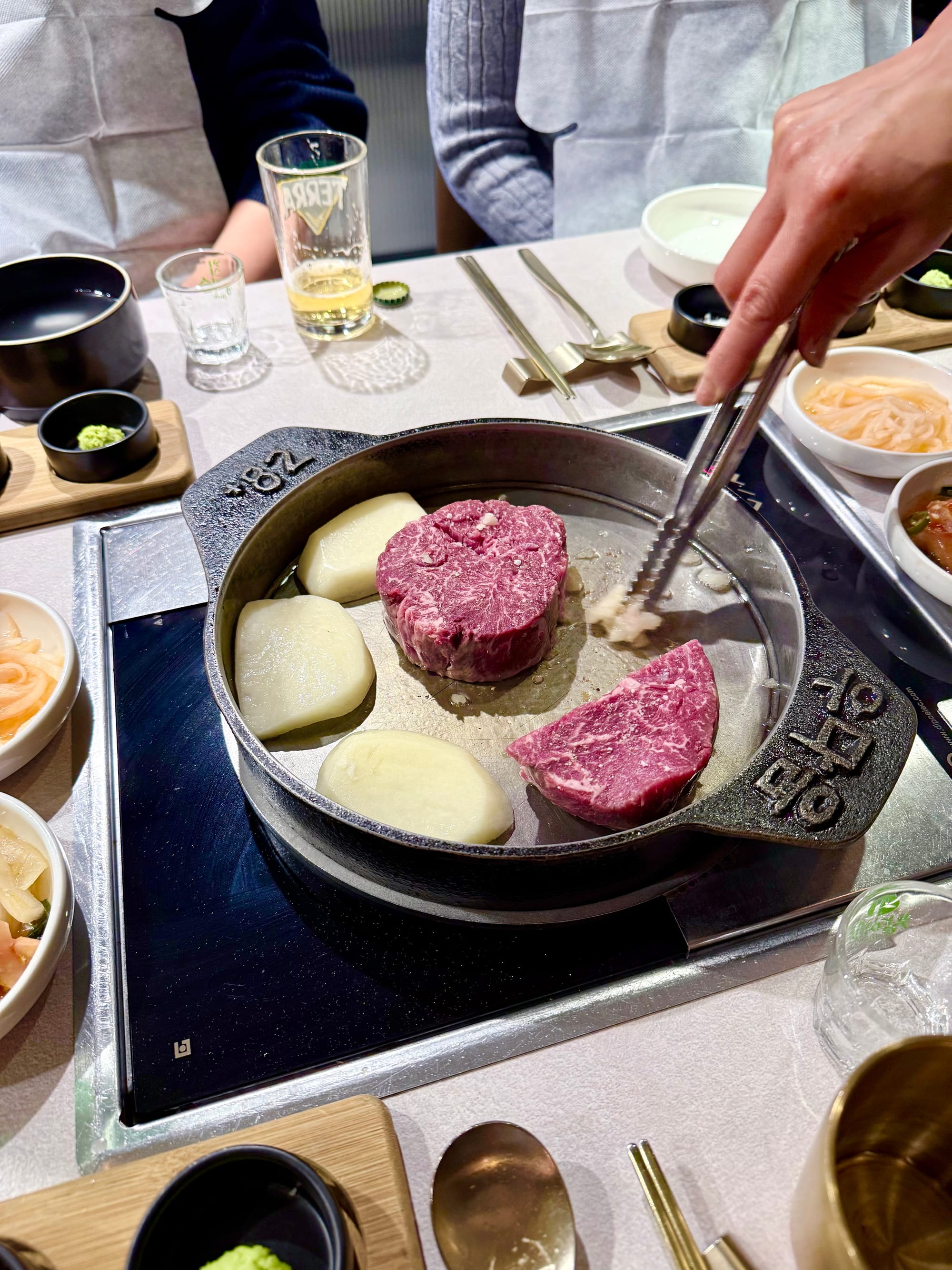
내 친구들은 무던한 사람들이 많다. 공대를 졸업하고 20대에 결혼을 해서 벌써 아이들이 4~5살이 됐다. 한국에서 결혼 시기가 많이 늦어지는 추세와 비교하면, 내 친구들은 꽤 이른 편이다. 친구들과 만나면 평온하다. 모이면 대단히 술을 마시거나 비싼 음식을 먹는 것도 아니고, 그저 맥주나 콜라를 마시며 치킨이나 회 같은 걸 먹으면서 함께하는 시간을 보낸다. 아이가 어떻게 자라고 있는지, 아내와 관계는 어떤지, 여자친구와 연애는 어떤지 같은 평온한 이야기들이다.
친구들과 대화하다 보면 느끼는 공통점이 있다. 내가 오랜 시간 깨달아온 어떤 타협과 포기의 가치를 이미 몸으로 체득하고 있다는 점이다. 목표 자체가 크지 않고 순한 사람들이기도 하지만, 다른 말로 하면 다른 사람과 함께 살아가는 데 있어 타협하고 순응하는 평온함을 가지고 있다. 그 이야기들을 들으면서 나 스스로를 돌아보게 되고, “조금 더 내려두어도 별거 없다”는 생각이 든다. 그래서 나는 이런 편안한 친구들이 좋다.
공대 친구들과 조금 다르게, 금융권 친구들은 양상이 다르다. 조금 더 치열하게 20대를 살았고 일에 몰입하느라 연애나 다른 가치에 신경 쓰지 못했던 경우가 많다. 하지만 나이가 들어가면서, 일은 여전히 열심히 하더라도 그 중심의 가치에는 분명한 변화가 생긴다. 조금 더 여유로운 환경으로 옮기는 경우도 있고, 바쁘더라도 스스로의 가치 체계에서 일을 최우선에 두지 않는 경우도 있다. 그렇게 일에 쏟던 무게가 스스로, 연애, 결혼, 가족 등으로 조금씩 이동하는 모습이 보인다. 오랫동안 딩크를 선언했던 친구들도 아이를 낳고 있고, 가족과 더 많은 시간을 보내기 위해 자신의 가치 비중을 조금씩 조율한다.
짧은 꽃동네 방문
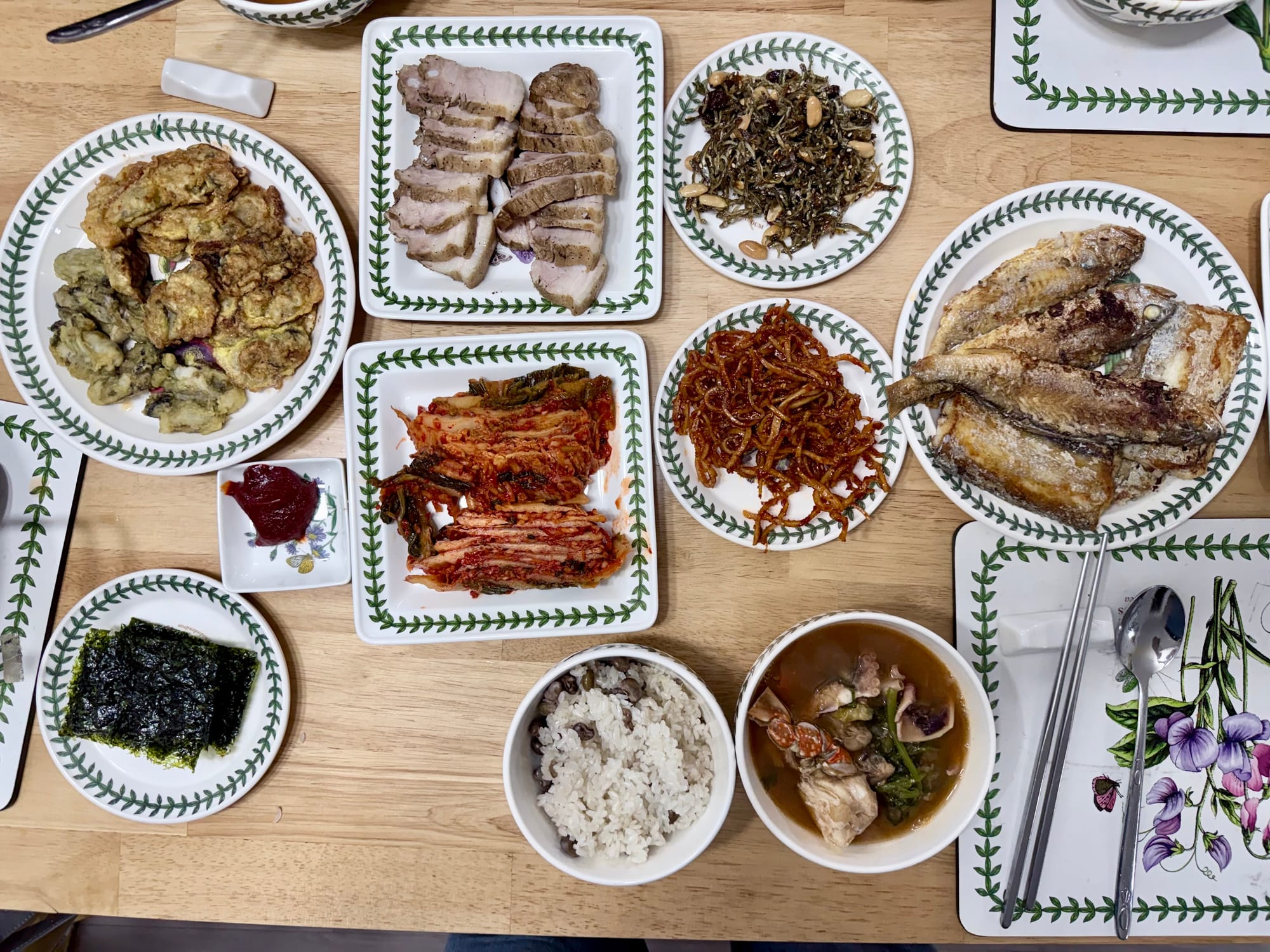
작년에 이어 이번에도 짧게 시간을 내어 꽃동네 천사의 집을 다녀왔다. 아이가 잘 지내는 것을 보면 기분이 좋다. 무엇보다 밝게 학교를 다니고 친구들과 잘 지내는 모습을 보는 것만으로도 또 다른 감사함을 느낀다. 물론 중학생 아이와 저녁을 먹고 카페에 가면, 생각보다 산만함과 10초에 한 번씩 바뀌는 대화 주제는 감수해야 한다. 나중에 내 아이를 키울 때 다시 한번 느끼겠지만, 낮은 기대치(Low expectation)는 연인이든 아이를 키울 때든 가장 중요한 첫 번째 조건인 것 같다.
이번에는 아이와 일종의 성적 약속을 했다. 자기가 해오던 평균 대비 일정 수준 이상 잘 보면, 고등학교 가기 전에 런던이나 일본으로 함께 여행을 가는 것이다. 결과가 어떨지 모르지만, 아이에게 설렘을 하나 더 준 것 같아서 기분이 좋다. 사실 아이가 어떤 점수를 받아도 함께 여행할 마음은 충분하지만, 목표와 설렘을 부여함으로써 아이가 조금 더 재미있게 살아가는 모습을 보는 것만으로도 충분하다. 이 내기의 결과는 연말에 다시 한번 업데이트하겠다.
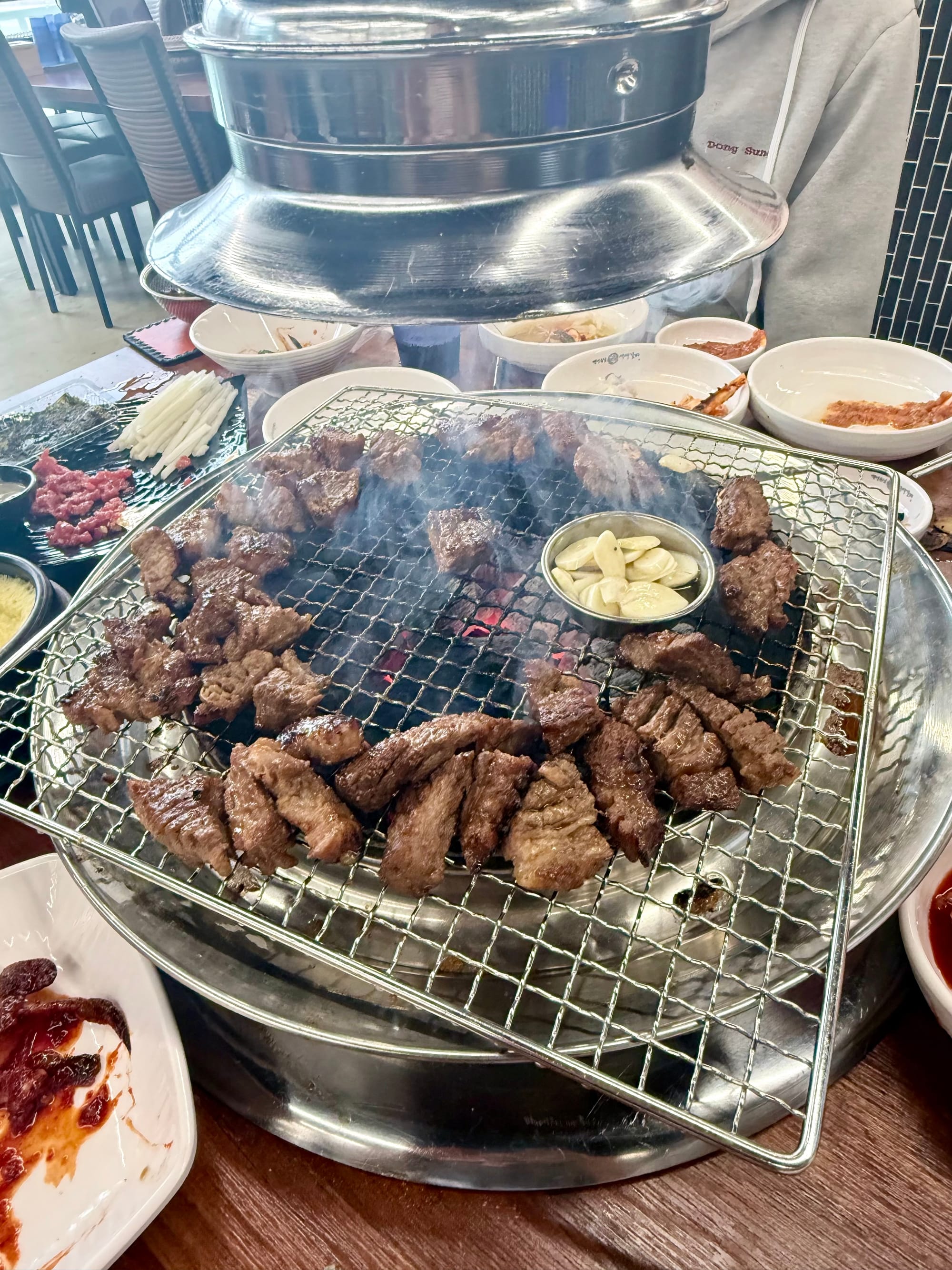
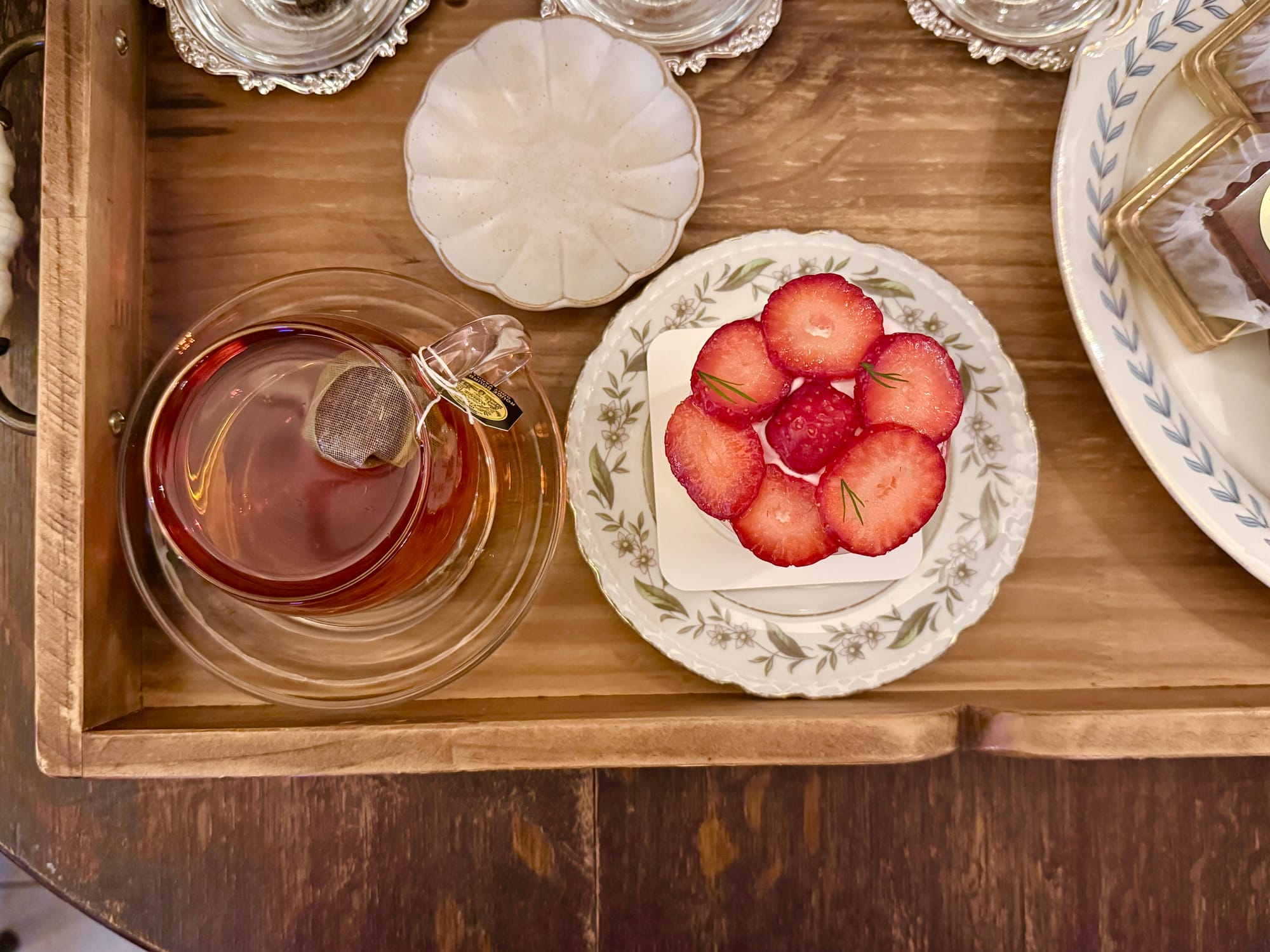
사람에게 배우는 것
성숙이란 무엇일까? 내가 생각하는 성숙은, 이유도 모른 채 가지고 있던 모난 나만의 돌덩이를 스스로 깎아서 어떤 형태로든 만들어가는 데 있다고 생각한다. 나는 다른 사람과 대화하면서 그들의 가치를 이해하고 배운다. 그리고 다른 사람들이 선택하는 가치 속에서 내가 바꿔야겠다고 느끼는 것들을 스스로 조정하고 변화하려 노력한다. 그래서 혼자 발전하는 시간도 필요하지만, 사람을 만나 내가 가진 생각들을 돌아보고, 간접적으로 배우고 공감하는 것 역시 반드시 필요하다. 사람에게서 배우고 사람에게서 행복을 느끼는 것이야말로 인간의 본성이라고 생각하기 때문이다.
사람을 만날 때마다 나는 항상 감사하다. 주변에 좋은 사람들이 있어 모난 나를 돌아볼 수 있고, 그 안에서 스스로를 다듬을 수 있는 가르침을 얻기 때문이다. 그리고 항상 나를 사랑해주는 가족들이 있어 따뜻하다. 앞에서는 적절한 거리감을 유지하며 부담을 주지 않으면서도, 깊은 곳에서 나를 생각해주고 사랑해주는 가족이 있다는 것. 그 무조건적인 사랑 앞에서 나는 늘 반성하게 된다.
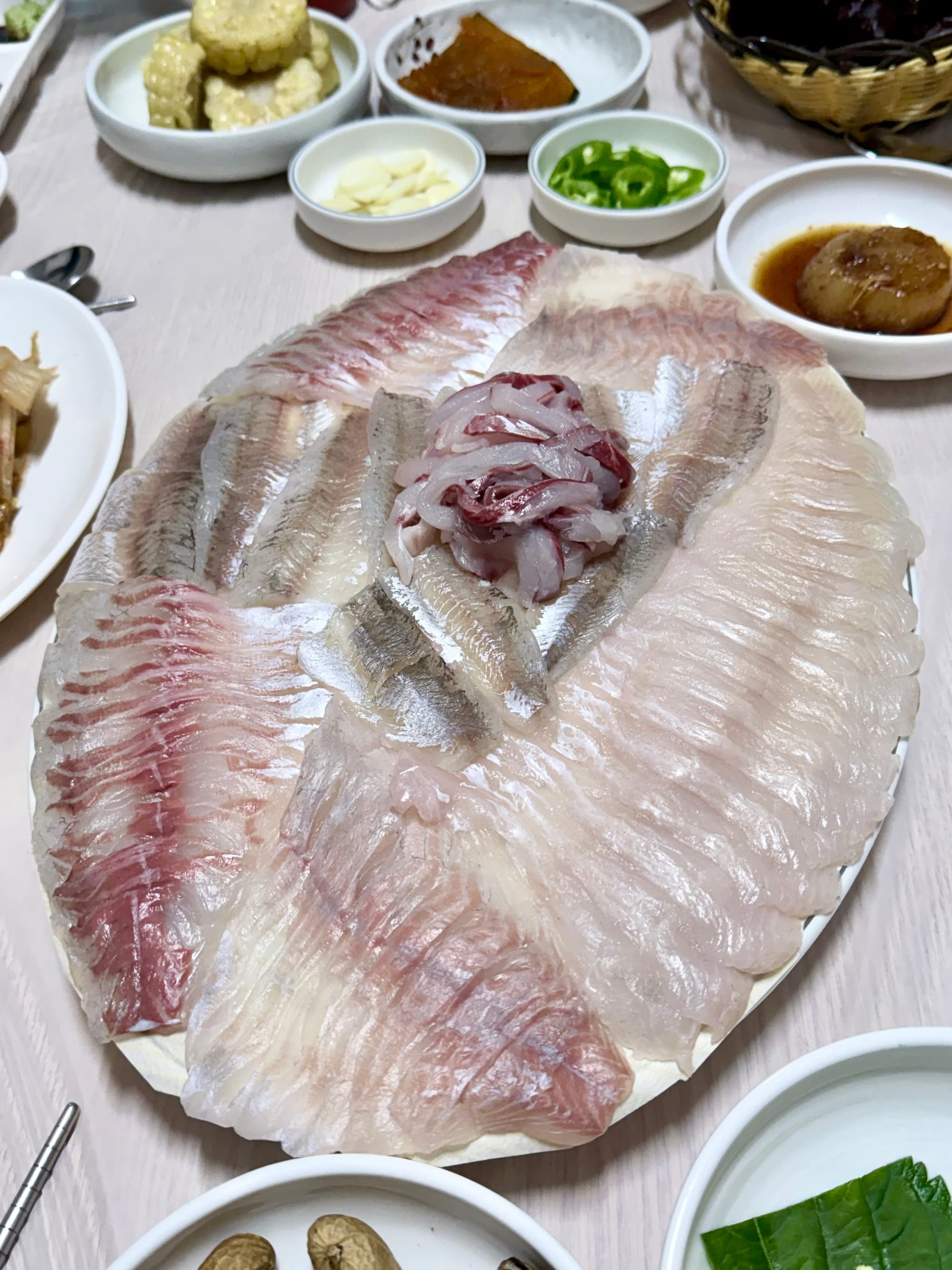
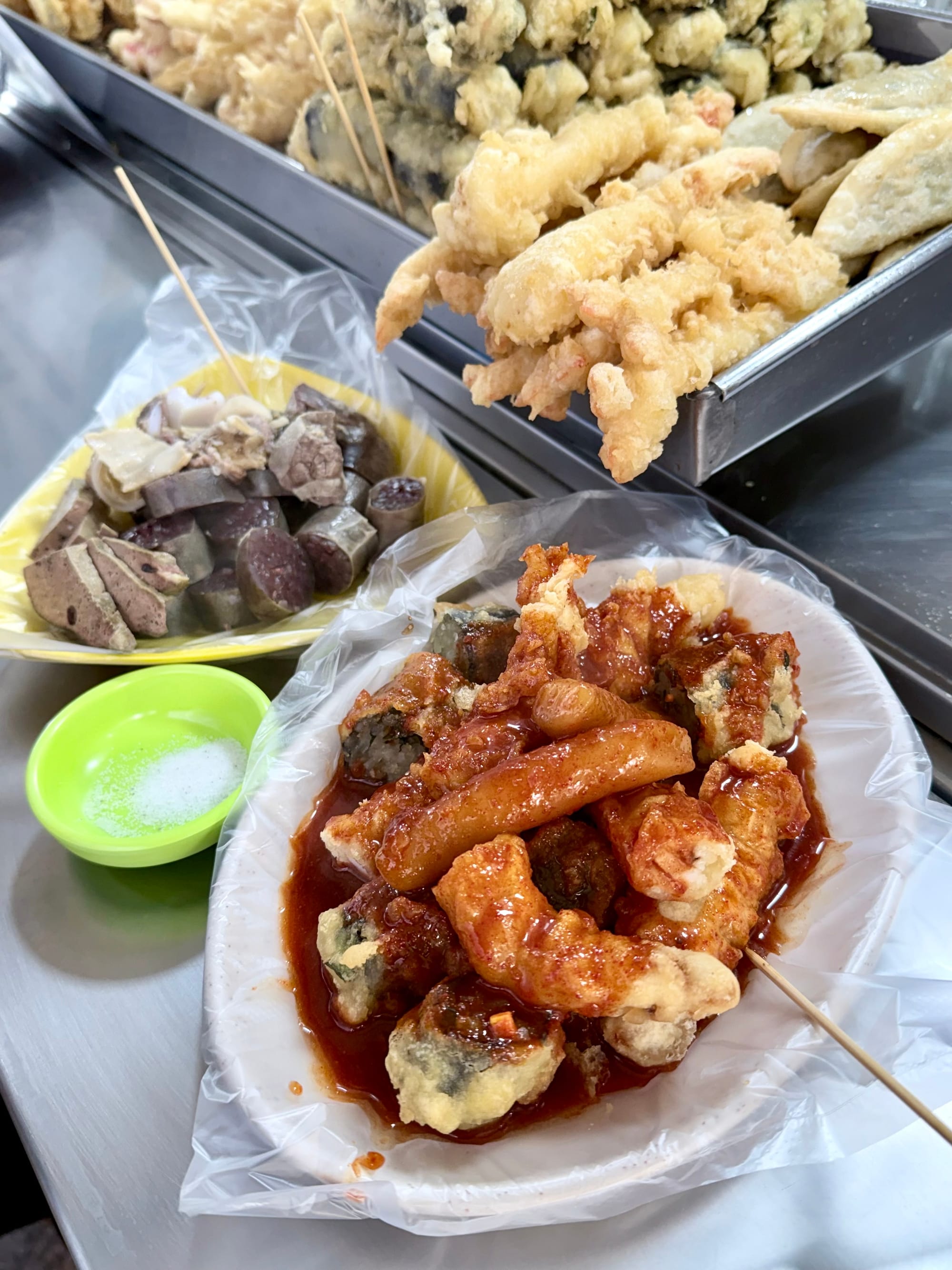
정리하며 …
무엇이 두려워서 고민하고, 무엇을 더 얻으려는지 돌아보는 시간이었다. 두려움 없이 사랑하고, 모든 것을 잃어도 다시 일어날 수 있는데 무엇이 걱정인지. 완벽하고 싶은 욕심 앞에서 오히려 나 자신만 힘들어지고 있는 것 같다. 완벽함을 추구하지만 완벽할 수 없는 것이 인간의 본연의 모습인데, 정작 나는 무엇을 위해 불완전함 앞에서 불안해하는지를 고민한 시간이었다.
조금 더 과감하게 도전하고, 후회 없이 내 모든 것을 걸어보는 것. 그게 남은 유학 기간 동안 내가 해야 할 일이라고 다시 한번 되새겼다. 어쩌면 이 마음가짐은 유학이라는 시간에만 해당되는 것이 아닐지도 모른다는 생각도 든다.
그리고, 언제나 생각이 드는 것은 부모님의 사랑이다. 새벽같이 일어나서 언제나 나에게 최선의 사랑을 보여주는 부모의 사랑을 보면서 요즘 들어서 느끼는 것은 이런 사랑이 당연하지 않고 과분했음을 느낀다. 과연 나는 내 자녀에게 이런 사랑을 꾸준히 보여줄 수 있는지에 대해서 반문하게 된다. 집에 오면 이런 따뜻함을 다시 한번 느끼고 나를 바라보는 가족들을 위해서 내가 더 스스로 행복해져야겠다는 생각을 다짐한다.
I went back to Korea for a short visit at the start of March. I left London just as warm spring days were beginning, but the weather in Korea turned out to be colder than I expected. Perhaps because I had grown used to London’s mild chill, even Korea’s late-spring cold snap felt sharper to me than it used to.
Before going to Korea, I had a strong sense of drifting at sea. In truth, this emptiness and feeling of being adrift is not something that arose only in the past few months. If I trace it back a little further, the drifting seems to have begun around 2021. To pin down that starting point more precisely, it was around 29 in biological age, and around five or six years into my working life in social terms.
Past problems and choices
As I have mentioned in earlier writing, in my twenties I rarely thought deeply about the direction of my life. My primary goal was to work hard at what was given to me, and if my circumstances were unsatisfactory, to push a little harder to change them, building up skills or credentials so I could move to a better environment. It was a period when I focused on surface-level things: whether the organization I belonged to or the work I was doing satisfied me, whether it was an environment in which I was growing, whether the rewards were commensurate with my effort.
In that period, resolving my worries was actually not so hard. If a project I was assigned suited my taste, it was enjoyable; if compensation was the issue, I could negotiate with an executive and get my pay raised; if I craved a higher rank, I could earn a special promotion, and in each of those moments I could feel both satisfaction and a sense of reward. The trouble came after that point. At some moment, a different kind of worry began about what I should do. They were questions about what would make me happy, whom I should meet to be happier, how much reward or how high a position I needed to reach to be happy. In the end I did not know the answers to those questions, and I still do not know them well.
At the time, studying abroad was my only exit strategy. Even while knowing there was a problem in my present, I did not have the confidence to quit the company right away and work out the answers to those big questions on my own. So I chose studying abroad as a temporary pause that could give me a little room to think.
Do the problem and the way it is solved fit together?
When juniors or friends ask me about changing jobs or studying abroad, I usually turn the question back on them with a two-step approach. First I ask what their current problem is. Some people clearly recognize their own problem; in other cases it is just a vague emotional dislike, or being worn down physically.
I think how one perceives one’s own problem can be divided into about two situations. The first is when one has a high degree of self-understanding. On the basis of that understanding, one can carry on to the next choice. For example, if the worry is about one’s current company and it comes down clearly to one of (1) the nature of the work, (2) the people around you, or (3) compensation, then you should move to a place that will resolve that. But if you move because of a problem with point 1, new problems may arise with points 2 and 3. That is why I advise making decisions centered on the priority of the values you truly need to protect.
I consider the situation of vague problem-recognition that starts from vagueness to be the second case. Still, any question that arises in this situation must ultimately be answered. In this case you have to bear greater uncertainty than in the first situation, where the choice is made with a high degree of understanding. That decision might open up your upside, or it might lead you into deeper uncertainty. The funny thing is that most of my life has been decisions made in this kind of incomplete situation, like the second case.
Looking back, my self-understanding was lacking, and so were my experience and understanding of the questions coming at me. Striving to turn those decisions into right ones within such incomplete decision-making is, I think, a certain part of what my life has been until now. There are times I remember being far easier and more rewarding than expected because I was luckier than I thought, and there are decisions where, no matter how hard I tried, I sank into a deeper mire. The fortunate thing is that I did not only make easy decisions and reap only good results, so no greedy, opportunistic outlook on life took root in me. Thankfully, life was not that easy.
What kind of decision was mine?
So what kind of decision was the one I made when I chose to study abroad? Somewhere between the first and second case, or if I had to put a number on it, about a 1.5. I clearly knew the shortcomings I felt at the company. Over the long term, the nature of the work I prefer and the capabilities the company absolutely required were a mismatch, and I knew I would not be able to perform that role properly.
That said, in the process of finding a solution, the choice to study abroad is closer to a choice that “defers” the problem for a while. It was neither solving the problem by immediately changing jobs, nor a choice that came with a concrete solution. So that worry and that problem still sit beside me even now.
Because I am well aware of this fact, I do not simply pass the time waiting for someone to hand me an answer. We can easily see, around us, people who complain about some piece of work or about life every time, yet repeat the same day every day and take on no challenge at all. Of course, an emotional grumble is, in itself, a reasonable act of processing one’s present feelings. But in a situation where you truly want change, words alone, or mere recognition alone, ultimately change nothing, and can change nothing.
Coming back to my specific situation, the problems I had were not based solely on my career. They encompassed worries about the priority of values across my life as a whole, over the medium to long term. I thought I needed a moment to refit rather than to keep living as I was. They say a fighter jet, after flying for ten hours, spends double that time on maintenance. And yet I had gone out to the battlefield many times while never once taking the time to look back at myself.
So even in a somewhat incomplete situation, I tried to make a change. In exchange for securing the “time to think” that studying abroad gives, I had to step away from my career for a while, a full revision of my life plan became unavoidable, I gained loneliness and disconnection as a bonus, and I had to spend most of the savings I had accumulated in my twenties. Even so, I am very glad to have gained “time.” Because through that time I bought at least one chance to resist the environment I wanted to change. I have not yet used up all of that time, so I do not know whether the resistance is a success or a failure, but I think that at the very least having taken on the challenge will be a comfort later and a basis for accepting the future.
Where does my thinking stand now?
In terms of a ratio for life balance, in my twenties I pursued 90% work to 10% personal life. I did not place much meaning in the happiness of eating good food, traveling, or being in a relationship, and even when happiness came from there, I do not think I felt it deeply.
So what is the ideal ratio I think of now? The honest answer is “not applicable.” No matter how well work goes and how much reward follows, without the security of family and love I cannot feel the happiness that comes from work, and even with a lot of money I feel empty. Some people can be perfectly happy with work alone, or with external relationships alone. But within my own value system, work or financial power feels closer to a topping that goes on top of family and love.
Of course, in living one’s life one may or may not face conflicting situations that force a choice. If you can grasp everything, career and love alike, then there is no need for worries like the ones above. But the world as I see it shows countless forks in the road. I cannot know which problem will come, or with whom I will solve it, but the only thing I can do is to carry a value system in my heart as I go. So that when I face some problem I can choose without hesitation, giving up at least one thing while saving the other in time.
So my worries grow a little more concrete and deeper, centered on how far I can give up. Sometimes this kind of worry becomes excessive stress, but when I come to think that letting something go is not surrendering but a choice for a different value, the stress that comes from the choice itself is not great. The trouble is that there were too many failures and worries before this value system was established, which shows that I was not a particularly clever or wise person.
In conclusion, for now I do my best to prepare my career so that, within the life given to me, I can do work I will be able to enjoy in the future. And for whatever value conflicts arise in the future, I simply assign priorities a little more calmly. The situation may be entirely favorable, but even in situations where it is not, I want to hold on to the end to the “choice” and the “sense of responsibility” of having protected the choice I believe in.
The attitude toward life I learn from those around me
On this visit to Korea I met many different people. I would like to share some of the feelings I had within a few of those conversations.
The story of a certain CEO
As soon as I arrived in Korea, I could not sleep for several days. Perhaps because my daily routine is so regular, I tend to suffer especially badly from jet lag. For three or four days I slept only two or three hours a night, and otherwise I had to get through each day in a constant state of fatigue. This time, almost as soon as I arrived I headed straight for Busan. In Busan I had dinner with a CEO I am close to, and a meal with this CEO, who is some thirty years older than me, always teaches me a great deal. It is not a conversation with any particular aim, but within it I feel at ease and am led to reflect once again on what attitude I should take toward life.
In this conversation, a lot came up about the CEO’s father (the chairman). The chairman was born in the 1930s and lived through an era very different from today. He entered university after the Korean War and spent his youth as a ship’s engineer. Then, around his forties, he founded his first company together with thirty other people. But because it was a joint venture there were limits to its growth, and on the advice of a Japanese engineer he was friendly with at the time, he founded another company with himself at the center. He was around fifty then, and it was a decision made when his finances were not exactly comfortable either.
What I felt first from this story was self-reflection. I was led to wonder whether, even at an age still young enough, I had been thinking about challenge or change too much within a fixed frame. It is an age at which I could start anything afresh, yet I asked myself whether, more than I realized, I had been bound by past choices and lacked the open mind to try something new. Compared with the era when the chairman chose to start a business, a time when nothing was guaranteed, the choices laid before me amount to nothing more than agonizing between a good option and a better one.
Another thing I talked about with the CEO was management style. He told me there is a space inside the company called the “room for thinking about the future.” Even at an advanced age, the chairman always pondered the company’s future in that room. He took it seriously almost until he was eighty. The importance of “lifelong learning” that Buffett and Munger so often emphasize is, I think, a common trait I can find in most of the successful people I know. Because I believe that it is the person who never stops learning and can steadily carry themselves with a humble posture, rather than the person who is clever right now, who can ultimately succeed.
I also asked about the CEO’s own management style. The answer was more interesting than I expected. The leadership he described was a “leadership of letting go.” Rather than forcefully pushing his own opinion, he listens first to what the employees and executives are thinking, and within that he makes decisions by reducing his own opinion. He said that, on the contrary, when he lowers his own voice he sees more new things, and decision-making was not difficult.
What was striking was that he tries to maintain this attitude at home as well. While prefacing it by saying it may not be a perfectly ideal picture, he said that at home too he constantly reflects on whether his family is as happy as he is, and whether they are sacrificing for his happiness. Most of the CEOs I know are the kind who run only looking ahead like racehorses and are tended to by those around them, so I strongly felt that the CEO’s family must surely sense this delicacy of his as well. And it left me with many questions too. What kind of life am I really living?
The story of friends around me
Many of my friends are easygoing people. They graduated from engineering school, married in their twenties, and their children are already four or five years old. Compared with the trend in Korea of marrying much later, my friends are fairly early. When I meet my friends, it is peaceful. When we gather we do not drink a great deal or eat expensive food; we just drink beer or cola, eat something like chicken or sashimi, and spend the time together. They are peaceful conversations: how the child is growing, how things are with the wife, how the relationship with a girlfriend is going.
There is a common trait I feel when I talk with my friends. They have already internalized, through experience, a certain value of compromise and giving up that I have taken a long time to realize. They are people whose goals themselves are not large and who are mild, but to put it another way, they have a peacefulness of compromising and adapting in living alongside other people. Listening to their stories, I come to reflect on myself, and the thought arises that “even if I let go a little more, it is no big deal.” That is why I like these easygoing friends.
A little differently from my engineering-school friends, my friends in finance show a different pattern. They lived their twenties more fiercely, and in many cases were so absorbed in work that they could not attend to relationships or other values. But as they grow older, even while still working hard, a clear change comes to the values at their center. Some move to a more relaxed environment, and even when busy, some no longer place work at the very top of their own value system. The weight they had poured into work gradually shifts, of its own accord, toward themselves, relationships, marriage, family, and so on. Friends who long declared themselves childless by choice are now having children, and they gradually adjust the weight of their values to spend more time with family.
A short visit to Kkottongnae
As I did last year, this time too I took a short while to visit the Angels’ Home at Kkottongnae. It makes me happy to see the child doing well. More than anything, just seeing the child attending school brightly and getting along well with friends makes me feel another kind of gratitude. Of course, when you have dinner with a middle-school child and go to a cafe, you have to accept more restlessness than you would expect and a conversation topic that changes every ten seconds. I will surely feel it again when I raise my own child later, but low expectations seem to be the most important first condition, whether with a partner or in raising a child.
This time I made a kind of grades pact with the child. If the child scores a certain level above the average they have been getting, we will travel together to London or Japan before they start high school. I do not know how it will turn out, but I feel good for having given the child one more thing to look forward to. In truth I am perfectly willing to travel together whatever score the child gets, but it is enough just to see the child living a little more enjoyably by being given a goal and something to anticipate. I will update the result of this bet again at the end of the year.
What I learn from people
What is maturity? The maturity I think of lies in carving down, on my own, the jagged, rough stone I had been carrying without even knowing why, and shaping it into some form. I understand and learn the values of others as I talk with them. And within the values that others choose, I try to adjust and change, on my own, the things I feel I should change. So while I also need time to develop on my own, it is also absolutely necessary to meet people, reflect on the thoughts I hold, and learn and empathize indirectly. Because I think that learning from people and feeling happiness through people is precisely the nature of being human.
Every time I meet people, I am always grateful. Because I have good people around me, I can look back at my jagged self, and within that I gain teaching that lets me refine myself. And it is warm to have a family that always loves me. To have a family that, on the surface, keeps an appropriate distance and does not burden me, yet deep down thinks of me and loves me. Before that unconditional love, I am always led to reflect.
To wrap up …
It was a time to look back at what I am so afraid of that I worry, and what more I am trying to gain. To love without fear, and to be able to rise again even if I lose everything, so what is there to worry about? Before the desire to be perfect, it seems that I am only making things hard on myself. To pursue perfection yet be unable to be perfect is the very nature of being human, and yet it was a time to wonder what, exactly, I am being anxious about in the face of imperfection.
To challenge myself a little more boldly, and to stake everything I have without regret. I reminded myself once again that this is what I should do during the rest of my time studying abroad. And I find myself thinking that perhaps this mindset is not something that applies only to the time of studying abroad.
And what always comes to mind is my parents’ love. Watching the love of parents who rise at dawn and always show me their best love, what I feel these days is that such love was not a given but more than I deserved. I am led to ask myself whether I can show this kind of love to my own children, steadily. When I come home I feel this warmth once again, and for the family who looks at me, I resolve that I should make myself happier.
댓글을 남기려면 이메일로 가입/로그인해주세요. Sign in with your email to leave a comment.