
복잡함은 항상 도움만 되지는 않는다
학생이 되어서 좋은 점 중 하나는 진로나 인생에 대해 생각할 시간이 많다는 것이다. 그런데 요즘 들어 더 또렷하게 느끼는 건, 일정 수준을 넘어서는 복잡성은 오히려 문제나 생각을 정리하는 데 도움이 되지 않는다는 점이다. 돌이켜보면 어떤 일은 수많은 생각 끝에 했지만, 어떤 일은 “그냥 해야 하니까” 혹은 별다른 생각 없이 단순화해서 해냈을 때 더 좋은 결과로 이어진 순간도 많았다.
여기서 중요한 건 ‘생각이 없음’과 ‘단순함’이 개념적으로 다르다는 점이다. 몇 가지 기준만을 붙들고 단순하게 전진하는 것과, 아예 생각 없이 떠밀리듯 행동하는 것은 근본적으로 다르다. 이 구분은 분명히 해야 한다.
이 지점을 더 생각해 보려고 뇌과학이나 철학 책들을 들여다보니, 신선한 관점이 있었다. 우리의 뇌는 특히 좌뇌가 사건을 ‘해석’하는 기능을 강하게 담당하는데, 이 해석이 과민하고 예민하게 작동하면 세상에 있는 신호를 과도하게 읽어내는 경향이 생긴다는 것이다. 하지만 그것은 어디까지나 특정 사건에 대한 좌뇌의 해석일 뿐, 우리가 반드시 느껴야 할 절대적인 감정이나 그 사건의 ‘진짜 의미’는 아닐 수 있다.
철학에서도 비슷한 맥락을 자주 만난다. 에픽테토스(Epictetus)는 고통이 외부의 신호 자체에서 오기보다 반복된 해석 습관에서 비롯된다고 말하고, 마르쿠스 아우렐리우스(Marcus Aurelius)는 삶이 우리가 반복해서 떠올리는 생각의 결과라고 가르친다. 쇼펜하우어(Schopenhauer) 역시 인간이 스스로를 괴롭히는 사고를 되풀이한다는 점을 언급한다. 결국 마음의 습관이 고통과 고민을 만들어 낸다는 이야기다. 물론 상황마다 다르게 적용해야겠지만, 넓은 수준에서 보면 충분히 납득되는 부분이 많다.

해석의 방식은 습관이 된다.
이제 내 이야기로 돌아와서, 이런 철학들을 내 삶의 시기별로 적용해 볼 수 있을 것 같다. 나는 초등학교 시절엔 정말 별다른 생각 없이 살았고, 그래서 ‘내 인생’에 대한 자아가 뚜렷하게 존재하지 않았던 시기였던 것 같다. 그냥 학교를 다녔다. 당시 나는 모나고 내성적인 성격 때문에 인기 있는 학생도 아니었다. 하지만 친구들의 감정이나 분위기를 꽤 잘 읽는 편이었다. 그러한 단점들을 조금은 고쳐보고자 초등학교 고학년부터 데일 카네기의 인간관계론, 중국 고서, 각종 철학책을 조금씩 읽기 시작했다. 나의 부족한 인간관계나 삶을 바라보는 다른 프레임을 배우고 싶었다. 그때 내가 처음 강하게 느낀 감정은, ‘모범 케이스’와 나는 아주 다르게 살고 있다는 것이었다. 그래서 조금씩 스스로를 바꾸기 시작했고, 내가 무엇을 잘못하고 있는지 마주하려고 했다. 그 결과 내가 책 속의 ‘모범적인 사람’으로 완전히 바뀌었는지는 모르지만, 학창 시절에 필요한 사회성과 사교성의 많은 부분을 스스로 돌아보며 고쳐 나갔던 건 분명하다. 이 부분은 과거 글에서 언급한 바가 있어 여기서는 줄이겠다.
대학생이 되자 이 갈증은 더 커졌다. 책을 읽고 삶을 생각하는 시간이 늘었고, 인생의 가치가 무엇인지 더 치열하게 고민했다. 어린 시절과 청년기에 이런 과정이 분명 의미가 있었고, 그 덕분에 지금의 다양한 관점을 이해하는 나만의 자아가 형성되었다고 나는 믿는다. 다만 지금에서 당시의 나를 돌아보면, 삶을 너무 복잡하게 만들었다는 생각을 지울 수 없다. 철학책과 심리학책에 관심을 가졌고, 가능한 많은 경험을 하려고 했다. 게다가 그 경험을 해석하는 데도 평균 이상의 철학적 관점과 시간을 들이려 했다. 그때는 주변 사람들이 너무 생각 없이 산다고 느끼며, 나는 더 깊이 생각해야 한다고 스스로를 몰아세운 면도 있었다. 그런데 지금 다시 생각해 보면, 정말로 내가 주변보다 더 ‘철학적인 삶’을 살았는지 되묻게 된다. 비교 자체는 의미가 없지만, 중요한 건 그것이 내 인생에 도움이 되었느냐는 질문이다.
나는 어떤 나이대이든, 인생의 어느 시기에서든 평균 이상의 복잡성(철학적 감수성이나 감정적 민감성 같은 것)이 오히려 역효과를 낳는 경우가 많다고 지금은 생각한다. 인생에서 정말 필요한 것은 단순함이고, 행복과 만족, 즐거움에서도 단순함이 핵심이라고 느낀다. 생각이 복잡해지고 감정이 복잡해지는 순간, 우리는 고민과 고뇌 속에서 스스로를 더 힘든 길로 끌고 간다. 이는 결국 “스스로가 스스로의 고통을 만든다”는 말에 가깝다.
내가 고아원에서 멘토링하는 친구와 대화할 때 특히 어렵게 느끼는 지점도 바로 여기 있다. 아이가 지나치게 성숙한 프레임으로 대화할 때가 그렇다. 예를 들어 인생의 의미를 묻는다거나, 중학생 수준을 넘어서는 책임감과 고민을 이야기할 때, 나는 ‘정말 지금 이 시점에 필요한 고민일까?’라는 의구심을 품게 된다. 동시에 ‘무엇이 이 아이를 이런 생각으로 몰아넣었을까?’라는 또 다른 책임감을 느끼기도 한다. 어린 나이에 적절한 고민은 자아 형성에 도움이 되겠지만, 평균 이상의 고민이 아이들에게 꼭 필요한 과정인지는 회의적이다. 고민이 깊어질수록 주어지는 것은 더 깊은 고민이고, 그것은 어떤 의미에서 고통이기도 하기 때문이다.
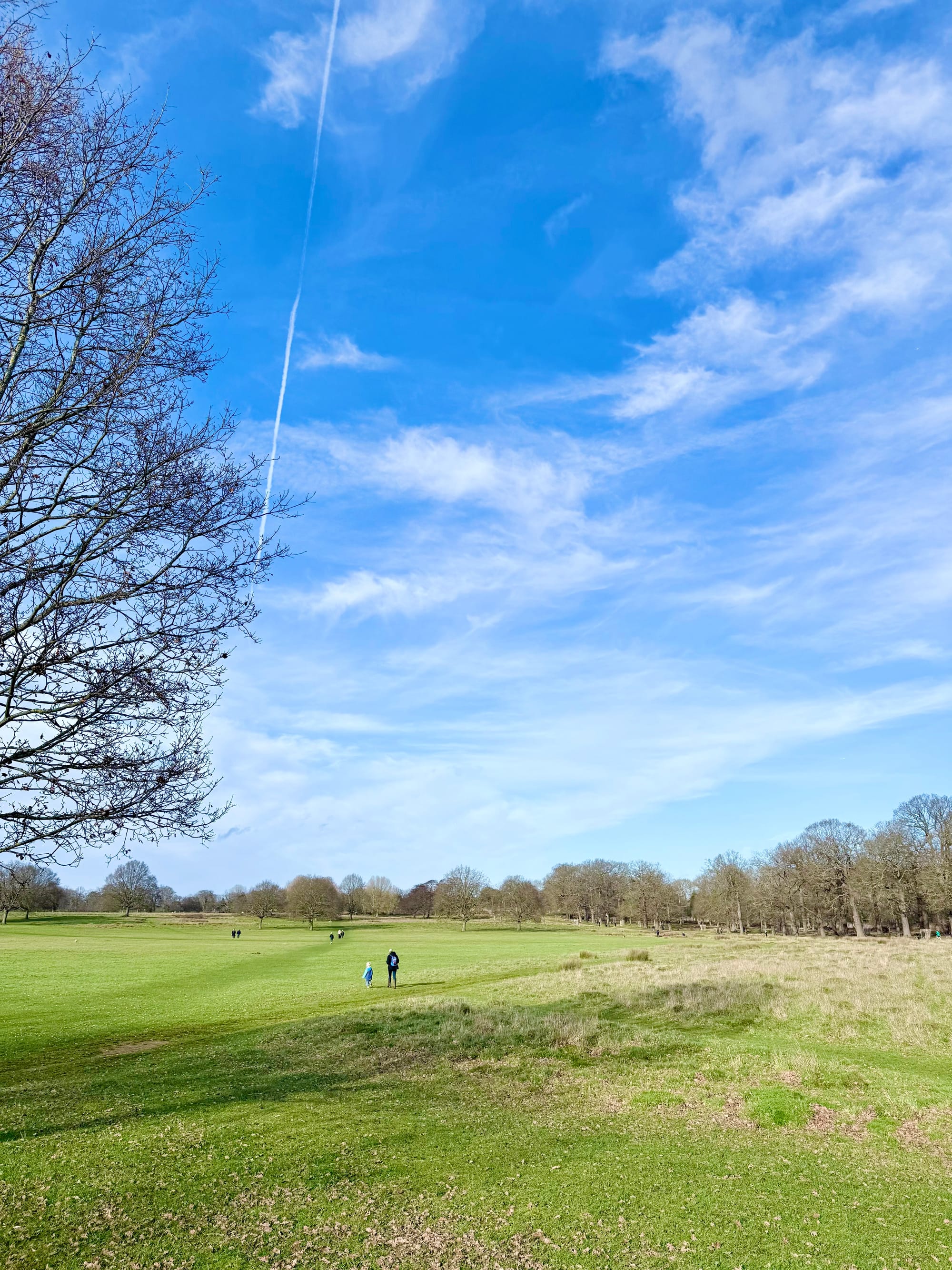
복잡함보다 때로는 단순함의 강함이 있다.
대학 시절이나 커리어 측면에서, 내가 졸업반 즈음 후배들에게 했던 조언도 떠오른다. 나는 대학생 때 봉사활동도 해보고, 인턴십도 하고, 학교 홍보대사로 활동하기도 했고, 대외활동도 다양하게 경험했다. 그 결과 다양한 사람을 만나며 세상에 얼마나 다양한 사람이 있는지 알게 되었고, 사람들이 어떻게 다르고, 내가 무엇을 하려면 누구를 만나야 하며, 나는 어떤 사람인지 등을 많이 생각하게 되었다. 그런데 어느 날, 이런 경험을 ‘많이 해서’ 하는 말이 아니라, 학교에서 큰 활동 없이 차분히 졸업하는 후배에게 오히려 나는 진심으로 이렇게 말해준 적이 있다. “자기가 속한 집단에서 한 가지 경험을 차분하게, 제대로 소화해 낸 사람이면, 밖에서 여러 경험을 했던 사람보다 더 훌륭하고 더 깊은 경험일 수 있다.” 내가 보기엔 다양한 경험을 했다는 사실이 사람을 더 우월하게 만들지 않는다. 중요한 건 자신이 어떤 경험을 했든, 그것을 자기 것으로 단순화해 꾸준히 소화해 낸 노력과 끈기다. 이 생각은 학교뿐 아니라 인생 전반에도 적용된다고 믿는다. 유학을 갔는지, 멋진 직장을 다녔는지 자체가 사람을 바꾸는 게 아니라, 그 사람이 어떤 환경에서 어떤 경험을 자기만의 경험으로 잘 정리하고 살아왔는지가 더 중요한 가치라고 보기 때문이다.
심리적 단순성의 가장 가까운 예로는 엄마가 떠오른다. 우리 엄마는 굉장히 단순한 사람이다. 맛있는 것을 먹으면 즐겁고, 여행도 집 앞이든 멀리든, 해외든 어디든 그 자체로 즐거움을 느낀다. 자식들이 건강하게 컸고 알아서 자기 할 일을 한다는 사실만으로도 늘 감사해한다. 어릴 적 나는 이런 모습을 보며 ‘왜 이렇게 인생을 단순하게 살지?’ 하는 의구심이 컸다. 그리고 그 단순함을 ‘생각이 없음’으로 귀결시키는 오류를 범했다. 그래서 그런 질문을 엄마에게 여러 번 던졌지만, 돌아오는 답은 늘 비슷했다. “그냥 단순하게 사는 게 좋은 거야.” 예전의 나는 그 답이 부족하다고 느꼈지만, 최근에서야 그것이 사실상 엄마가 해줄 수 있는 가장 진정한 답변이었다는 걸 느끼기 시작했다. 내가 그렇게 추구해 온 철학적이고 분석적인 태도가 결과적으로는 내 인생을 더 복잡하게 만들고, 과정의 피로도를 지나치게 올리고 있었기 때문이다.


복잡한 사람의 자각
나는 경험을 할 때도, 주변에서 생기는 선택과 환경을 대할 때도 지나치게 분석적인 편이다. 누군가를 만날 때조차 별별 시나리오를 상정하며 과도하게 생각하고, 때로는 수년 뒤까지 앞당겨 고민하는 오류를 반복해 왔다. 일에서도 완벽하고 싶어 하는 성격 때문에 시나리오 A부터 D까지, 일이 잘 안 됐을 때의 경우를 끝까지 상상하며 수많은 백업 플랜을 나열한다. 그리고 그것들을 ‘만들어두기 위해’ 지나치게 많은 시간을 쓰곤 했다. 지금도 나는 이런 습관과 관성에서 완전히 자유롭지 못함을 느낀다.
좌뇌가 해석해 만들어내는 나의 불안(Anxiety)을 더 심플하게 만들고, 삶을 단순화해야만 내 삶의 피로도가 내려갈 것임을 분명히 인지하고 있다. 단순하게 상황을 바라보고, 지금 주어진 현재만을 간단히 생각하되, 굳이 시나리오를 만들어가며 인생을 과도하게 고민하지 않는 것. 그리고 평균 이상의 깊이로 생각을 더 밀어붙이는 일이 더 이상 내 인생에 도움이 되지 않는다는 것이다.
인생을 행복하게 사는 방법이 ‘단순하게 사는 것’이라면, 행복한 사람은 크게 두 부류로 나뉘는 것 같다. 하나는 굳이 깊게 생각하지 않아도 그 감각이 이미 습관처럼 몸에 배어 있는 사람이고, 다른 하나는 그 감각을 후천적으로 배우며 의식적으로 연습해 온 사람이다. 나는 아마도 전자보다는 후자에 가까운, 조금 더 복잡한 편에 속하는 사람이라고 느낀다. 그래서 지금처럼 인생의 1막을 정리하며 여유롭게 돌아볼 수 있는 순간에, 내게 가장 필요하면서도 부족한 감각이 바로 ‘단순함’이라는 확신이 든다.
인생의 2막을 열기 전에 나는 조금 더 단순해지고 싶다. 이미 가진 것들에서 기쁨을 충분히 느낄 줄 알고, 어릴 때부터 몸에 밴 복잡한 마음의 습관에서 한 발 떨어져 있는 상태로 다음 장을 시작하고 싶다. 나는 생각이 많고, 자꾸 의미를 붙이고, 앞서 걱정하고, 여러 가능성을 미리 계산하는 쪽에 가까운 사람이다. 그게 나를 성장시키기도 했지만, 동시에 삶을 불필요하게 피곤하게 만들기도 했다.
나는 지금까지 내가 받는 사랑이나 내 행복을 의심해 본 적은 없다. 다만 이제는, 행복이 더 많은 것을 얻거나 더 거창한 목표를 세워서만 생기는 건 아니라는 생각이 든다. 오히려 불필요한 해석을 줄이고, 지금 내 앞에 있는 것들을 그대로 받아들이는 힘에서 행복이 더 또렷해질 때가 있다. 복잡하게 사는 건 깊이 있게 사는 것처럼 보일 수 있지만, 때로는 그 복잡함이 나를 현재에서 멀어지게 하고 만족을 흐리게 한다.
그래서 나는 다음 장에서는 조금 덜 복잡하게 살고 싶다. 모든 걸 다 이해하려고 하기보다, 내 삶에서 중요한 몇 가지를 붙들고 나머지는 흘려보내는 것이다. 이는, 더 큰 행복을 찾기 위해 더 멀리 달리는 게 아니라, 이미 내 안에 있는 안정감과 감사함을 더 자주 꺼내 쓰는 사람. 그런 단순함이면 충분하다.

Complexity Is Not Always a Help
One of the good things about being a student is having plenty of time to think about my career and my life. But what I have come to feel more clearly lately is that, past a certain point, complexity actually does not help in sorting out a problem or a thought. Looking back, some things I did only after a great deal of thinking, but there were also many moments when things turned out better when I did them “just because they had to be done,” or when I simplified them and acted without much thought.
What matters here is that ‘having no thought’ and ‘simplicity’ are conceptually different. Holding on to just a few criteria and moving forward simply is fundamentally different from acting without any thought at all, as if swept along. This distinction must be made clear.
When I looked into books on neuroscience and philosophy to think this through further, I found a fresh perspective. Our brain, the left hemisphere in particular, strongly carries out the function of ‘interpreting’ events, and when this interpretation works in an oversensitive, hypervigilant way, it tends to read too much into the signals out in the world. But that is only the left brain’s interpretation of a particular event; it may not be the absolute emotion we are bound to feel, nor the ‘true meaning’ of that event.
In philosophy I often meet a similar line of thought. Epictetus says that suffering comes less from the external signal itself than from a repeated habit of interpretation; Marcus Aurelius teaches that life is the result of the thoughts we summon up over and over. Schopenhauer, too, notes that human beings keep repeating the thoughts that torment them. In the end, the point is that the habits of the mind create our suffering and our worries. Of course it has to be applied differently from situation to situation, but at a broad level there is much in it that I find persuasive.
The Way We Interpret Becomes a Habit.
Now, coming back to my own story, I think I can apply these philosophies to the different periods of my life. In my elementary school years I really lived without much thought, and so it seems to have been a time when I had no distinct sense of self about ‘my life.’ I simply went to school. Back then, because of my prickly, introverted nature, I was not a popular student. But I was fairly good at reading my friends’ emotions and the mood around me. Wanting to correct those shortcomings at least a little, I began reading bit by bit from the upper grades of elementary school: Dale Carnegie’s How to Win Friends and Influence People, Chinese classics, and various philosophy books. I wanted to learn a different frame for my lacking relationships and for looking at life. The first thing I felt strongly then was that I was living very differently from the ‘model case.’ So I began to change myself little by little, and tried to face what I was doing wrong. As a result, I do not know whether I fully became the ‘model person’ in the books, but it is certain that I looked back on and corrected much of the sociability and social skills I needed in my school years on my own. I have mentioned this in a past piece, so I will keep it short here.
When I became a university student, this thirst grew even greater. The time I spent reading books and thinking about life increased, and I wrestled more fiercely with what the value of life was. This process in my childhood and youth surely had meaning, and I believe it was thanks to it that the self I have now, one that can understand a variety of perspectives, was formed. Still, looking back on myself then from where I am now, I cannot shake the thought that I made life far too complicated. I took an interest in philosophy and psychology books, and tried to have as many experiences as possible. On top of that, in interpreting those experiences I tried to invest an above-average philosophical perspective and time. Back then, feeling that the people around me lived far too thoughtlessly, there was also a side of me that drove myself, telling myself I had to think more deeply. But thinking about it again now, I find myself asking whether I really lived a more ‘philosophical life’ than those around me. The comparison itself is meaningless, but what matters is the question of whether it helped my life.
I now think that, at any age and in any period of life, above-average complexity (things like philosophical sensitivity or emotional sensitivity) often backfires instead. What life really needs is simplicity, and I feel that simplicity is the heart of happiness, contentment, and joy as well. The moment our thoughts grow complicated and our emotions grow complicated, we drag ourselves down a harder road amid worry and anguish. In the end this comes close to the saying that “we ourselves create our own suffering.”
This is also exactly where I feel things to be especially difficult when I talk with the child I mentor at an orphanage. It is when the child talks within an overly mature frame. For instance, when they ask about the meaning of life, or speak of a sense of responsibility and worries that go beyond a middle schooler’s level, I find myself doubting, ‘Is this really a worry that is needed at this point?’ At the same time, I also feel another kind of responsibility, asking, ‘What drove this child into such thoughts?’ Worries that are appropriate at a young age may help in forming the self, but I am skeptical about whether above-average worry is a process children truly need. Because the deeper the worry grows, what you are given is deeper worry still, and in a sense that, too, is suffering.
Sometimes There Is a Strength in Simplicity Rather Than Complexity.
From my university days or in terms of my career, I also recall the advice I gave to the younger students around the time I was a senior. As a university student I did volunteer work, took internships, served as a school ambassador, and experienced a wide range of extracurricular activities. As a result, meeting many different people, I came to learn just how varied the people in the world are, and I came to think a lot about how people differ, whom I needed to meet to do what I wanted, who I was, and so on. But one day, not speaking from ‘having done so much’ of this kind of experience, I once sincerely said this to a junior who was quietly graduating without any major activities at school: “A person who has calmly and properly digested a single experience within the group they belong to can have a finer and deeper experience than someone who has had many experiences outside.” The way I see it, the fact that someone has had a variety of experiences does not make a person superior. What matters is the effort and persistence with which, whatever experience one has had, one simplified it into one’s own and steadily digested it. I believe this idea applies not only to school but to life as a whole. It is not that studying abroad or working at an impressive company in itself changes a person; rather, I see the more important value as how well a person has organized whatever experience, in whatever environment, into an experience uniquely their own, and lived it out.
As the closest example of psychological simplicity, my mother comes to mind. My mother is an extremely simple person. Eating something delicious makes her happy, and whether the trip is just outside the house or far away, at home or abroad, she feels joy in it for its own sake. Just the fact that her children grew up healthy and take care of their own affairs is enough to make her always grateful. As a child, watching this, I had a strong doubt: ‘Why does she live life so simply?’ And I made the mistake of reducing that simplicity to ‘having no thought.’ So I threw such questions at my mother many times, but the answer that came back was always similar: “Living simply is just the good way to live.” The old me felt that answer was lacking, but only recently have I begun to feel that it was in fact the most genuine answer my mother could give. Because the philosophical, analytical attitude I had pursued was, in the end, making my life more complicated and raising the fatigue of the process far too high.
A Complicated Person’s Self-Awareness
Whether I am having an experience or dealing with the choices and circumstances that arise around me, I tend to be excessively analytical. Even when meeting someone, I overthink, positing all sorts of scenarios, and I have repeated the error of worrying years ahead of time. At work, too, because of my desire to be perfect, I lay out countless backup plans, imagining everything from scenario A through D, all the way to the cases where things go wrong. And I used to spend far too much time just ‘to have them prepared.’ Even now, I feel I am not entirely free of these habits and this inertia.
I clearly recognize that only by making the anxiety my left brain interprets and produces simpler, and by simplifying my life, will the fatigue of my life come down. To look at situations simply, to think plainly only of the present given to me, but not to overthink life by deliberately constructing scenarios. And that pushing my thoughts further, to an above-average depth, no longer helps my life.
If the way to live a happy life is to ‘live simply,’ then happy people seem to fall broadly into two groups. One is people in whom that sense is already ingrained like a habit, without their having to think deeply about it; the other is people who have learned that sense later in life and consciously practiced it. I feel I am probably closer to the latter, the slightly more complicated type, than the former. And so, at a moment like this, when I can take stock of the first act of my life and look back at leisure, I am convinced that the sense I most need and yet most lack is precisely ‘simplicity.’
Before opening the second act of my life, I want to become a little simpler. I want to begin the next chapter knowing how to feel enough joy in what I already have, and standing one step removed from the complicated habits of mind that have been ingrained in me since childhood. I am the kind of person who thinks a lot, keeps attaching meanings, worries ahead of time, and calculates many possibilities in advance. That has helped me grow, but at the same time it has also made life unnecessarily tiring.
Up to now I have never doubted the love I receive or my own happiness. But now I have come to think that happiness does not arise only from gaining more or from setting grander goals. Rather, there are times when happiness becomes clearer through the power of reducing unnecessary interpretation and accepting the things in front of me as they are. Living complicatedly can look like living with depth, but sometimes that complexity pulls me away from the present and blurs my contentment.
So in the next chapter I want to live a little less complicatedly. Rather than trying to understand everything, I will hold on to the few things that matter in my life and let the rest flow by. This means being not a person who runs farther in search of greater happiness, but a person who more often draws on the stability and gratitude already within me. Such simplicity is enough.

댓글을 남기려면 이메일로 가입/로그인해주세요. Sign in with your email to leave a comment.