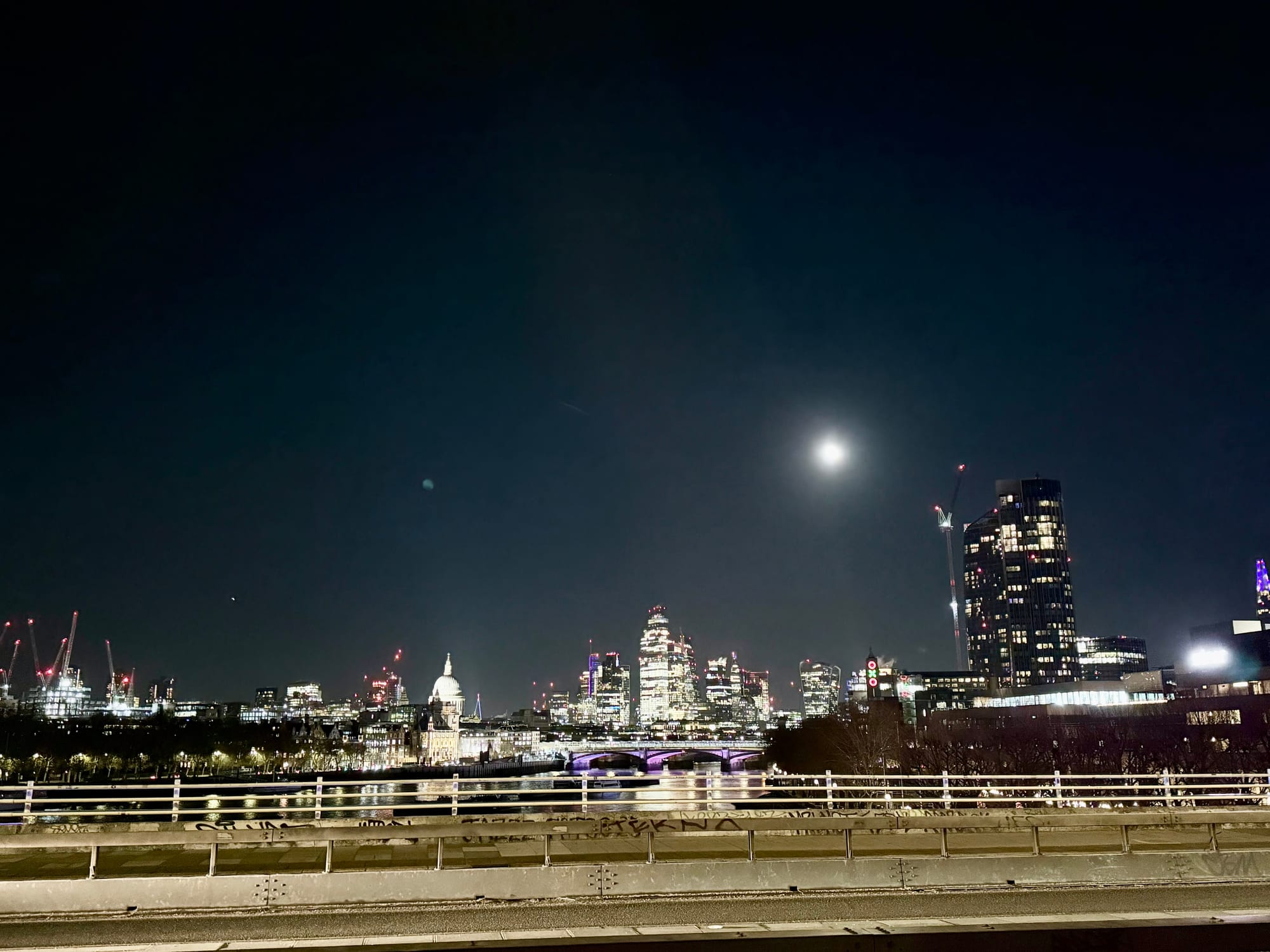
항상 새해가 되면 물리적인 시간은 불과 얼마 전의 12월과 크게 다르지 않다는 걸 알면서도, 정서적으로는 마치 새로운 챕터에 들어선 듯한 기분이 든다. 그래서 자연스럽게 올해에는 어떤 ‘새로움’이 있을지 생각하게 되고, 어떤 목표를 세워야 할지 고민하게 된다. 더 나아가서는 내 인생이 지금 잘 흘러가고 있는지, 방향은 맞는지 같은 다소 비장한 철학적 질문까지 스스로에게 던지게 된다.
돌이켜보면 직장생활을 하던 시기에는 선택을 앞두고 늘 꽤나 2차원적인 질문들 속에 머물러 있었던 것 같다. 지금 회사를 더 다녀야 하는지, 이 직무가 정말 나에게 맞는지, 전문성은 제대로 쌓이고 있는지, 보상은 충분한지 같은 질문들이다. 그리고 그중 하나라도 마음에 들지 않거나 설명하기 어려운 갈증이 느껴지기 시작하면, 고민은 자연스럽게 다음 단계로 이어졌다. 그렇다면 언제 그만두는 게 현명한가, 이직을 한다면 어디로 가야 할까, 어떤 회사와 어떤 역할이 나에게 맞을까.
사실 이런 고민들이 특별한 것은 아니다. 직장생활을 하는 동안 매년, 아니 어쩌면 매달 반복해 왔던 질문들이기 때문이다. 인간이라면 누구나 자신이 서 있는 길에 대해 한 번쯤은 의심하고, 답답함이나 결핍을 느낀다. 그리고 동시에, 가지 않은 길에 대해 이상적으로 상상해 보는 로망 정도는 품을 수밖에 없지 않을까 생각한다.
직장인에서 학생이 되면서 이런 생각을 방식도 다차원적이면서 생각하는 시간들이 눈에 띄게 길어졌다. 그 이유는 하루를 타인이나 조직에 의해 끌려다니기보다, 스스로 구성하고 스스로 생각할 시간이 주어지기 때문이다. 자연스럽게 자기 삶에 대해 더 깊이 고민할 수 있는 자유와 여유가 생긴다. 물론 이런 시간이 주어지더라도, 학교라는 또 다른 구조에 끌려다니며 지낼 수도 있고, 의도적으로 아무 생각 없이 시간을 흘려보낼 수도 있다.
나는 이 차이를 종종 비유로 설명하곤 한다. 직장생활은 산티아고 순례길과 닮아 있다. 가야 할 길은 이미 정해져 있고, 그 길 위에서 어떤 과정과 역경을 어떻게 견뎌낼지를 고민하는 구조다. 반면 학생의 시간은 사막 한복판에 떨어진 상태에 가깝다. 어느 방향으로 갈지, 어떤 속도로 움직일지, 언제 멈출지를 스스로 결정해야 한다. 둘 다 분명 어려운 길이지만, 고민의 성격과 경험의 질에는 분명한 차이가 존재한다.
조금 더 현재 내가 가진 고민으로 내려와 보면, 요즘의 나는 구름 위를 걷는 듯한 감각을 느낄 때가 많다. 무언가를 생각하고 있고, 무언가를 실행하고 있는 것 같지만, 막상 구체적인 형태로 잡히는 것은 없다. 정해진 것도, 확실하게 구조화된 것도 없는 상태다. 그래서 스스로에게 ‘내가 무언가를 하고 있다’ 거나 ‘잘 정리되어 있다’고 말하기가 쉽지 않다. 이런 상황에서는 종종 스트레스를 받거나, 막연한 불안감을 느끼기도 한다.
다만 이런 종류의 스트레스에 대해서는 비교적 긍정적으로 받아들이려 한다. 이런 불안과 결핍은 나를 성장하게 만들고, 새로운 무언가에 도전하게 만드는 또 다른 차원의 원동력이기도 하기 때문이다. 문제는 이런 감정을 마주했을 때, 생각을 잘 구조화하지 못하고 방향을 건강하게 잡지 못할 때다. 과거의 나는 이런 순간에 종종 인생무용론이나 ‘계획해서 뭐 하나’ 같은 무기력한 상태로 빠지곤 했다. 그래서 이런 감정이 올라올 때마다, 나는 나름대로 이를 다루기 위해 의식적으로 노력해 왔다. 그 방식들은 대략 다음과 같다.
Stoicism
어떤 순간마다 내가 느끼는 스트레스나 외적 자극들은, 조금만 더 들여다보면 막상 구체화하기 어려운 감정인 경우가 많다. 어떤 때는 몹시 슬프지만, 왜 슬픈지 깊게 생각해 보면 이유를 명확히 말할 수 없고, 화가 나 있지만 왜 그렇게까지 화가 나야 하는지는 설명하기 어려울 때도 있다. 그냥 감정적으로 그렇게 느껴지는 경우도 있고, 막상 구체화해 보면 그럴 이유가 아니었던 적도 많다. 내가 가장 혼란스럽고 스트레스를 크게 느끼는 순간들은, 생각해 보면 내가 통제할 수 없는 영역까지 판단하거나 결정하려고 할 때다.
특히 어떤 결과, 타인의 반응, 시장 상황, 구직 환경, 평가, 운 같은 요소들을 한꺼번에 붙잡으려 하면 선택의 기준은 기하급수적으로 늘어난다. 실제로는 하나의 목표나 방향을 두고 고민하고 있음에도, 결정을 명확하게 내리기 어려워진다. 상황이 단순할 때보다 선택지가 많고 결과가 불확실할수록 사람은 더 쉽게 흔들린다. 무엇을 해야 할지는 대략 알고 있지만, “이게 맞나?”, “이 선택이 나를 어디로 데려갈까?” 같은 질문이 계속 머릿속을 맴돈다. 아이러니하게도, 복잡한 문제는 복잡하게 풀수록 더 복잡해진다.
내가 스트레스를 느끼고 힘들어지는 지점을 곱씹어보면, 이유는 의외로 단순하다. 내가 통제할 수 없는 것까지 예측하고 책임지려고 하기 때문이다. 결과가 어떻게 될지, 상대가 어떻게 반응할지, 시장이 어떻게 움직일지, 미래의 내가 후회하지는 않을지. 이 모든 것을 동시에 고려하려는 순간, 판단은 쉽게 마비된다.
그래서 생각을 의도적으로 이분법적으로 나눈다. 내가 통제할 수 있는 것과, 내가 통제할 수 없는 것. 전자는 나의 판단, 선택, 태도, 원칙이고, 후자는 결과, 타인의 반응, 환경, 운이다. 중요한 점은 통제할 수 없는 것들을 무시하는 데 있지 않다. 그것들이 내가 판단해야 할 기준이 될 수 없음을 인정하는 데 있다.
예를 들어 중요한 결정을 앞두고 “이 선택이 성공할까?” 혹은 “이 선택을 해도 잘될 수 있을까?”라는 질문을 던지곤 한다. 하지만 이 질문에는 애초에 답이 없다. 미래는 통제할 수 없기 때문이다. 대신 “이 선택은 지금의 내가 보기에 정직한가?”, “내가 중요하게 여기는 원칙에 부합하는가?”를 묻는다. 결과가 아니라, 내가 책임질 수 있는 선택의 질에 집중하는 것이다. 상황은 그대로인데, 내가 체감하는 문제의 크기는 줄어든다. 불안의 상당 부분은, 내가 어쩔 수 없는 것을 붙잡고 있을 때 생기기 때문이다.
선택의 목적론
앞서 말한 것처럼 의사결정의 구조를 단순화하더라도, 한 가지 더 함께 고려해야 할 것이 있다면 그것은 궁극적인 방향이라고 생각한다. 다소 철학적인 사고일 수 있지만, 내 행동과 선택, 결정들이 어떤 단기적 목표가 아니라 하나의 궁극적인 목표 아래에서 서로 부합하는지 돌아보는 것이다. 모든 행동에는 목적이 있고, 우리 삶 전체에도 어떤 궁극적인 목적이 있기 때문이다.
물론 삶의 목적이나 목표를 명확히 정의하는 일은 때로는 부재의 영역에 가깝다. 나 역시 삶의 궁극적인 방향에 대해 비교적 최근에서야 진지하게 고민하기 시작했다. 불과 3년도 채 되지 않았다. 그래서 오히려 인생의 방향이 명확하지 않을 때는, 단기적인 삶을 살아보며 자신이 무엇을 좋아하는지, 어떤 방향이 맞는지를 여러 갈래로 경험해 보는 과정 자체가 의미 있는 지식 축적이라고 생각한다.
다시 돌아와서, 우리가 지향해야 할 삶의 궁극적인 목표는 특정한 조건을 떠나 단순한 순간적 행복이 아니라, 지속적으로 잘 사는 상태에 가깝다. 여기서 앞선 의사결정의 기준과 함께 결합해 생각해야 할 질문은 “이 선택이 나를 기분 좋게 하는가?”가 아니라, “이 선택이 나라는 사람을 어떤 방향으로 만들어가는가?”라는 질적인 질문이다. 그래서 나는 어떤 선택을 앞두고 있을 때, 이 선택이 내 삶 전체의 맥락에서 나를 어떤 상태로 이끄는지를 고민하려 한다.
이를 조금 더 구체적으로 떠올려보면, 만약 나라는 사람의 자서전이 있다고 가정했을 때, 지금의 직업적 선택 하나만으로도 해당 챕터는 완전히 달라질 것이다. 왜냐하면 다음 선택에 따라 이후 5년, 10년을 전혀 다른 모습으로 살아가게 되기 때문이다. 그래서 단기적이든 장기적이든, 내가 내 자서전을 다시 읽어보았을 때 어떤 모습의 내가 스스로에게 만족감을 줄지 다시 묻게 된다. 이 질문은 일뿐만 아니라 사랑을 포함해 삶의 여러 영역에 그대로 적용된다. 그래서 나는 조금 더 어려운 길로 보이더라도, 내가 바라보는 내 자서전이 조금은 낭만적이기를 바라는 마음으로 당장의 편의보다는 낭만을 선택하는 편이다.
이런 사고의 프레임을 갖게 되면, 자연스럽게 많은 선택지가 걸러지면서 감정적인 피로도도 줄어든다. 단기적으로는 편하지만 장기적으로 나를 소모시키는 선택, 남들이 보기에는 좋아 보이지만 나의 방향과 맞지 않는 선택, 수단임에도 목적처럼 집착하고 있는 선택들은 굳이 깊이 고민하지 않게 된다. 선택을 순간의 점이 아니라 삶이라는 긴 선 위에 올려두고 바라보면, 판단은 훨씬 깔끔해진다. 이 질문 안에는 운도, 타인의 평가도, 불확실한 예측도 없다. 오직 나의 기준과 나의 방향만 남는다.
마지막으로
복잡한 상황에서 길을 잃는다는 것은 결코 비정상적인 일이 아니다. 그것은 나의 능력이 부족해서도, 상황이 유난히 가혹해서도 아니다. 대개는 내가 따르던 기준이 흐려졌다는 신호에 가깝다. 그리고 그 기준을 다시 찾기 위해 반드시 거쳐야 하는 하나의 과정이다.
어린 시절의 나는 이런 혼란한 시기에 흔히 답을 찾기 위해 타인을 바라봤었다. 부모의 경험, 친구의 조언, 누군가의 성공 사례. 그러나 어떤 상황에서도, 그 누구도 나 대신 선택해 줄 수는 없었다. 결과적으로 타인이 건네는 말은 참고일 수는 있어도, 결코 나의 답이 될 수는 없다고 생각한다.
아이러니하게도, 내가 그토록 찾으려 애쓰는 ‘답’은 본질적으로 타인으로부터 올 수 없는 것이다. 더 나아가 말하자면, 이 세상에는 미리 주어진 정답 같은 것은 존재하지 않는다. 왜냐하면 ‘답’이란 객관적으로 맞고 틀린 무언가가 아니라, 내가 어떤 삶을 살기로 선택하느냐에 대한 선언에 가깝기 때문이다.
나는 무엇을 중요하게 여기고, 어떤 방향을 향해 살고 싶으며, 어떤 불완전함까지 감수할 수 있는가. 그 선택은 오직 나만이 할 수 있고, 그 책임 역시 나만이 질 수 있다.
그래서 결국 삶의 “답”이란, 어디엔가 숨겨져 있는 것이 아니라,
내가 자의적으로 선택하고,
내가 바라는 만큼 살아가는 그 태도 자체에 있다고 생각한다.
이런 복잡한 생각들을 정리하고, 머릿속에서 구조를 잡아보아도 막상 일상으로 돌아오면 중요한 건 생각보다 단순하다.
잘 먹고,
좋은 사람과 이야기하고,
하루 안에서 작은 즐거움을 하나쯤 찾고,
그 하루가 나쁘지 않았다고 느끼는 것.
나는 친구한테 가끔 농담처럼 말한다.
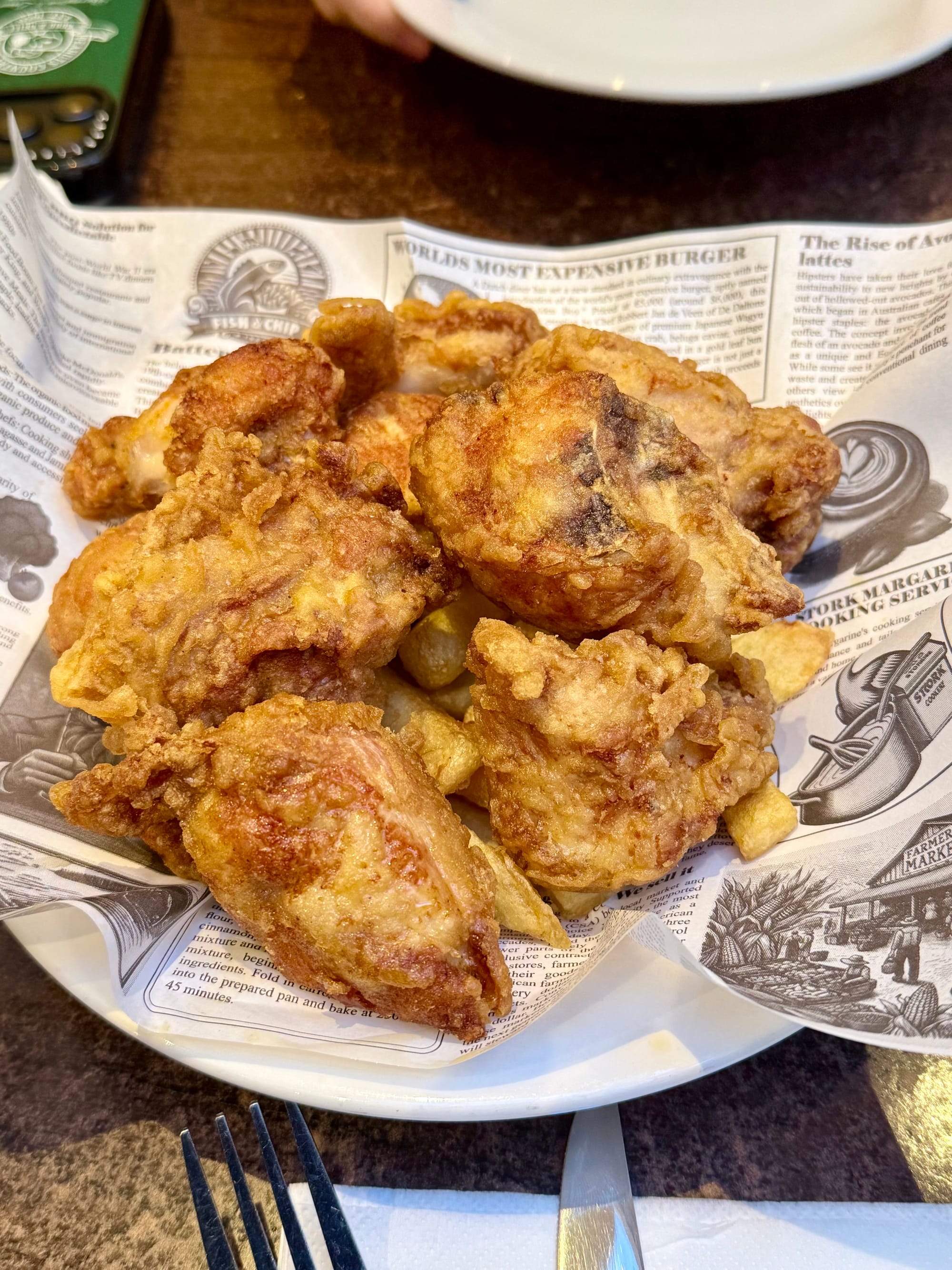
“힘들 땐 그냥 치킨 먹고 잘 놀면 된다”라고.
웃자고 하는 말이지만, 사실 꽤 진심이다.
Every time a new year arrives, even though I know the physical time is barely different from the December that was just a moment ago, emotionally it feels as if I have stepped into a new chapter. So naturally I start thinking about what kind of ‘newness’ this year might hold, and I begin to wonder what goals I should set. Going further, I end up posing rather solemn philosophical questions to myself, like whether my life is flowing well right now, and whether the direction is right.
Looking back, during the years I was working a job, I always seemed to stay within fairly two-dimensional questions whenever a choice loomed. Questions like whether I should stay at the company longer, whether this role really suited me, whether I was building up real expertise, whether the compensation was enough. And the moment even one of them didn’t sit right, or some thirst I couldn’t quite explain began to set in, the worrying naturally moved to the next stage. So then, when is it wise to quit, where should I go if I change jobs, what company and what role would suit me.
In truth, these worries are nothing special. They are questions I repeated every year, or maybe even every month, throughout my working life. Anyone who is human doubts, at least once, the path they are standing on, and feels frustration or a sense of lack. And at the same time, I think we can’t help but harbor at least a little romantic longing, idealizing the path not taken.
As I went from being an employee to being a student, the way I thought about these things became more multidimensional, and the time I spent thinking grew noticeably longer. The reason is that, rather than being dragged through the day by other people or by an organization, I am given time to compose and to think on my own. Naturally, a freedom and a leisure to reflect more deeply on my own life come along with it. Of course, even when such time is given, one can still spend it being dragged along by another structure called school, or one can deliberately let the time slip by without a single thought.
I often explain this difference with an analogy. Working life resembles the Camino de Santiago. The path you must walk is already set, and the structure is about figuring out, on that path, how to endure which trials and which hardships. The time of a student, on the other hand, is closer to being dropped in the middle of a desert. You have to decide for yourself which direction to go, at what pace to move, and when to stop. Both are clearly difficult paths, but there is a clear difference in the nature of the worrying and the quality of the experience.
Coming down a little closer to the worries I hold right now, these days I often feel as if I am walking on clouds. I seem to be thinking about something and doing something, yet nothing actually takes a concrete shape. Nothing is decided, nothing is firmly structured. So it isn’t easy to tell myself that ‘I am doing something’ or that ‘things are well organized.’ In situations like this, I sometimes feel stressed, or a vague anxiety.
That said, I try to take this kind of stress relatively positively. This anxiety and lack are also a driving force of another dimension that makes me grow and pushes me to take on something new. The problem is when I face these emotions and fail to structure my thinking well, fail to find a healthy direction. The me of the past would often, in such moments, fall into a state of helplessness, into a kind of nihilism about life or a ‘what’s the point of planning’ resignation. So whenever these emotions rise up, I have consciously made an effort, in my own way, to handle them. The methods are roughly as follows.
Stoicism
The stress and the external stimuli I feel in any given moment are, if I look just a little closer, often emotions that are hard to pin down. Sometimes I am terribly sad, but when I think deeply about why I am sad, I can’t state the reason clearly; I am angry, but it’s hard to explain why I had to be angry to that degree. Sometimes I simply feel that way emotionally, and many times, once I tried to make it concrete, it turned out not to be something worth feeling that way over. The moments when I feel most confused and most stressed, when I think about it, are when I try to judge or decide even in territory I cannot control.
In particular, when I try to grab hold all at once of factors like a certain outcome, other people’s reactions, market conditions, the job market, evaluations, and luck, the criteria for choosing multiply exponentially. Even though I am really only deliberating over a single goal or direction, it becomes hard to reach a clear decision. People are more easily shaken when there are many options and the outcomes are uncertain than when the situation is simple. I roughly know what I should do, but questions like “Is this right?” and “Where will this choice take me?” keep circling in my head. Ironically, a complex problem only grows more complex the more complexly you try to solve it.
When I chew over the point where I feel stressed and struggle, the reason is surprisingly simple. It is because I try to predict and take responsibility even for things I cannot control. How the outcome will turn out, how the other party will react, how the market will move, whether the future me will regret it. The moment I try to consider all of these at once, judgment is easily paralyzed.
So I deliberately divide my thinking in a binary way. The things I can control, and the things I cannot control. The former are my judgment, my choices, my attitude, my principles; the latter are the outcome, other people’s reactions, the environment, and luck. The important point is not to ignore the things I cannot control. It is to acknowledge that they cannot become the criteria by which I make my judgments.
For example, facing an important decision, I tend to ask, “Will this choice succeed?” or “Can things still go well even if I make this choice?” But these questions have no answer to begin with. Because the future cannot be controlled. Instead, I ask, “Is this choice honest, in the eyes of the me of right now?” and “Does it fit the principles I hold to be important?” I focus not on the outcome but on the quality of the choice I can take responsibility for. The situation stays the same, but the size of the problem I actually feel shrinks. Because a large part of anxiety arises when I am clinging to something I can do nothing about.
The Teleology of Choice
Even after simplifying the structure of decision-making as I described above, I think there is one more thing to consider alongside it: the ultimate direction. It may be a somewhat philosophical way of thinking, but it is about looking back to see whether my actions, choices, and decisions align with one another not under some short-term goal but under a single ultimate goal. Because every action has a purpose, and our life as a whole has some ultimate purpose too.
Of course, clearly defining the purpose or goal of life is at times closer to a realm of absence. I too only began to seriously contemplate the ultimate direction of my life relatively recently. It hasn’t even been three years. So instead, when the direction of life isn’t clear, I think the very process of living in the short term, experiencing along several branching paths what I like and which direction fits me, is itself a meaningful accumulation of knowledge.
Coming back, the ultimate goal of life we should aim for is, apart from any particular condition, not simple momentary happiness but something closer to a state of living well, continuously. Here, the question to think about in combination with the earlier criteria for decision-making is not “Does this choice make me feel good?” but the qualitative question, “In what direction is this choice shaping the person that is me?” So when I face a choice, I try to consider what state this choice leads me to within the context of my life as a whole.
To picture this a little more concretely, supposing there were an autobiography of the person I am, a single professional choice now would completely change that chapter. Because, depending on the next choice, I will live the following five or ten years in an entirely different form. So whether short-term or long-term, when I reread my own autobiography, I find myself asking again which version of me would give me a sense of satisfaction. This question applies just as it is to many areas of life, including not only work but also love. So even if it looks like a slightly harder path, with the wish that the autobiography I picture be a little romantic, I tend to choose romance over present convenience.
Once you come to hold this frame of thinking, many options are naturally filtered out and emotional fatigue decreases as well. Choices that are comfortable in the short term but drain me in the long term, choices that look good to others but don’t match my direction, choices I am obsessing over as if they were the end when they are only a means: I no longer bother to deliberate over them deeply. When you place a choice not as a point in a moment but on the long line of life and look at it, judgment becomes far cleaner. Within this question there is no luck, no evaluation by others, no uncertain prediction. Only my criteria and my direction remain.
Finally
To lose your way in a complex situation is by no means an abnormal thing. It is neither because my ability is lacking nor because the situation is unusually harsh. Usually it is closer to a signal that the criteria I had been following have grown blurred. And it is a process one must necessarily pass through in order to find those criteria again.
The me of my younger years, in such times of confusion, commonly looked to others to find the answer. A parent’s experience, a friend’s advice, someone’s success story. But in any situation, no one could choose for me. In the end, I think the words others hand you can be a reference, but they can never become my answer.
Ironically, the ‘answer’ I try so hard to find is, in essence, something that cannot come from others. To go further, there is no such thing as a predetermined correct answer in this world. Because an ‘answer’ is not something objectively right or wrong, but is closer to a declaration about what kind of life I choose to live.
What do I hold to be important, in what direction do I want to live, and what imperfection am I willing to bear. That choice can be made only by me, and the responsibility for it can be borne only by me.
So in the end, the “answer” of life is not something hidden away somewhere, but
something I choose by my own will,
and something that lies in the very attitude of living as much as I wish to.
Even after sorting out these complicated thoughts and getting the structure straight in my head, once I return to daily life, what matters is simpler than I expected.
Eating well,
talking with good people,
finding at least one small pleasure within the day,
and feeling that the day wasn’t bad.
I sometimes tell a friend, half as a joke.
“When things are hard, you just eat some fried chicken and play well.”
It’s something I say to get a laugh, but honestly, I mean it quite a bit.
댓글을 남기려면 이메일로 가입/로그인해주세요. Sign in with your email to leave a comment.