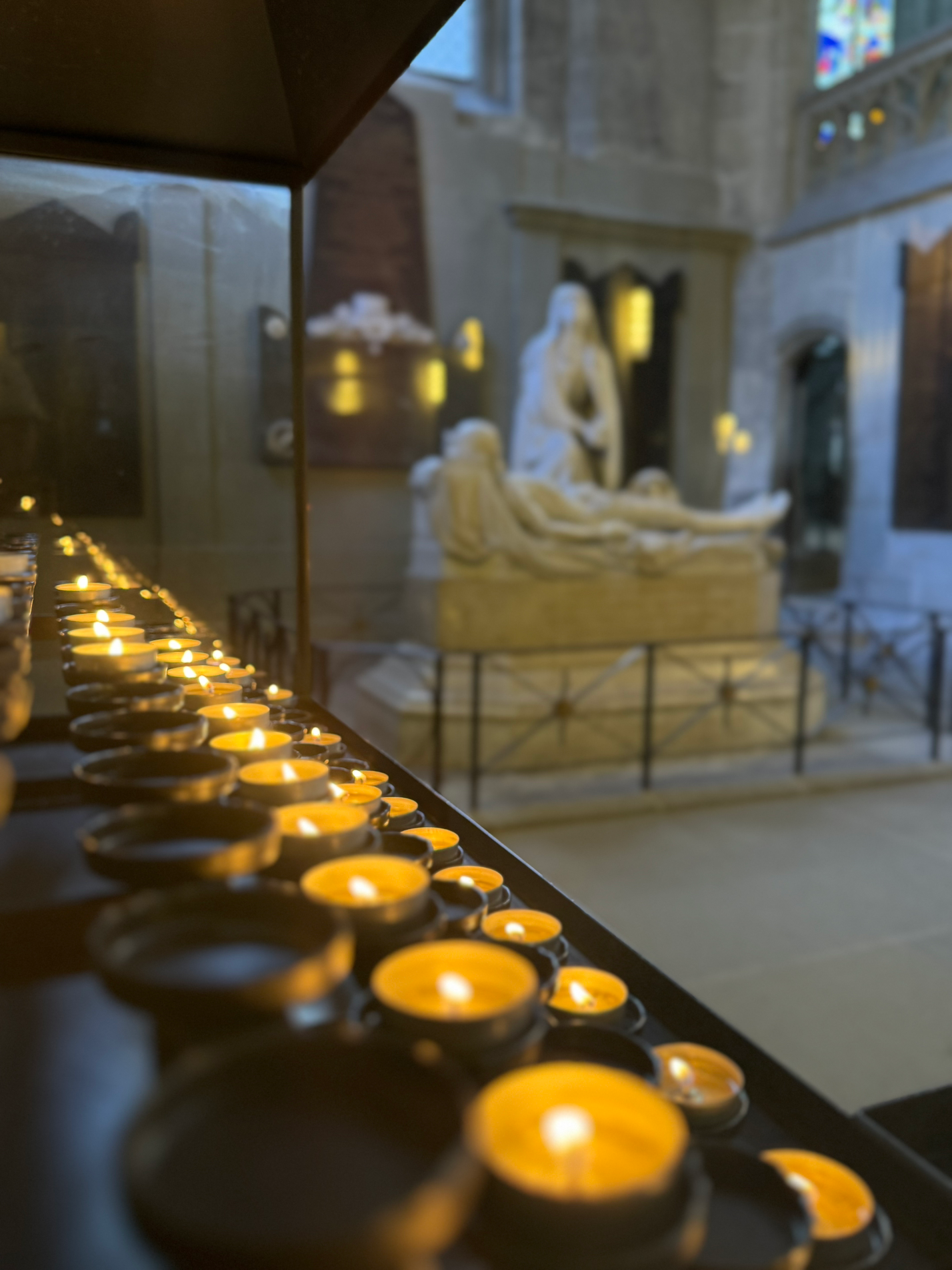
‘만약 내게 주어진 삶이 얼마 남지 않았다면 무엇을 할 것인가?’라는 질문은 누구나 영화나 드라마를 보며 한 번쯤 떠올릴 법한 이야기이다.
이런 질문이 진정으로 다가오는 순간은 많지 않다. 아마도 연세가 지긋하신 어르신이거나, 중병으로 인해 생사를 넘나드는 상황에서야 진지하게 고민해 볼 수 있을 것이다. 10대와 20대에는 삶이 영원하지 않다는 사실을 알고 있어도, 삶의 끝을 상상하거나 유한함을 의식하며 사는 사람은 거의 없다. 나 또한 그런 평범한 사람이었다.
파트 1 : 병원방문
대학교 시절, 동기들과 나는 군대에 어떻게 가면 좋을지 많은 고민을 했다. 대부분의 친구들은 1학년이나 늦어도 2학년을 마친 뒤 군대에 갔다. 나의 친한 친구들은 단순히 군 복무를 하는 것보다 장교로 복무해 보자는 목표를 가지고 있었다. 사병으로 복무하는 것도 훌륭한 일이지만, 장교로 복무하면 국가에게, 그리고 내 인생에 더 큰 의미를 줄 수 있을 것이라고 생각했다. 그래서 나는 대학교를 다니며 졸업한 후 장교로 임관하기 위해 준비를 했다.
대학교 3학년 1학기에 나는 해군 예비장교 과정에 합격했고, 졸업 후 3년간 복무할 예정이었다. 예비장교 과정은 방학 중 소집되어 훈련을 받는 방식으로 진행되었다. 4학년으로 올라가기 전 겨울방학에 해군사관학교에서 기초 훈련과 교육을 받았다.
나는 어릴 때부터 가끔 두통을 느꼈다. 3~4년 주기로 강한 두통이 찾아왔지만, 하루나 이틀 정도 지나면 금세 사라지는 증상이었다. 오랜 기간 아프거나 규칙적으로 찾아오는 것도 아니어서 병원에 갈 필요성을 느끼지 않았다. 나는 늘 건강하다고 믿으며 살았고, 내가 병원 신세를 질 거라고 생각해 본 적도 없었다.
어느 날 해군사관학교 소집 중 두통이 찾아왔다. 평소보다 조금 더 강하게 느껴져서 신경이 쓰였다. 과거의 두통과 정확히 무엇이 다른지는 알 수 없었지만, 이번에는 원인을 한 번쯤 알아보고 싶다는 생각이 들었다. 소집 훈련이 끝난 후 나는 병원을 찾았다. 그리고 의사에게 머리가 아픈 원인을 알고 싶다고 말했다.
병원에서는 두통 같은 증상을 바로 원인을 알기 어렵다고 했다. 언제부터 아팠는지, 어떤 증상인지 물어보고는 우선 약을 일주일 정도 먹어보는 게 어떻겠냐고 했다. 하지만 나는 단순히 약으로 증상을 완화하는 것이 아니라, 두통의 근본적인 원인이 무엇인지 알고 싶었다. 그래서 용기를 내어 MRI를 찍겠다고 말했다.
사실 어릴 때 나는 이런 검사가 무서웠다. 검사 결과가 무엇일지 알 수 없다는 사실 자체가 두려웠다. 하지만 이번에는 그런 공포를 감수하고라도 원인을 알고 싶었다. 별일이 아닐 수도 있고, 혹시라도 괜히 나 혼자 걱정하고 있는 것일 수도 있었기 때문이다. 그저 나를 안심시키기 위해서라도 철저히 검사해보고 싶었다.
병원의 진료과목들은 익숙한 이름들이 많다. 피부과, 내과, 이비인후과처럼 말이다. 하지만 내가 검사를 받기 위해 들어간 진료과는 나를 긴장하게 했다. 그 이름은 ‘종양내과’였다. 이름만 들어도 무시무시하게 느껴졌다. 하지만 될 대로 되라는 심정으로 진료실에 들어갔다.
검사 자체는 특별할 것이 없었다. 몇 가지 피검사와 MRI 촬영이 전부였다. 나는 부모님과 누나에게도 말하지 않고 혼자 검사를 받았다. MRI는 내게 생소한 검사였다. 기계 안에 들어가는 것이 처음이라 나는 폐소공포증이 있다는 사실도 그때 처음 알았다. 기계 안으로 들어가자 웅웅 거리는 큰 소리와 사방이 막힌 좁은 공간이 나를 압박했다.
나는 무섭고 불편해서 꿈틀거렸다. 몇 번 움직이자 의사가 “학생 같은 사람은 진정제를 맞고 검사를 받아야 결과가 나온다”라고 말했다. 그 말이 왠지 나를 무시하는 것처럼 들려 자존심이 상했다. 그래서 살짝 짜증 난 말투로 “가만히 있을 테니 다시 찍어달라”고 말했다.
결국 나는 다시 기계 안으로 들어갔고, 약 40분 동안 검사에 집중했다. 좁은 공간과 기계 소음은 여전히 스트레스를 주었지만, 꾹 참고 견뎠다. 그렇게 내 인생 첫 MRI 촬영은 끝이 났다.
파트 2 : 여러가지 검사를 받으며
첫 번째 MRI 촬영 이후 검사 결과를 기다리는 시간은 평소와 크게 다르지 않았다. 결과를 받기까지 약 일주일이 걸린다고 했다. 나는 대학생이던 당시 방학의 여유를 즐기며 결과에 대해 크게 걱정하지 않았다. 병원에서 결과가 나왔다는 연락을 받았을 때도 마음 한구석에는 이제 모든 것이 끝났다는 안도감이 컸다. 오후에 친구와 함께 시간을 보낼 계획까지 세우며, 가벼운 마음으로 병원을 찾았다.
내 이름이 불리고 진료실로 들어갈 때까지 나는 태연한 척하며 친구에게 “금방 다녀올게”라고 말했다. 그러나 다시 그 무겁고 낯선 ‘종양내과’라는 글씨가 쓰인 문을 마주하니 마음이 복잡해졌다.
진료실에 들어서자 의사 선생님의 표정은 여느 때처럼 기계적이었다. 그의 첫마디는 “큰 병원에 한 번 가보는 게 좋겠어요”였다. 나는 순간적으로 무슨 뜻인지 이해하지 못했다. 무심코 “왜요?”라고 물었지만, 돌아온 대답은 명확하지 않았다. “머리에 뭔가가 있는 것 같은데, 여기서는 정확히 알 수 없다”는 말뿐이었다. 의사 선생님은 어떤 추측도 할 수 없다며 서울에 있는 큰 병원에서 검사를 받아보라고 했다.
순간 내 머릿속은 멍해졌다. 오후에 친구와 신나게 놀 계획을 세웠던 나의 가벼운 마음은 산산이 부서졌다. 하지만 나는 알아야 했다. 왜 큰 병원에 가야 하는지, 머리에 있는 것이 무엇인지 묻고 또 물었다. 그러나 돌아오는 답은 모두 같았다. “여기서는 알 수 없습니다.” 결국 상급 의료기관 의뢰서를 들고 주요 대학병원에서 추가 검사를 받으라는 말을 듣고 진료실을 나왔다.
진료실 밖에는 친구가 멀리 앉아 있었다. 나는 친구를 보며 무슨 말을 해야 할지 몰랐다. 내가 아픈 사람인지, 괜찮은 사람인지조차 알 수 없었다. 하지만 무언가 머리에 있다는 사실만은 분명했다. 친구에게 태연한 척 “여기선 잘 모른다니까, 큰 병원 가보라고 하더라”고 말했다. 친구도 당황했는지 나에게 “괜찮아, 별일 아닐 거야”라고 말했지만, 친구의 얼굴에는 걱정과 당황스러움이 고스란히 드러나 있었다. 나는 그 말을 들으면서도 어떤 위로도 되지 않았고, 오히려 내 상황이 얼마나 이상한지 새삼 실감하게 되었다.
그날 집으로 돌아온 후, 나는 한동안 무기력했다. 머릿속은 걱정으로 가득했고, 앞으로 내가 어떤 상태가 될지 알 수 없는 불안감이 나를 짓눌렀다. 친구들과의 게임도, 운동도, 공부도 모두 무기력하게 다가왔다. 취업 준비를 하던 계획도 모두 흐트러졌다. 며칠간 그런 상태로 지내며 나는 생각했다. 이렇게 아무것도 결정되지 않은 상황에서 무기력하게 시간을 보내는 것은 옳지 않다고. 결과가 좋든 나쁘든 이 상황을 끝내야 한다는 결론에 도달했다.
그렇게 나는 삼성서울병원 예약을 잡았다. 병원으로 향할 때는 무섭기보다는 덤덤한 척하려고 노력했다. 사실 내면의 두려움은 여전히 컸지만, 이를 억누르지 않으면 아무것도 할 수 없었다. 대학병원의 진료 과정은 예상보다 훨씬 길고 복잡했다. 진료 예약부터 검사까지 한 달, 두 달의 시간이 걸렸다. 나는 처음으로 대학병원의 시스템이 이렇게나 긴 여정이라는 것을 알았다. 그 불확실한 시기가 길어지면서 나는 점점 어두워졌다. 잠재적인 큰 병이 있을지도 모른다는 가능성이 나를 갉아먹고 있었다.
결국 2개월 뒤, 나는 삼성서울병원에서 다른 병원에서 가져온 MRI 결과를 들고 처음 의사를 만났다. 내게는 인생이 걸린 이 상황이 그에게는 그저 평범한 일처럼 보였다. 의사는 기존 MRI 결과를 참고하며 다시 MRI를 찍어보자고 했다. 나는 좁디좁은 MRI 기계 안으로 다시 들어갔다. 이번에는 될 대로 되라는 마음으로 검사를 받았다.
결과를 기다리는 동안 그 무렵 나는 죽음과 관련된 책을 많이 읽었다. 나는 23살이었다. 죽음에 대해 깊이 고민해 본 적이 없었다. 수능, 대학교, 취업만을 목표로 앞만 보고 달려오던 나는 늘 현재보다는 미래를 위한 삶을 살아왔다. 그러나 당시 나는 죽음이라는 주제를 지나치게 자주 떠올리고 있었다. 그런 책들을 보다 보면 마치 내가 맞닥뜨릴 미래 같아서 더욱 공감이 되었다. 그런 이야기들은 단순한 이야기에 그치지 않고, 나 자신을 돌아보게 하면서 동시에 그들이 느낀 공포감과 여러 감정들에 나는 공감하고 있었다.
그중 하나가 KPMG의 CEO 유진 오켈리가 쓴 「인생이 내게 준 선물」이었다. 그는 평생을 KPMG라는 회계법인에서 바쁘게 일에 몰두하며 가족과의 살던 중, 병원을 찾았다가 갑작스럽게 뇌종양 진단을 받게 되었다. 3개월 시한부 선고를 받은 그는 남은 몇 달 동안 자신의 삶을 돌아보며 가족과의 시간을 보내는 데 집중했다. 그는 책에서 “일은 나의 열정이었지만, 가족은 나의 사랑이었다. 그러나 사랑이 가장 중요하다는 사실을 깨닫기까지는 너무 오랜 시간이 걸렸다”라고 말했다.
유진 오켈리는 남은 시간 동안 가족과 함께 평범한 일상을 공유하며, 평생 놓치고 살았던 것들을 되찾으려 애썼다. 그 과정에서 그는 사랑하는 사람들에게 자신의 마음을 표현하고, 삶의 진정한 의미를 찾아가는 이야기를 남겼다. “인생의 마지막 순간에는 성과나 업적이 아니라, 내가 얼마나 사랑받았고, 얼마나 사랑했는지가 가장 중요한 질문이 된다”는 말을 남겼다.
나는 그가 가족과 함께 남은 시간을 보내며 일과 사랑, 삶의 균형을 찾아가는 과정을 읽으며, 그가 경험한 깨달음이 나에게도 적용될 수 있다는 생각을 했다. 그의 이야기는 단순히 감동을 주는 것을 넘어 내가 지금까지 달려온 방향이 옳았는지 스스로에게 묻게 만들었다.
파트 3 : 결과를 받으며
삼성서울병원에서 MRI 검사를 받은 뒤, 결과를 기다리는 데 또 한 달이 걸렸다. 진료실에 들어가자 의사 선생님은 “정말 무언가 있는 것은 맞네요”라고 말했다. 그러나 그것이 정확히 무엇인지는 알 수 없었다. 신경외과, 혈관외과 등 여러 전문의를 만나 협진을 했고, 결국 추가 검사가 필요하다는 결론을 내렸다. 그 뒤로 2개월 동안 CT, PET-CT, 초음파, 조직검사 등 다양한 검사를 반복했다. 병원에 갈 때마다 병에 대한 확답은 듣지 못한 채, 또 다른 검사를 받는 과정이 계속되었다.
나는 원래 호기심이 많은 사람이다. 병원에서 받는 검사들의 목적과 이유를 하나씩 공부해 보았다. 큰 병을 앓더라도 내 상태에 대해 정확히 알고 싶었기 때문이다. 공부해 보니 내가 받은 검사들은 대부분 암을 진단하기 위한 것이었다. 처음에는 단순히 무언가가 있는지를 판단하는 검사였지만, 이후 점차 범위를 좁히는 세부 검사가 이어졌다. 시간이 지날수록 스트레스와 분노가 밀려왔다. 왜 하필 나에게 이런 일이 일어나야 하는지, 평범하게 군대에 가려던 것뿐인데 이렇게 예상치 못한 상황을 맞닥뜨리게 된 것이 억울하기만 했다. 나는 점점 작아졌고, 내 내면의 어두운 감정에 잠식되어 누구에게도 이 이야기를 꺼낼 수 없었다. 특히 가족이나 가까운 친구들에게는 내 심리 상태에 대해 더욱 말할 수 없었다. 나보다 주변 사람들이 나를 더 걱정스러워하는 것을 알았기 때문이다.
지금까지는 검사를 받는 과정에서 신체적으로는 특별한 이상이 없었다. 내 몸은 아픈 신호를 보내지 않았고, 나는 일상적인 생활을 이어갔다. 그러나 마음은 점점 우울하고 무기력해졌다. 그러던 중 친구들과 서해의 섬으로 여행을 가게 되었다. 바닷가에서 맛있는 음식을 먹고, 저녁에는 카라반에서 친구들과 위스키를 마시며 하루를 보냈다. 그러나 그날도 내 기분은 전혀 나아지지 않았다. 친구들에게 검사를 받고 있다는 이야기를 꺼냈지만, “별거 아닐 거야”라는 말 한마디가 전부였다. 그들 역시 20대 초반 나이에 이런 심각한 감정을 경험해 본 적이 없었기에, 내가 느끼는 이 복잡한 감정을 온전히 이해할 수 없었다. 이런 상황에서의 공감은 부차적인 것이었다. 결국 내가 스스로 괜찮아져야 했지만, 그럴 수 없었다.
다음 날, 집으로 돌아가기 위해 운전을 하던 중 이상한 신체 반응이 나타났다. 갑자기 앞이 잘 보이지 않았다. 급히 차를 세운 뒤 한참 동안 숨을 고르며 앉아 있었다. 그 순간 온갖 감정이 한꺼번에 밀려왔다. 나는 검사 결과가 아무 이상 없기를 바라고 있었지만, 만약 내가 정말 아픈 사람이라면 덤덤히 받아들이겠다고 스스로 다짐했었다. 그러나 이 결심은 갑작스러운 시야 이상 앞에서 단번에 무너졌다. 나는 감정적이지 않은 사람이라 자부했지만, 그 순간 차 안에서 눈물을 흘리며 분노했다. 마치 유진 오켈리의 이야기가 떠올랐다. 나 역시 그의 이야기처럼 삶을 정리해야 하는 순간을 마주할지도 모른다는 공포가 엄습했다. 아직 삶을 제대로 시작하지도 않은 대학생인 내가 왜 이런 상황을 겪어야 하는지 알 수 없었다. 동시에, 그 모든 것이 무서웠다.
신체 이상 반응까지 겪고 나니 죽음에 대해 더 깊이 몰두하게 되었다. 나는 마음속으로 삶을 정리하기 시작했다. 불과 몇 달 전만 해도 내 미래는 30살, 40살, 혹은 100살까지 펼쳐져 있다고 믿었다. 하지만 지금은 한 달, 두 달 이후를 넘어가는 계획조차 세울 수 없었다. 하루하루를 살아가는 것만으로도 감사해야 한다는 생각이 들었다. 그 시기에는 친구들과의 만남이나 취업 준비보다 가족과 함께 저녁 산책을 하거나 집에서 시간을 보내는 것을 더 중요하게 여겼다. 그러나 내가 이런 생각을 한다는 사실조차 가족에게 말하지 못했다. 집에서는 “결과만 나오면 되겠지”라며 태연한 척했지만, 내 마음속 빛은 점점 희미해지고 있었다.
2개월이 지나 드디어 최종 진단을 받는 날이 되었다. 병원을 향하는 길은 유난히 길고 무겁게 느껴졌다. 암병동을 지나며 지난 몇 달 동안 했던 수많은 생각들이 스쳐갔다. “아프더라도 병원에서 죽지는 말아야지. 덤덤하게 마지막 몇 달이라도 보내야지.” 그러나 진료실 문 앞에 서자 그런 다짐은 아무런 힘도 되지 않았다.
진료실에 들어서자 의사 선생님은 진중한 표정으로 검사 결과를 차례로 보여주었다. MRI, CT, PET-CT, 초음파, 조직검사 결과가 차례로 모니터에 떠올랐다. 그리고 짧게 말했다. “혈관입니다.” 순간 나는 그 말이 무슨 의미인지 이해할 수 없었다. 천천히 질문을 이어가자 그는 선천적인 혈관 기형이 있다고 설명했다. 다행히 암세포는 발견되지 않았다고 했다. 혈관 기형은 선천적인 것이며, 피의 흐름에 문제가 없는 이상 약물 치료나 수술이 필요하지 않다고 했다. 머리에 피가 쏠리는 활동만 주의하면 된다고 했다. 그 몇 마디로 지난 몇 달 동안의 고통은 끝이 났다. 나는 허탈했다. 내가 경험한 분노와 좌절, 죽음에 대한 깊은 고민들이 이렇게 허무하게 끝이 났다. 동시에 안도감이 밀려왔다. 나는 내년에도, 그리고 그 이후에도 살아갈 수 있다는 희망을 가질 수 있게 되었다.
당시 이 경험은 너무나 큰 고통이자 좌절이었다. 생존을 걱정하면서 미래를 준비하는 것은 불가능했다. 이런 경험은 삶이 유한할 수 있다는 공포감을 처음으로 깨닫게 했다. 예전에는 내 삶이 100살까지 이어질 것이라고 믿었지만, 반대로 이렇게 빨리 끝날 수도 있다는 가능성을 처음으로 받아들였다. 그 뒤로 걱정 없이 하루를 보내는 것만으로도 큰 행복이라는 것을 알게 되었다. 그저 평온한 하루가 너무 당연하게 주어지는 것이 아니었다. 내가 당연하게 여겼던 하루는 누군가에게는 간절히 바라는 하루일 수도 있었다.
나는 과거에 항상 미래를 위해 살았다. 모든 고민과 계획은 미래를 중심으로 이루어졌다. 그러나 이 일 이후로 나는 조금 더 현재를 위해 살기로 다짐했다. 물론 미래를 완전히 내려놓을 수는 없었지만, 적어도 내가 미래를 생각하는 것에 대비해 30{61dd6028939e6e9509497ea9515dd6fa0e1cd722d4bf42155a61f48a59c57374} 정도는 현재에, 그리고 가족과 사랑하는 사람들에게 양보하자고 결심했다. 삶이 유한하다는 사실을 인지하는 순간, 현재의 가치가 더욱 소중해졌다. 죽음은 모든 사람에게 다가오는 것이지만, 우리는 그러한 가능성을 일상에 넣고 생활하지는 않는다. 그러나 가끔은 삶이 유한하다는 생각이 우리를 더욱 소중한 가치와 함께 살아가게 만드는 계기가 될 수 있다.
초등학교 시절 읽었던 데일 카네기의 인간관계론에는 이런 표현이 있다. 나는 이 표현의 의미를 이해하는 데 오랜 시간이 걸렸다.
“Success is getting what you want. Happiness is wanting what you get.”
성공은 내가 원하는 것을 얻는 것이고, 행복은 내가 가진 것을 원하는 것.
그때의 나는 하루를 더 살아갈 수 있음에 안도했고 행복했다. 그리고 그것만으로도 충분히 만족스러운 하루였고, 인생이었다.
“If the time I have left were short, what would I do?” is the kind of question almost anyone has imagined at least once while watching a film or a TV drama.
Moments when this question truly hits home are rare. Probably only the elderly, or someone hovering between life and death from a serious illness, can really grapple with it. In your teens and twenties, even if you know that life is not eternal, almost no one imagines its end or lives with an awareness of its finitude. I was one of those ordinary people too.
Part 1: The Hospital Visit
Back in my university days, my friends and I thought a great deal about how best to do our military service. Most of my friends went after their first year, or their second at the latest. My close friends had set themselves the goal of serving as officers rather than simply doing their service. Serving as an enlisted soldier is an admirable thing too, but we believed that serving as officers could give greater meaning to the country, and to our own lives. So while I was at university, I prepared to be commissioned as an officer after graduation.
In the first semester of my third year, I passed the Navy reserve officer program and was set to serve for three years after graduation. The reserve officer program ran by calling us up for training during vacations. Over the winter break before my fourth year, I received basic training and instruction at the Naval Academy.
From childhood, I had occasionally felt headaches. A strong headache would come every three or four years, but it would fade within a day or two. Since it never lasted long or came at regular intervals, I never felt the need to see a doctor. I had always believed myself healthy, and it had never crossed my mind that I would end up relying on a hospital.
One day, during the Naval Academy call-up, a headache came on. It felt a little stronger than usual, which bothered me. I couldn’t pinpoint exactly how it differed from the headaches of the past, but this time I felt I wanted to find out the cause. After the training ended, I went to a hospital. I told the doctor I wanted to know what was causing the pain in my head.
At the hospital they said that with symptoms like a headache, it was hard to identify the cause right away. After asking when it had started and what the symptoms were, the doctor suggested I try taking medication for about a week first. But I didn’t just want to ease the symptoms with medicine; I wanted to know the underlying cause of the headaches. So I worked up the courage and said I wanted an MRI.
The truth was that as a child I had been afraid of tests like this. The very fact that I couldn’t know what the results might be was frightening. But this time I wanted to know the cause, even at the cost of facing that fear. It might be nothing, or perhaps I was worrying all on my own for no reason. If only to set my own mind at ease, I wanted to be thoroughly examined.
Many hospital departments have familiar names — dermatology, internal medicine, otolaryngology. But the department I went into for the test made me tense. Its name was “oncology.” Just hearing it felt menacing. Still, with a what-will-be-will-be attitude, I walked into the consulting room.
The tests themselves were nothing remarkable. A few blood tests and an MRI scan were all there was to it. I went through them alone, without telling my parents or my older sister. The MRI was unfamiliar to me. It was the first time I had ever gone inside such a machine, and that was when I first learned I had claustrophobia. As I went into the machine, the loud humming noise and the cramped space closed in on all sides and pressed down on me.
Frightened and uncomfortable, I squirmed. After I moved a few times, the doctor said, “Someone like you needs to be given a sedative to get a usable result.” For some reason it sounded as if he were looking down on me, and it wounded my pride. So, in a slightly irritated tone, I said, “I’ll stay still, so please scan me again.”
In the end I went back into the machine and focused on the scan for about forty minutes. The cramped space and the noise of the machine still stressed me, but I gritted my teeth and endured it. And so the first MRI scan of my life came to an end.
Part 2: Through a Series of Tests
After that first MRI scan, the time spent waiting for the results was no different from any other. They said it would take about a week to get them. As a university student back then, I was enjoying the ease of the vacation and wasn’t much worried about the results. Even when the hospital called to say the results were in, a part of me felt mostly the relief that it was all over now. I even made plans to spend the afternoon with a friend, and went to the hospital with a light heart.
Right up until my name was called and I went into the consulting room, I kept up a calm front and told my friend, “I’ll be back in a minute.” But when I faced that heavy, unfamiliar door marked “oncology” once more, my mind grew uneasy.
When I entered the consulting room, the doctor’s expression was as mechanical as ever. His first words were, “You should go to a larger hospital.” For a moment I didn’t understand what he meant. I unthinkingly asked, “Why?”, but the answer that came back was not clear. All he said was, “There seems to be something in your head, but we can’t tell exactly here.” The doctor said he couldn’t even make a guess and told me to get tested at a large hospital in Seoul.
In that instant my mind went blank. The light heart with which I had planned to go out and have fun with my friend that afternoon shattered to pieces. But I had to know. I asked again and again why I had to go to a large hospital, what the thing in my head was. Yet every answer that came back was the same: “We can’t tell here.” In the end, I left the consulting room holding a referral to a higher-level medical institution, told to get further tests at a major university hospital.
My friend was sitting some distance away outside the consulting room. Looking at my friend, I didn’t know what to say. I didn’t even know whether I was a sick person or a healthy one. But one thing was certain: there was something in my head. Feigning composure, I told my friend, “They say they can’t really tell here, so they told me to go to a big hospital.” My friend, perhaps flustered too, said to me, “It’s okay, it’s probably nothing,” but the worry and bewilderment showed plainly on my friend’s face. Even as I heard those words, they were no comfort at all; if anything, they made me realize anew just how strange my situation was.
After returning home that day, I was listless for a while. My head was full of worry, and the anxiety of not knowing what state I would be in pressed down on me. Games with friends, exercise, studying — all of it felt lifeless. My plans for the job hunt fell apart too. After spending several days like that, I thought: it isn’t right to pass the time so listlessly in a situation where nothing has been decided. I reached the conclusion that, good or bad, I had to bring this situation to an end.
And so I booked an appointment at Samsung Medical Center. On the way to the hospital, rather than being afraid, I tried to act unfazed. In truth the fear inside me was still great, but unless I suppressed it I couldn’t do anything. The treatment process at the university hospital was far longer and more complicated than I had expected. From booking the appointment to the actual tests took one month, then two. It was the first time I learned that the university hospital system was such a long journey. As that uncertain period dragged on, I grew steadily darker. The possibility that I might have some serious illness was gnawing at me.
Finally, two months later, I met the doctor for the first time at Samsung Medical Center, carrying the MRI results brought from the other hospital. This situation, on which my whole life hung, seemed to him just an ordinary matter. Referring to the existing MRI results, the doctor suggested we do another MRI. Once again I went into the cramped, narrow MRI machine. This time I took the test with a what-will-be-will-be frame of mind.
While waiting for the results, I read many books about death around that time. I was twenty-three. I had never thought deeply about death. Having run forward with my eyes fixed only on the college entrance exam, university, and getting a job, I had always lived for the future rather than the present. But back then I was dwelling on the subject of death far too often. Reading such books, I felt as if it were the future I myself would face, which made me relate to them all the more. Those stories were not merely stories; they made me look back on myself, and at the same time I found myself empathizing with the fear and the many emotions those people had felt.
One of them was Chasing Daylight, written by Eugene O’Kelly, the CEO of KPMG. He had spent his whole life immersed in the demanding work of the accounting firm KPMG while living with his family when, on a visit to the hospital, he was suddenly diagnosed with a brain tumor. Given three months to live, he spent the remaining months looking back on his life and focusing on time with his family. In the book he wrote, “Work was my passion, but my family was my love. Yet it took me far too long to realize that love is what matters most.”
Eugene O’Kelly spent his remaining time sharing ordinary daily life with his family and striving to recover the things he had missed all his life. In that process, he left behind a story of expressing his heart to those he loved and finding the true meaning of life. He left these words: “In the final moments of life, the most important question becomes not your accomplishments or achievements, but how much you were loved and how much you loved.”
As I read about how he found a balance between work, love, and life while spending his remaining time with his family, I thought that the realizations he had experienced might apply to me as well. His story did more than simply move me; it made me ask myself whether the direction I had been running in until now had been the right one.
Part 3: Receiving the Results
After the MRI at Samsung Medical Center, it took another month to get the results. When I entered the consulting room, the doctor said, “There really is something there, yes.” But what exactly it was remained unknown. I met various specialists — neurosurgery, vascular surgery, and others — for consultations, and in the end the conclusion was that further tests were needed. After that, for two months I went through a range of tests over and over again: CT, PET-CT, ultrasound, biopsy. Every time I went to the hospital, instead of getting a definite answer about the illness, the process of undergoing yet another test continued.
I am by nature a very curious person. I studied, one by one, the purpose and reason for each test I underwent at the hospital. Even if I had a serious illness, I wanted to know my condition precisely. As I studied, I found that most of the tests I had been given were for diagnosing cancer. At first they were tests simply to judge whether something was there, but afterward came detailed tests that gradually narrowed things down. As time passed, stress and anger welled up. Why, of all people, did this have to happen to me? I had only been trying to do my military service like everyone else, yet I had been confronted with this unexpected situation, and it felt nothing but unfair. I grew smaller and smaller, consumed by the dark emotions within me, and I couldn’t bring myself to share this with anyone. I especially couldn’t talk about my state of mind with family or close friends — because I knew that the people around me worried about me more than I did myself.
Up to that point, the tests had revealed nothing physically wrong. My body sent no signals of illness, and I carried on with everyday life. But my mind grew steadily more depressed and listless. Around then, I went on a trip with friends to an island in the West Sea. We ate delicious food by the shore, and in the evening we spent the day drinking whisky with friends in a caravan. Yet even that day my mood didn’t improve at all. I brought up with my friends that I was undergoing tests, but a single “It’s probably nothing” was all there was. They too, in their early twenties, had never experienced such grave feelings, so they couldn’t fully understand the tangled emotions I was feeling. In a situation like this, empathy was secondary. In the end I had to get better on my own, but I couldn’t.
The next day, while I was driving home, a strange physical reaction appeared. Suddenly I couldn’t see well in front of me. I quickly pulled the car over and sat for a long while, catching my breath. In that moment every kind of emotion rushed in at once. I had been hoping the test results would show nothing wrong, but I had also resolved that if I really were a sick person, I would accept it calmly. Yet this resolve collapsed in an instant before that sudden disturbance in my vision. I had prided myself on being an unemotional person, but in that moment, inside the car, I wept and raged. Eugene O’Kelly’s story came to mind, as if from nowhere. The fear seized me that I, like him, might face a moment when I had to put my life in order. I couldn’t understand why I, a university student who hadn’t even properly begun life, had to go through a situation like this. And at the same time, all of it was terrifying.
After experiencing even the physical reaction, I became even more absorbed in thoughts of death. In my heart I began to put my life in order. Only a few months earlier, I had believed my future stretched out to age thirty, forty, even a hundred. But now I couldn’t even make plans beyond a month or two ahead. I came to feel that I should be grateful merely to live each day. In that period, I valued an evening walk with my family or spending time at home more than meeting friends or preparing for a job. Yet I couldn’t even tell my family that I was thinking this way. At home I kept up a calm front, saying, “Once the results come, it’ll be fine,” but the light inside my heart was growing fainter and fainter.
Two months passed, and at last the day came to receive the final diagnosis. The road to the hospital felt especially long and heavy. As I passed the cancer ward, the countless thoughts I had had over the past few months flashed through my mind. “Even if I’m ill, I mustn’t die in a hospital. I should spend at least my last few months calmly.” But once I stood before the consulting room door, those resolutions gave me no strength at all.
When I entered the consulting room, the doctor showed me the test results one after another with a solemn expression. The MRI, CT, PET-CT, ultrasound, and biopsy results appeared on the monitor in turn. And then he said, briefly, “It’s a blood vessel.” For a moment I couldn’t understand what that meant. As I slowly continued to ask questions, he explained that I had a congenital vascular malformation. Fortunately, he said, no cancer cells had been found. The vascular malformation was congenital, and as long as there was no problem with the flow of blood, it required neither medication nor surgery. I just had to be careful with activities that sent blood rushing to the head. With those few words, the suffering of the past several months came to an end. I felt hollow. The anger and frustration I had been through, the deep contemplation of death, ended this anticlimactically. At the same time, relief washed over me. I could now hold on to the hope that I would live next year, and beyond that as well.
At the time, that experience was an enormous suffering and frustration. It was impossible to prepare for the future while worrying about survival. An experience like this made me realize, for the first time, the fear that life can be finite. Before, I had believed my life would carry on to a hundred, but instead I accepted for the first time the possibility that it could end this quickly. After that, I came to know that simply spending a day without worry is itself a great happiness. A peaceful day was not something given so much as a matter of course. The day I had taken for granted might, for someone else, be a day longed for with all their heart.
In the past, I had always lived for the future. All my concerns and plans revolved around the future. But after this happened, I resolved to live a little more for the present. Of course I couldn’t let go of the future entirely, but I decided to yield at least about 30 percent — compared with how much I thought about the future — to the present, and to my family and the people I love. The moment I recognized that life is finite, the value of the present became all the more precious. Death comes to everyone, yet we do not live with that possibility woven into our daily lives. But sometimes the thought that life is finite can become the occasion that leads us to live alongside more precious values.
In Dale Carnegie’s How to Win Friends and Influence People, which I read back in elementary school, there is this line. It took me a long time to understand its meaning.
“Success is getting what you want. Happiness is wanting what you get.”
Success is getting what you want; happiness is wanting what you have.
Back then, I was relieved and happy that I could live one more day. And that alone made for a thoroughly satisfying day, and a satisfying life.
댓글을 남기려면 이메일로 가입/로그인해주세요. Sign in with your email to leave a comment.