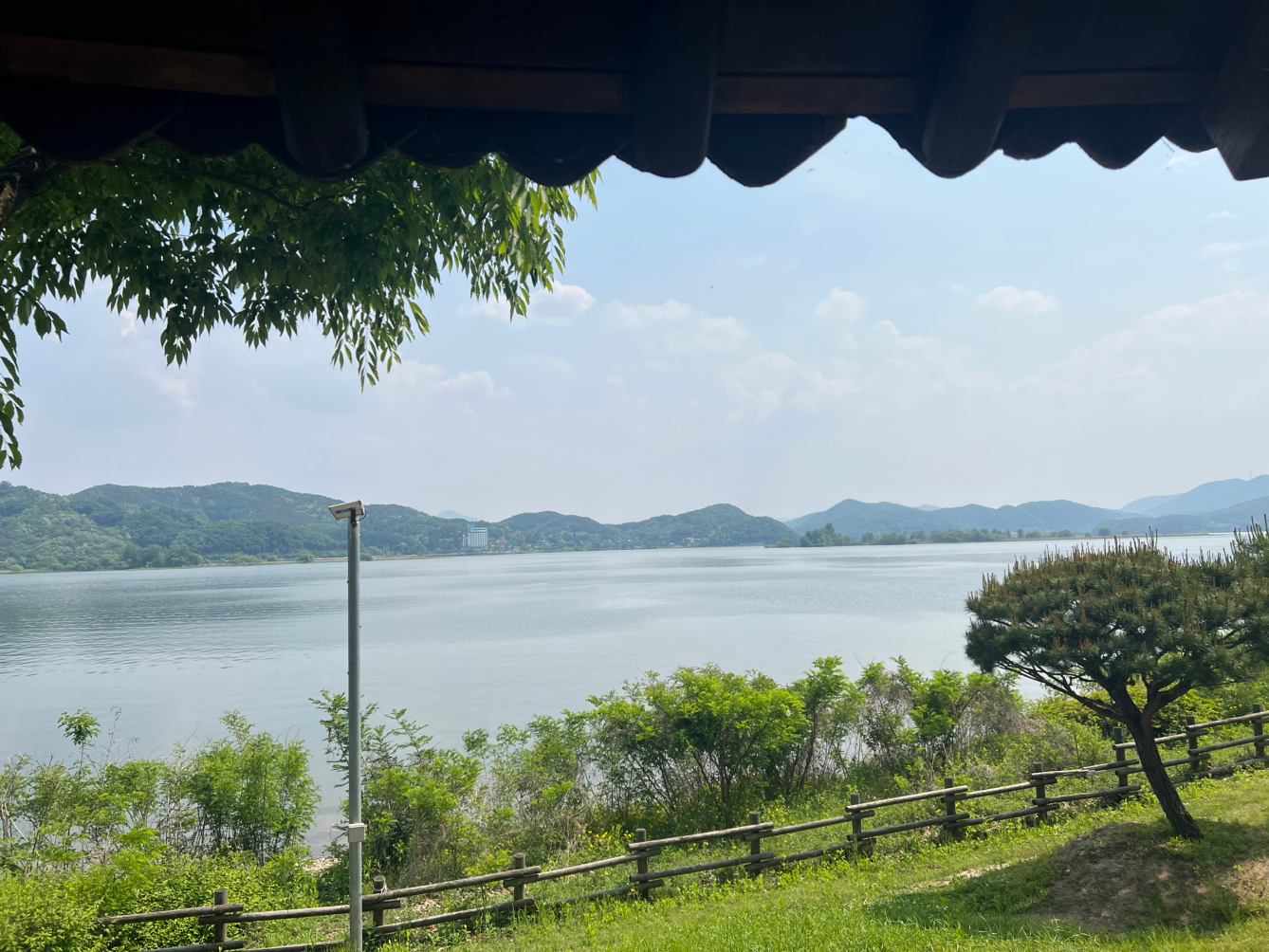
근황 프롤로그
바쁜 회사일을 마무리하고 나니, 어느덧 여유로운 삶 2주 차에 접어든 듯하다. 첫 일주일은 해외를 오가며 지쳤던 체력을 회복하고, 한국 생활에 다시 적응하는 데 거의 모든 시간을 보냈다. 그리고 이번 주부터는 본격적으로 나만의 삶의 루틴을 만들어 지내보고 있는데, 그 속에서 나름의 의미도 있고, 지루한 삶의 재미도 느끼고 있다.
영국 출국 전까지 주어진 두 달의 시간은 오랜만에 찾아온 나만의 여유다. 한국을 떠나며 모든 사람들과 작별 인사(술자리 등)를 하듯 이 시간을 모두 소진하고 싶지는 않다. 무엇보다 나는 그리 외향적인 사람이 아니기에, 일부 가까운 사람들과만 약속을 잡고, 대부분의 시간은 나 자신에게 집중하며 차분하게 보내보려 한다.
단기적으로는 8월에 있을 시험 준비에 집중할 계획이다. 업무와 관련된 시험으로, 생각보다 많은 시간 투입이 필요하다. 회사에 다니는 동안에도 꾸준히 공부해 왔지만, 이제는 정말 마지막 단계에 들어선 느낌이다. 예전에는 새벽에 퇴근하고도 아침에 1~3시간씩 시간을 내어 공부했었다. 바쁜 프로젝트 시기에는 피로 누적으로 인해 몰입도가 떨어지면서 시험 준비에는 어려움이 많았다. 게다가 GMAT과 유학 준비를 병행하던 시기에는 이 시험마저 잠시 손에서 놓아야만 했다.
이번 주부터는 조금 색다르게, 시간관리를 본격적으로 시도해보려 한다. 예전부터 한 번쯤 해보고 싶었던 일이 있었는데, 바로 ‘내 인생의 시간을 나는 실제로 어디에 얼마나 쓰고 있는가’를 구체적으로 들여다보는 것이다. 직장에 다닐 때는 사실 대부분의 시간이 자연스럽게 일에 쓰였기 때문에, 이런 시간 관리 자체가 큰 의미를 가지진 않았다. 그럼에도 불구하고 늘 궁금했다. 나는 과연 어떤 방식으로 하루를 보내고 있는지, 무엇에 시간을 쓰고 있는지. 지금처럼 비교적 자유로운 시기를 맞이한 만큼, 스스로의 시간을 더 의식적으로 관리해보고 싶어졌다. 앞으로도 조금 더 유연한 생활 패턴을 가져가게 될 테니, 이 기회에 한 번 시도해 보는 것도 의미 있을 것 같다.
광고는 아니지만, 여러 가지를 시험해 본 끝에 Toggl Track(https://toggl.com/)이라는 애플리케이션을 발견했다. 사용법은 생각보다 매우 간단했고, 시간을 구체적이고 체계적으로 기록할 수 있었다. 광고가 아니기에 이 이상 자세한 설명은 필요 없을 듯하다. 중요한 건, 내가 정말로 내 시간을 어디에 쓰고 있는지를 스스로 아는 일이다. 예를 들어서, “공부가 중요하다”라고 말하면서도 정작 공부에는 시간을 투자하지 않는, 그런 자기모순적인 모습은 피하고 싶다는 점이었다.
떠나는 자의 잡다한 생각
오랜 시간 몸담았던 회사를 떠나려니, 생각보다 많은 생각들이 머릿속을 스친다. 분명 나아가야 할 방향은 스스로 잘 이해하고 있고, 마음도 단단히 먹었는데도, 이런 결정이 과연 옳은가 하는 질문이 자꾸만 나를 따라다닌다. 그리고 그 뒤에 이어질 진로와 취업에 대한 불확실성은 때때로 나를 두렵게 만든다.
“좋은 학교에 가는 사람이 무슨 걱정이 있겠어.” 이런 말은 겉모습만 보고 내리는, 너무 단편적인 판단이다.
나는 부모님이 마련해 주신 돈으로 편안하게 유학을 떠나는 사람이 아니다. 온실 속 화초처럼 길러진 적도 없다. 밤낮없이 일했고, 스스로 공부했고, 마음 졸이며 투자했던 시간들 속에서 어렵게 만든 나만의 “기회“라고 생각한다. 또한, 나는 대학을 졸업한 이후로 부모님에게 금전적인 지원을 받은 적이 없다. 그런 자금의 대부분을 이번 선택에 쓰기로 했다. 이 결정은 단순히 ‘갈 수 있어서 가는 유학’이 아니라, 오랜 시간 쌓아온 결과물 대부분을 내려놓는 선택이다. 그래서 내게 이 결정은 무겁고, 자연스레 책임감도 따른다.
유학을 준비하는 과정도, 퇴사를 결심하고 발표하던 순간도, 그리고 실제로 회사를 떠나 영국으로 떠나는 그날까지. 매 순간 스스로에게 묻게 되는 것 같다. “정말 이게 맞는 걸까?” 이 과정 속에서 잃은 것도 많다. 물론 얻은 것도 있다. 하지만 때때로 ‘굳이 이렇게까지 하지 않아도, 그냥 평화롭게 잘 지낼 수 있었던 건 아닐까’ 하는 생각이 문득 스쳐가곤 한다. 그렇지만 이번 결정은 ‘잘 되기 위해’ 내린 선택이 아니다. 그저 지금의 나에게 필요한 공간과 시간을 주고, 나에게 더 맞는 미래를 조용히 고민해 보기 위한 여백일 뿐이다. 설령 그 고민의 끝에서 다소 엇나간 답을 내리게 되더라도, 그것 또한 내 인생의 일부로 받아들이며 살아가려 한다. 그래서 그렇게 두렵지는 않다고 다시 마음을 잡으며 지내려고 한다.
얼마 전엔 엄마와 이런 이야기를 나눴다. 엄마는 내가 이번 결정과 같이 무언가 초기화하고 떠나는 결정을 쉽게 쉽게하는 것이 멋지면서도 조금은 특이하다고 했다. 금액을 떠나, 자신이 가진 100 중에 100을 내려놓는 결정을 아무렇지 않게 해 버리는 아들의 모습이 신기하다고 했다. 그런데 사실 나는, 이번뿐 아니라 늘 그래왔다. 무언가를 쥐고 있는 것보다, 놓는 게 더 익숙했던 것 같다.
왜일까 곰곰이 생각해 봤다. 아마 나는 ‘소유한다’는 감각 자체가 약한 사람인 듯하다. 무언가를 가지고 있다고 여긴 적이 별로 없고, 삶에 대해 애초에 높은 기대치도 없다. 그래서 뭔가 없어도 그저 지내면 된다는 마음으로 살아왔다. 지금의 결정 역시 ‘있는 자원을 어떻게 지키느냐’보다, ‘하고 싶은 걸 해보는 과정에서 무언가가 보이지 않을까’라는 단순한 생각에서 비롯된 것이다.
다시 생각해 봐도 나는 대단한 포부가 있는 것도 아니다. 큰 부자가 되고 싶어서 내린 결정도 아니다. 다만, 지금 내 마음이 향하는 곳으로 조용히 걸어가 보려는 것뿐이다.
내가 선택하지 않은 길, 그리고 지금까지의 생각
이런 시기가 처음은 아니다. 아마도, 대학원 졸업하던 시점이 가장 최근인 듯하다. 대학원 졸업 이후 지금의 바쁜 직장을 선택하게 됐을 때, 나에겐 몇 가지 선택지가 있었다. 대기업군, 다른 회계법인, 그리고 박사과정. 대기업은 이미 한 번 경험해 본 터라 굳이 또다시 가고 싶지는 않았다. 그래서 크게 고민하지 않았다. 결국 두 가지 방향이 남았다.
회계법인을 선택했던 이유는 단순히 바쁘게 살고 싶어서가 아니었다. 이런 바쁜 삶은 박사과정에서도 충분히 누릴 수 있었다. 결국 중요한 건 ‘내가 무엇을 즐길 수 있는가’였다. 박사과정의 핵심은 학문과 연구 그 자체를 좋아하느냐는 문제였다.
내 주변엔 다행히도 친구이자 젊은 교수들이 있었다. 두 명의 친구이자 형. 그들의 생활을 지켜보며 나는 내가 박사과정에 맞지 않는 사람이라는 걸 알게 됐다. 이들은 크지 않은 연봉, 누구도 알아주지 않는 환경에서도 늘 새벽까지 공부하고, 스스로를 한계까지 밀어붙이며 연구에 몰입했다. 누가 시켜서가 아니라, 스스로 좋아서. 연구 그 자체가 좋았고, 그 안에서 기쁨을 느꼈다. 박사라는 타이틀이나 교수라는 직함을 위해서가 아니라, 그냥 좋아서였다. 나는 그것을 “아름답다”라고 생각했다.
오히려 세상에는 타인의 시선이나, 명예/권위(사회적 지위), 졸업 이후에 편안한 워라밸 등 부차적인 이유 때문에 박사과정을 선택하는 사람들이 더 많을 수도 있다. 하지만 나는 그런 이유로 선택하는 삶이 결국 ‘보여주기 위한 삶’이라는 생각이 들었고, 그렇게 살면서 내가 사회에 어떤 기여를 할 수 있을지에 대해 회의가 들었다. 그래서 고민 끝에, 결국 즐기지 못하는 것은 결국 잘할 수도 없다는 결론의 판단을 내렸다. 그렇게 회계법인을 선택했고, 사실상 유일한 다른 길을 택했다.
그때 다짐했던 게 있다. 친구가 박사과정 6년을 버텼다면, 나도 그보다는 열심히 살아보자. 적어도 그 정도는 해보자. 내가 과거 런던에서 밤새워 일할 때조차도 즐거웠던 것처럼, 돈을 얼마나 주는지, 승진이 빠른지 보다는 내가 내 일을 즐기고, 그 안에서 성장을 느낄 수 있다면 충분하다고 생각했다.
입사 이후 모든 시간이 그런 이상적인 마음으로 채워지진 않았다. 일이 안 풀릴 땐 답답하고, 마음에 안 드는 프로젝트를 할 때면 퇴사를 고민하기도 했다. 중간중간 다른 기회들을 바라보며 이직 생각을 한 적도 많다. 하지만 결국 모든 걸 내려놓고, “그래도 한번 더 해보자”는 마음 하나로 7년 넘는 시간을 보냈다. 박사과정을 포기하며 했던, 나와의 작은 약속은 나름대로 지켜내지 않았나 라는 생각을 해본다. 아마도, 다행히 그 비교 대상이 각박한 “박사과정”이었기에, 스스로 적당히 타협하면서도 흔들리지 않을 수 있었던 것 같다.
무엇보다도, 주변에 자기가 좋아하는 걸 스스로 해내는 사람들 덕분에 나도 배운 게 많았다. 내가 아무리 잘하는 일이라도, 즐기지 않으면 결국 오래가지 못한다는 걸. 그 분야가 나에게 정말 유익한 길인지 아닌지를 판단할 기준은, 내가 그 일을 즐기며 오래 할 수 있느냐는 것이다.
부모님 커리어에 대해 생각하면, 문득 떠오르는 일화가 하나 있다. 부모님은 금융회사에 다니셨고, 영업본부에서 일하고 계셨다. 어느 시점에 회사 내부 사정으로 채권 쪽으로 부서를 옮길 기회가 생겼다. 외부에서 보기엔 영업은 ‘을’, 채권은 ‘갑’이니 당연히 채권 쪽이 더 편하고 여유로워 보였다. 나도 그게 낫지 않겠냐고 여쭤본 적이 있다.
그런데 부모님은 조금의 망설임도 없이 영업본부에 남겠다고 하셨다. 그 이유가 나에게는 인상 깊었다. “누군가에게 압박을 주고, 쥐어짜는 일에 엮이다 보면 결국 나에게도 안 좋은 영향을 준다”라고 하셨다. 영업은 자신에게는 힘들지만, 잘되면 고객도 좋고, 회사도 좋고, 모두가 좋은 결과를 낼 수 있는 일이라고. 결국 내가 하는 일이 나에게 어떤 영향을 주는지가 더 중요하다고 하셨다.
그때 나도 알게 된 것 같다. 좋지 않은 상황, 갈등 속에서 생기는 비즈니스는 가능하면 가지 말아야겠다고 생각했다.
그래서 지금의 M&A 업무가 좋다. 물론 성사가 안 될 수도 있지만, 잘 되면 사는 쪽도, 파는 쪽도 웃을 수 있다. 모두가 만족할 수 있는 결과가 나올 수 있다. 그게 좋다. 그리고 이 가치관 덕분에 사모펀드 쪽은 애초에 관심이 없다. 무언가를 팔기 위해서 사야 하는 행위, 자본주의의 본질일 순 있지만 내가 굳이 나서서 하고 싶은 일은 아니다.
내가 즐길 수 있는 일을 하면서, 의미를 느끼며 살아가는 것. 나한테는 조금 더 중요하다.
일요일 밤 조금의 여유로운 순간의 생각들.
A Prologue on Where Things Stand
Now that I’ve wrapped up the busy work at the firm, it seems I’ve somehow drifted into my second week of an unhurried life. The first week went almost entirely to recovering the stamina I’d worn down from all the travel abroad, and to readjusting to life back in Korea. From this week, I’ve started building my own routine in earnest, and within it I’m finding a certain meaning, as well as the quiet pleasure of an ordinary life.
The two months I have before leaving for the UK are a stretch of time to myself that I haven’t had in a long while. I don’t want to burn through all of it the way one says goodbye to everyone before leaving Korea (drinking gatherings and the like). More than anything, I’m not a particularly outgoing person, so I plan to make plans only with a few close people and spend most of the time focused on myself, quietly.
In the short term, I plan to concentrate on preparing for an exam in August. It’s a work-related exam, and it requires more time than you’d expect. I kept studying steadily even while working, but now it really feels like I’ve entered the final stretch. In the past, even after getting off work at dawn, I would carve out one to three hours in the morning to study. During busy project periods, accumulated fatigue dulled my focus, and preparing for the exam was difficult. On top of that, while juggling the GMAT and study-abroad preparations, I even had to set this exam aside for a while.
Starting this week, I want to try something a little different and take time management seriously. There’s something I’d long wanted to try at least once: to look concretely at exactly where and how much of my life’s time I’m actually spending. While I was working, most of my time naturally went to work anyway, so this kind of time management didn’t carry much meaning. Even so, I was always curious. How exactly do I spend my day? What do I spend my time on? Now that I’ve arrived at a relatively free period like this, I’ve wanted to manage my own time more consciously. Since I’ll be living with a somewhat more flexible pattern going forward, it seems worth trying it out while I have the chance.
This isn’t an ad, but after testing various options I came across an application called Toggl Track (https://toggl.com/). Using it turned out to be very simple, and it let me record my time concretely and systematically. Since this isn’t an ad, there’s probably no need to explain any further. What matters is knowing for myself where I’m really spending my time. For instance, I wanted to avoid the kind of self-contradiction where you say “studying is important” yet don’t actually invest any time in studying.
The Scattered Thoughts of Someone Leaving
As I prepare to leave the company I spent so long at, more thoughts cross my mind than I expected. I clearly understand the direction I should be heading in, and I’ve steeled myself for it, yet the question of whether this decision is really right keeps following me. And the uncertainty that comes after it, about my career path and finding a job, sometimes frightens me.
“What worries could someone going to a good school possibly have?” That kind of remark is far too superficial a judgment, made from appearances alone.
I’m not someone going off to study abroad comfortably on money my parents set aside. I wasn’t raised like a flower in a greenhouse. I think of it as my own “opportunity,” hard-won through time I worked day and night, studied on my own, and anxiously invested. What’s more, I haven’t received any financial support from my parents since I graduated from university. I’ve decided to spend most of those funds on this choice. This decision isn’t simply “study abroad because I can go,” but a choice to lay down most of what I’ve built up over a long time. So for me, this decision is heavy, and a sense of responsibility naturally comes with it.
Through the process of preparing to study abroad, the moment I resolved to quit and announced it, and right up to the day I actually leave the company and depart for the UK. At every moment, I find myself asking, “Is this really right?” There’s a lot I’ve lost in this process. Of course there’s also what I’ve gained. But every now and then the thought drifts through my mind: “Maybe I didn’t have to go this far at all; maybe I could have just lived peacefully and well.” Still, this decision wasn’t made “in order to succeed.” It’s simply a space, room to give myself the time and place I need now and to quietly think through a future that suits me better. Even if, at the end of all that thinking, I arrive at a somewhat misguided answer, I intend to live accepting that too as part of my life. So I keep steadying myself with the thought that I’m not really that afraid.
Not long ago I had a conversation like this with my mom. She said that the way I make decisions like this one, decisions to reset everything and leave, so easily, is admirable but also a little unusual. Setting aside the money, she said it amazes her to see her son so casually make the decision to lay down all 100 of the 100 he has. But the truth is, this isn’t just this time; I’ve always been like this. Letting go has felt more familiar to me than holding on to something.
I thought hard about why. Probably I’m someone whose very sense of “owning” is weak. I’ve rarely felt that I possess anything, and I didn’t have high expectations of life to begin with. So I’ve lived with the mindset that it’s fine even without something. This decision, too, came from a simple thought: less “how do I protect the resources I have” and more “maybe something will reveal itself in the process of trying the thing I want to do.”
Thinking it over again, I don’t have grand ambitions either. This isn’t a decision I made because I want to become very rich. I’m only trying to walk quietly toward where my heart is pointing right now.
The Road I Didn’t Take, and My Thoughts So Far
This isn’t the first time I’ve gone through a period like this. The most recent one was probably around when I finished graduate school. After graduate school, when I came to choose my current busy job, I had a few options. Large corporations, another accounting firm, and a PhD program. I’d already experienced a large corporation once, so I didn’t really want to go that route again. So I didn’t agonize over it much. In the end, two directions remained.
The reason I chose the accounting firm wasn’t simply that I wanted to live a busy life. A busy life like that could be had just as well in a PhD program. In the end, what mattered was “what I could enjoy.” The crux of the PhD was the question of whether I loved scholarship and research themselves.
Fortunately, around me there were friends who were also young professors. Two of them, friends and older brothers to me. Watching their lives, I came to realize I wasn’t someone suited to a PhD. Even on modest salaries, in an environment where no one recognized them, they always studied until dawn, pushing themselves to their limits and immersing themselves in research. Not because anyone told them to, but because they themselves loved it. They loved research itself, and found joy in it. Not for the title of doctor or the position of professor, but simply because they loved it. I thought that was “beautiful.”
If anything, there may be more people in the world who choose a PhD for secondary reasons, the gaze of others, prestige or authority (social status), a comfortable work-life balance after graduating. But I felt that a life chosen for such reasons is ultimately a “life lived for show,” and I grew skeptical about what contribution I could make to society living that way. So after much thought, I concluded that you ultimately can’t be good at what you can’t enjoy. And so I chose the accounting firm, taking what was effectively the only other path.
There was something I resolved back then. If my friend endured six years of a PhD, then let me live at least harder than that. Let me at least manage that much. Just as I’d enjoyed myself even when I worked through the night in London in the past, I figured that rather than how much money they paid or how fast the promotions came, it would be enough if I could enjoy my work and feel myself growing within it.
Not all of my time after joining was filled with such an idealistic spirit. When work didn’t go well, I felt stuck, and when I was on projects I didn’t like, I’d consider quitting. There were plenty of times I looked at other opportunities and thought about moving on. But in the end, I set it all down and spent over seven years carried by a single thought: “Still, let me give it one more try.” I think that, in my own way, I kept the small promise I’d made to myself when I gave up the PhD. Probably, since my point of comparison was the harsh “PhD,” I was able to compromise a bit with myself while still not wavering.
Above all, I learned a lot thanks to the people around me who pursue what they love on their own. That no matter how good I am at something, if I don’t enjoy it, it ultimately won’t last. The standard for judging whether a field is truly a worthwhile path for me is whether I can enjoy the work and keep at it for a long time.
When I think about my parents’ careers, an anecdote suddenly comes to mind. My parents worked at a financial company, in the sales division. At some point, due to internal circumstances, an opportunity arose to transfer to the bonds side. From the outside, sales is the “weaker party” and bonds the “stronger party,” so naturally the bonds side looked more comfortable and relaxed. I once asked whether that wouldn’t be better.
But my parent said, without the slightest hesitation, that they would stay in the sales division. The reason left an impression on me. “If you get entangled in work that pressures and squeezes others, it ends up affecting you badly too,” they said. Sales is hard on you, but when it goes well, it’s good for the client, good for the company, an outcome where everyone can do well. In the end, they said, what matters more is how the work you do affects you.
I think that’s when I came to understand it too. I decided I should avoid, as much as possible, businesses that arise out of bad situations and conflict.
That’s why I like the M&A work I do now. Of course a deal may fall through, but when it goes well, both the buyer and the seller can smile. An outcome everyone can be satisfied with is possible. I like that. And because of this set of values, I had no interest in private equity from the start. Buying something in order to sell it may well be the essence of capitalism, but it’s not work I particularly want to go out and do myself.
Doing work I can enjoy, and living while feeling meaning in it. That matters a little more to me.
Sunday-night thoughts in a small, unhurried moment.

댓글을 남기려면 이메일로 가입/로그인해주세요. Sign in with your email to leave a comment.