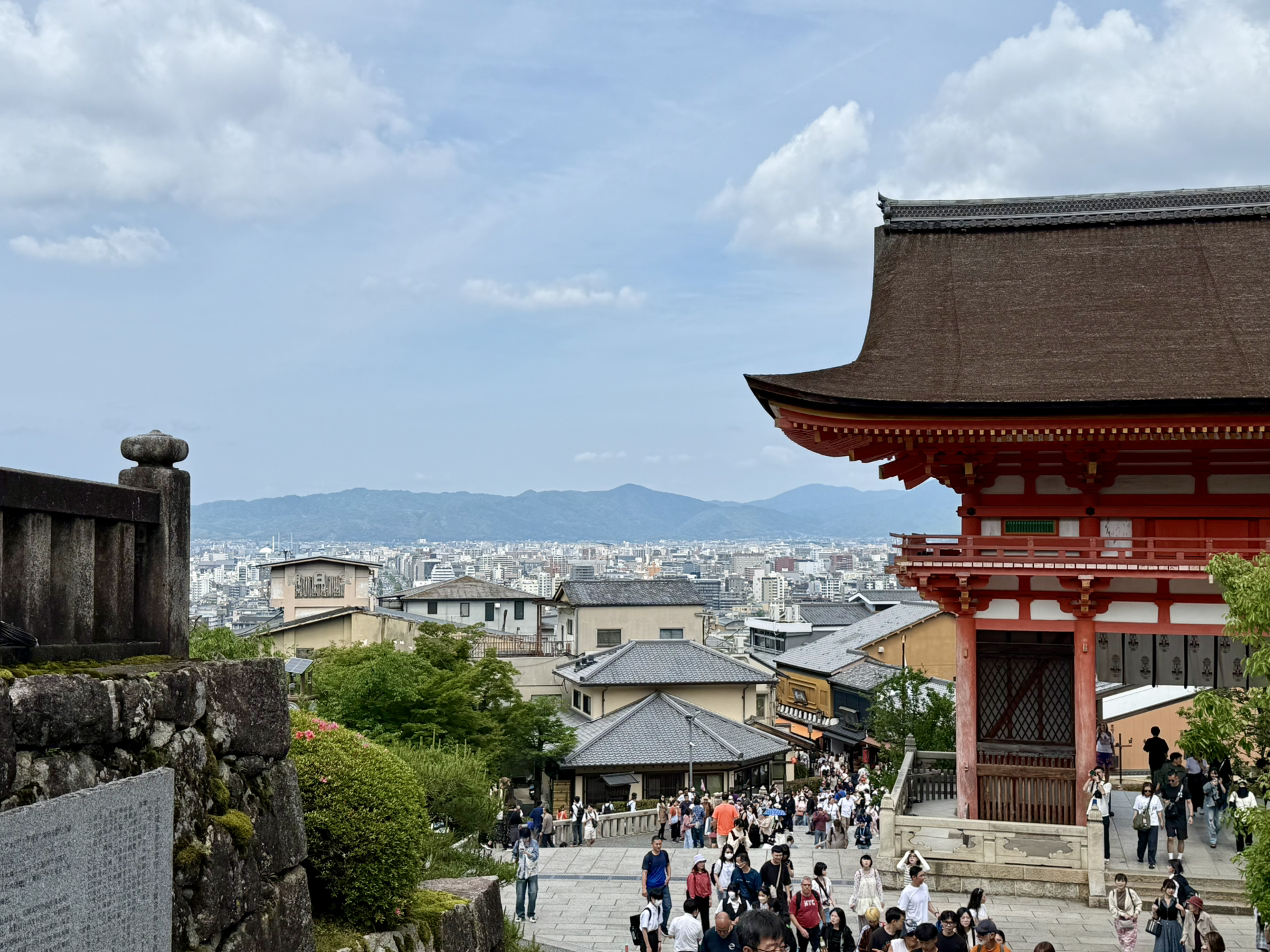
어떤 것을 처음 마주했을 때, 나와의 교집합이 생기는 순간은 대개 불편함으로 다가온다. 그 교집합은 새로운 업무일 수도 있고, 낯선 사람과의 관계일 수도 있다. 때로는 그것이 나를 성장시키기도 하고, 때로는 번거로움을 안기기도 한다.
예를 들어 처음 가보는 나라에서 익숙하지 않은 음식이나 언어로 인해 불편함을 느끼는 건 당연하다. 어려운 업무를 처음 맡았을 때 ‘내가 할 수 있을까?’, ‘이 일을 왜 해야 하지?’, ‘민폐가 되는 건 아닐까?’ 같은 생각이 드는 것도 자연스럽다. 연애에서도 마찬가지다. 상대의 습관, 의도, 태도가 처음엔 낯설고 불편하게 느껴질 수 있다.
하지만 이런 과정 속에서 우리는 더 많이 묻고, 더 깊이 들여다보며, 더 오래 생각하게 된다. 바로 그것이 두려움이다. 이 불편함과 두려움은 우리의 의사결정에 영향을 미친다. 내가 가진 의지가 이 두려움을 넘을 수 있을지, 넘고 싶은지 스스로에게 묻게 만든다. 누구나 어떤 상황에서 발휘할 수 있는 의지의 크기는 다르지만, 확고한 의지를 갖고 포기하지 않는다면 불편함과 두려움은 조금씩 편안함과 익숙함으로 전환된다고 믿는다. 물론 모든 경우에 해당하진 않겠지만, 많은 상황에서는 ‘하다 보면’ 어느 정도 익숙해지는 지점이 생긴다.
익숙함은 두려움과 불편함의 반대편에서 출발한다. 시간이 흐르고, 비슷한 상황을 반복하다 보면 감각이 무뎌진다. ‘이건 이렇게 하면 돼. 지난번에도 이랬잖아. 아마 별일 없을 거야.‘ 같은 생각이 자연스럽게 떠오르고, 자신감을 얻게 된다. 동시에 나태함도 함께 찾아온다.
사람과의 관계에서도 익숙함은 예측 가능성을 만들어낸다. 이 사람이 어떤 상황에서 웃는지, 화를 내는지, 어떤 말을 좋아하는지를 알게 되면 관계는 한결 편안해진다. 나 역시 상대에게 그렇게 읽히게 된다. 이 교집합은 서로에게 안락함을 주기도 한다.
그런데 문제는 이 편안함이 안주와 나태함으로 이어진다는 점이다. 두려움과 불편함에서 출발해, 일정한 의지를 가지고 노력했던 것들이 편안해진 순간, 우리는 다시 그 불편함을 경험하고 싶지 않게 된다. 익숙함은 자신감을 주지만, 동시에 위험한 오만함으로 이어질 수 있다. “나는 이미 알고 있어.”라는 순간, 배움은 멈춘다. 익숙함은 안정감을 주지만, 성장을 막는다.
나는 평생을 항상 두려움과 불편함 속에만 머물고 싶진 않다. 매 순간 긴장하며 살아가는 건 오래 지속되기 어렵기 때문이다. 그래서 나는 나름의 균형을 설정했다. 20대에는 두려움과 불편함의 비중을 80{61dd6028939e6e9509497ea9515dd6fa0e1cd722d4bf42155a61f48a59c57374}, 편안함을 20{61dd6028939e6e9509497ea9515dd6fa0e1cd722d4bf42155a61f48a59c57374}로 삼고, 39살까지는 그 기조를 유지하자고 스스로 약속했다. 이후 40대부터는 점진적으로 편안함의 비율을 높여, 50대쯤에는 30{61dd6028939e6e9509497ea9515dd6fa0e1cd722d4bf42155a61f48a59c57374}:70{61dd6028939e6e9509497ea9515dd6fa0e1cd722d4bf42155a61f48a59c57374}의 균형으로 살아보자고 말이다. 그래서 지금은 의식적으로 조금 더 불편함을 감수하며, 새로운 도전에 스스로를 열어두려 한다. 이건 커리어의 영역뿐 아니라 사람과의 관계에서도 마찬가지다.
늘 같은 것에만 머무르면 내가 진짜로 잘하는 것이 무엇인지, 진짜 좋아하는 것이 무엇인지 알 수 없다. 섬에 갇혀 ‘여기가 최적의 둥지야’라고 생각하는 건 너무 성급한 판단일 수 있다. 하지만 사람의 본성은 편안함에 익숙해진 순간, 변화와 도전에 보수적으로 변하고 현실에 안주하고 싶어지는 쪽으로 기운다. 그래서 나는 비버 사육사처럼 내가 정성껏 쌓아 올린 둥지를 스스로 무너뜨리고, 다른 둥지를 짓는 연습을 하려 한다. 내 안에는 둥지를 부수는 사육사와 그것을 지으려는 비버가 공존한다. 그리고 나는 지금은 의도적으로 사육사가 되려고 조금 더 노력한다.
결국 중요한 건 두려움과 익숙함, 그 두 감정 사이 어딘가에서 스스로 균형을 조절하는 일이다. 모르는 것을 두려워하되, 그걸 이유로 멈추지 않고. 아는 것을 믿되, 그것만으로 안주하지 않는 태도. 그 사이 어딘가에서 나를 세우는 연습이 필요하다.
두려움을 잃지 않되, 그 두려움에 삼켜지지 않는 것. 익숙함을 누리되, 거기서 무뎌지지 않는 것. 그 둘 사이를 오가며 우리는 조금씩 단단해진다. 그리고 나는, 지금 그 경계선 어딘가에 서 있으려 한다.
내가 원하는 건, 내가 좋아하는 일을, 내가 좋아하는 사람들과 함께하는 평생학습이다. 약간의 불편함과 적절한 편안함이 함께하는 삶 말이다.
일본에서 한국을 거쳐 상하이로 가는 비행기에서. 이제 해외출장도 끝이 보인다.
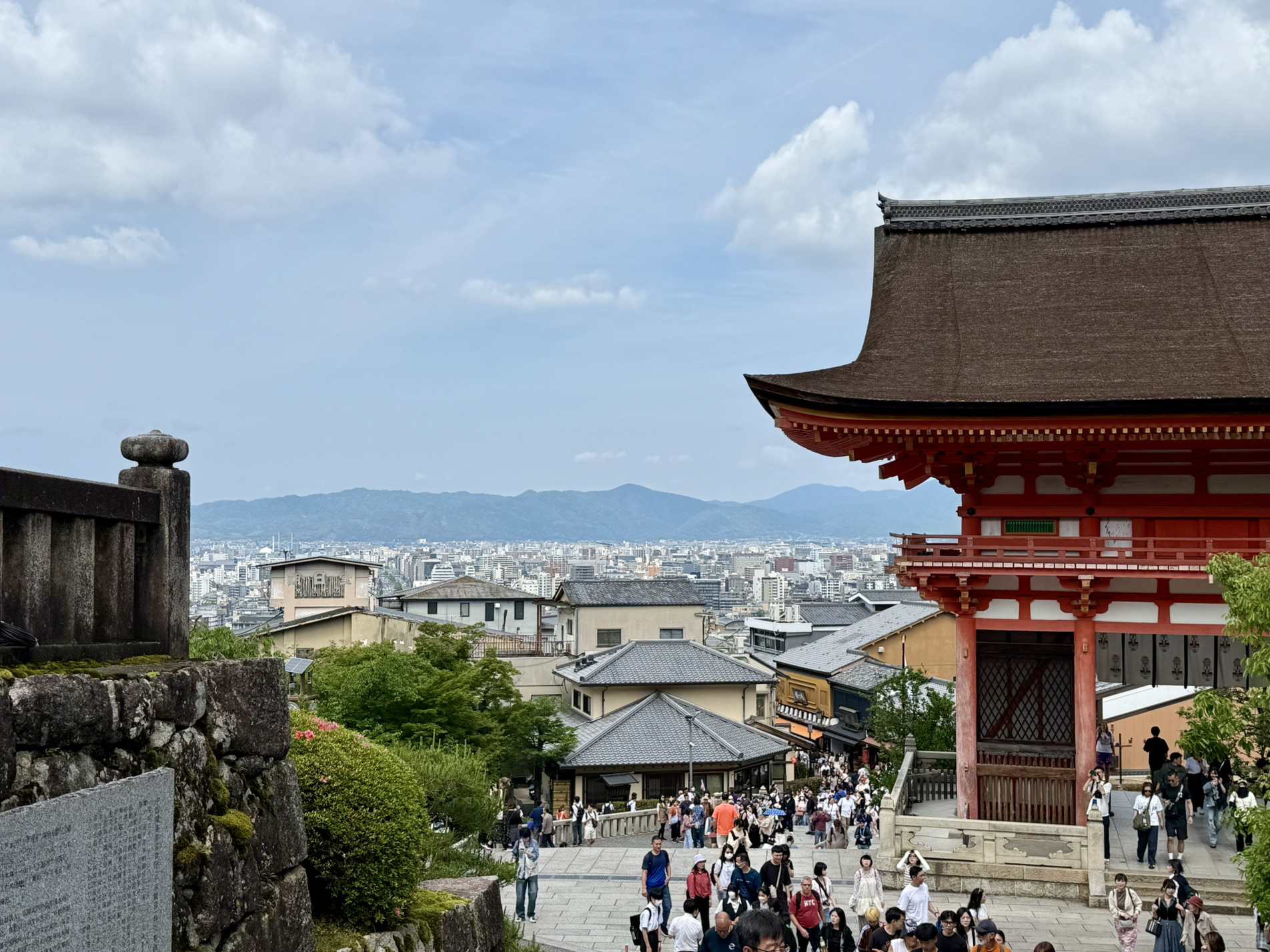
When you first encounter something, the moment it begins to overlap with you tends to arrive as discomfort. That overlap might be a new task, or a relationship with someone unfamiliar. Sometimes it makes you grow; sometimes it just becomes a hassle.
It is only natural, for instance, to feel uncomfortable in a country you are visiting for the first time, struggling with unfamiliar food or language. When you take on a difficult task for the first time, it is also natural for thoughts like ‘Can I really do this?’, ‘Why do I have to do this?’, ‘Am I going to be a burden?’ to surface. The same goes for relationships. A partner’s habits, intentions, and attitudes can feel strange and uncomfortable at first.
But through this process, we ask more, look more deeply, and think for longer. That, precisely, is fear. This discomfort and fear shape our decisions. They make us ask ourselves whether the will we have can clear this fear, and whether we even want to clear it. The amount of will anyone can summon in a given situation differs, but I believe that if you hold firm and don’t give up, discomfort and fear gradually turn into ease and familiarity. Of course it doesn’t hold in every case, but in many situations there comes a point where, ‘as you keep at it,’ you grow somewhat accustomed.
Familiarity begins on the far side of fear and discomfort. As time passes and you repeat similar situations, your senses dull. Thoughts like ‘This is how you do it. It was like this last time too. It’ll probably be fine’ arise naturally, and you gain confidence. At the same time, complacency arrives along with it.
In relationships, too, familiarity creates predictability. Once you know what makes this person laugh, what makes them angry, what kinds of words they like, the relationship becomes far more comfortable. And I, too, come to be read that way by them. This overlap can give both sides a sense of comfort.
The problem, though, is that this comfort leads to settling and complacency. The moment things that began in fear and discomfort, that we worked at with a measure of will, become comfortable, we no longer want to experience that discomfort again. Familiarity gives confidence, but it can also lead to dangerous arrogance. The moment you say, “I already know this,” learning stops. Familiarity gives a sense of stability, but it blocks growth.
I don’t want to spend my whole life dwelling only in fear and discomfort. Living tense in every moment is hard to sustain for long. So I set my own balance. In my twenties I made fear and discomfort 80% and comfort 20%, and I promised myself to hold that tone until I turned thirty-nine. From my forties onward, I would gradually raise the share of comfort, and by my fifties live with a balance of 30%:70%. So for now I consciously take on a little more discomfort and try to keep myself open to new challenges. This applies not only to the realm of career but to relationships with people as well.
If you always stay with the same things, you can never know what you are truly good at or what you truly love. Being trapped on an island and thinking ‘this is the perfect nest’ may be too hasty a judgment. But human nature, the moment it grows used to comfort, tends to turn conservative toward change and challenge, leaning toward settling into the present. So, like a beaver keeper, I want to practice tearing down the nest I have so carefully built up and building another one. Inside me, the keeper who breaks the nest and the beaver who tries to build it coexist. And right now, I deliberately make a bit more effort to be the keeper.
In the end, what matters is adjusting my own balance somewhere between those two emotions, fear and familiarity. To fear what I don’t know, yet not stop for that reason. To trust what I know, yet not settle for that alone. I need to practice standing myself up somewhere in between.
Not losing fear, yet not being swallowed by it. Enjoying familiarity, yet not dulling there. Moving back and forth between the two, we grow a little sturdier. And I, for now, mean to keep standing somewhere along that boundary line.
What I want is lifelong learning, doing work I love alongside people I love. A life that comes with a little discomfort and a fitting measure of comfort.
On a flight from Japan, by way of Korea, to Shanghai. The end of these overseas business trips is finally in sight.

댓글을 남기려면 이메일로 가입/로그인해주세요. Sign in with your email to leave a comment.