
첫 직장에서 일을 시작했을 때 모든 것이 새로웠다. 낯선 런던이라는 환경에서 첫 사회생활을 맞이했기에, 익숙한 장소에서 시작하는 것보다 훨씬 더 새롭게 다가왔다. 일을 시작하고 나서 약 1년 정도는 정신없이 시간이 흘렀던 것 같다. 외국인과 소통하는 법도, 업무 지식을 가진 것도 없는 백지상태였으므로, 주변의 선배분들에게 많은 영향을 받았다. 다행히 내가 속해 있던 업무 환경은 꽤나 좋은 환경이 갖추어져 있었다고 생각한다.
내가 만났던 첫 직장의 팀원들은 모두 제각각의 성향을 지니고 있었지만, 대부분이 일을 진심으로 대했고 꾸밈없는 성실함을 가지고 있었다. 그리고 커뮤니케이션 과정에서도 불필요한 감정 소모나 정보 비대칭이 거의 없었다. 무엇보다도 겸손한 태도가 몸에 배어 있었다. 그러한 조직 속에서 나는 힘든 직장생활이었지만 배울 점이 많았고, 그 과정에서 즐거움도 크게 느꼈다. 흔히 사회 초년생이라 어리다는 이유로 그 모든 것이 새로워서 더 재밌었다고도 말할 수 있겠지만, 지금 다시 돌아봐도 그런 조직에 속해 함께 일할 수 있음에 감사한다. 누구에게나 직장에 대한 기준은 다르겠지만, 내게 직장 생활이란 ‘함께하고 싶은 사람들과 내가 좋아하는 일을 하는 것’이라는 생각은 지금도 크게 변함이 없다. 그래서 그 가치에 부합하는 회사에서 일하기 위해 늘 노력해 왔고, 앞으로도 그런 조직과 환경에서 일하기를 바란다.
직장생활을 시작한 뒤 1년이 지났을 무렵, 나는 조금 더 장기적인 커리어 측면에서 내 일을 다시 고민하기 시작했다. 장기적 경력을 논외로 두더라도, 지금 내가 하는 일을 5년 혹은 10년간 이어갔을 때 어떤 변화가 있을지, 그리고 그 오랜 숙련의 의미가 무엇일지 궁금했었다.
당시 내가 담당했던 업무는 영국 북해에 설치될 해양플랜트 설비에 필요한 여러 장비를 계약하는 일이었다. 영국에서 근무하게 된 이유는 이러한 대형 해양플랜트 설비의 설계 업무를 수행하는 회사들이 주로 유럽이나 미국 텍사스 쪽에 위치해 있었기 때문이다. 보통 해양플랜트의 기본설계와 상세설계 단계(쉽게 말해 플랜트 생산 전 단계)에서는 주로 해외 오피스에서 해당 설계회사 및 공급업체와 협력해 계약을 진행하는 것이 일반적이었다.
먼저, 내가 생각하는 업무의 성질에 대해 설명하고자 한다. 나는 업무를 크게 ‘Depth(전문성)’과 ‘Breadth(플랫폼적인 커뮤니케이션 역량)’ 두 가지로 나눌 수 있다고 본다.
Depth란 업무를 수행하면서 쌓아가는 전문적인 지식이나 역량이다. 예를 들어 쌀을 재배해 판매하는 농부라면, 어떻게 하면 쌀을 효율적으로 생산할지, 도정 과정을 어떻게 개선할지와 같은 기술적 전문성이 여기에 해당한다고 볼 수 있다. 한편 Breadth(플랫폼)는 생산된 쌀을 누구에게 어떻게 판매할지, 쌀이 부족할 때 다른 쌀집에서 빌려올 수 있는지, 또는 생산에 문제가 생기면 다양한 전문가들과 협업해 문제를 해결하는 등 소통과 조율 능력을 말한다. 어떤 일은 Depth만 요구하기도 하고, 어떤 일은 Breadth만 요구하기도 한다. 또 사람마다 어느 쪽이 더 잘 맞는지에 대한 선호도 다르다고 생각한다.
이제 이 개념을 내 업무에 대입해 보자면, 내가 하던 일은 두 가지 요소를 균형 있게 요구되는 일이었다. 해양플랜트 관련 기본 설계 지식과 EPC 계약에 대한 이해가 없으면, 플랫폼 (커뮤니케이션과 같은 문제해결 역량 등) 역할을 활발히 수행하기 어려웠기 때문이다. 내게 이상적으로 느껴진 이 업무의 이상적인 비율은 ‘Depth 50{61dd6028939e6e9509497ea9515dd6fa0e1cd722d4bf42155a61f48a59c57374}와 Breadth 50{61dd6028939e6e9509497ea9515dd6fa0e1cd722d4bf42155a61f48a59c57374}’였다. 전문성 측면에서는 크게 두 가지가 필요했다. 우선 수백 페이지에 이르는 계약서를 체결하기 위해서 계약 법률에 대한 이해와 실제 적용 사례를 숙지해야 했고, 다음으로 그 목적물이 되는 설비의 특성(설계변경이 어떻게 발생할 수 있는지 등)에 대한 설계적 이해가 필수적이었다. 플랫폼적인 측면에서는 오일메이저(플랜트를 발주한 고객), 설계회사, 설비 공급사, 생산 부서 등 다양한 이해관계자들과 소통하면서, 각자의 입장을 파악하고 계약적 위치를 정확하고 빠르게 조율해야 했다. 동시에 감정적으로도 다양한 관계자들과 우호적인 협력 관계를 유지해야 했다.
이 시기에 나는 업무를 통해 무척 빠른 속도로 성장할 수 있었다. 그 이유는 여러 가지가 있겠지만, 그중 가장 큰 이유는 많은 시간을 온전히 업무에 투자할 기회가 주어졌다는 점이었다. 보통 경력이 많은 선임들은 ‘주요 설비’(공급 지연 시 플랜트 생산 일정에 큰 영향을 미치는)를 주로 담당하고, 신입들은 이들 주요 설비 계약에 함께 참여하거나 상대적으로 덜 중요한 설비들을 독자적으로 계약하며 경험을 쌓는 식으로 팀이 운영됐다. 그러나 Depth와 Breadth 양 측면에서 본다면, 계약 규모가 크든 작든 업무 프로세스 자체는 동일했으므로, 배울 수 있는 본질적 내용은 크게 다르지 않았다. 따라서 나 역시 하나의 온전한 담당자로서 책임과 의무를 지고 같은 과정을 체득할 수 있었다는 사실이 좋았다.
당시에는 일 외에 별다른 생활을 해본 기억이 없다. 우리 팀은 일주일 내내, 즉 7일 모두 근무했다. 보통 아침 7시에 출근해 저녁 10시 이전에 퇴근해 본 적이 거의 없다. 그나마 일요일엔 오전 근무만 했기에, 오후에는 약간의 여유를 누릴 수 있었는데, 대부분 공원에 가서 누워 있는 정도로 작은 휴식을 취하곤 했다. 이러한 근무 환경이나 긴 시간 투자는 ‘윗사람이 하니까 어쩔 수 없이 따라간다’는 분위기가 아니라, 각자 해야 할 일을 스스로 파악하고 자율적으로 해내는 조직 문화에서 비롯된 것이었다. 나는 육체적으로는 힘들었지만 그 분위기가 정말 좋았다.
무엇보다 우리 팀이 그렇게 많은 시간을 들여야 했던 이유는 담당해야 할 설비가 무척이나 다양하고 많았기 때문이다. 설비 하나하나를 설계 검토부터 공급 계약까지 진행하고, 실제 공급이 완료될 때까지 관리해야 하니 자연스럽게 많은 시간과 에너지가 필요했다. 게다가 업무 결과가 나 혼자 끝내는 것으로 끝나지 않고, 세계 각지에 있는 다양한 이해관계자의 상황까지 고려하면서 프로젝트 일정과 예산을 관리해야 했다. 세상의 일은 내 마음대로 흘러가지 않는다는 사실을 크게 느끼면서도, 어떤 환경에서도 목표를 달성해야 하는 것이 ‘프로’라는 점을 배운 시기이기도 하다.
그러던 중 1년이 조금 지났을 때, 나는 내 업무에 대해 약간의 아쉬움을 느끼기 시작했다. Breadth 측면에서는 꽤 만족스러운 경험과 성장을 하고 있다고 생각했다. 실제로 GE나 ABB와 같은 글로벌 대형회사와도 효율적으로 소통할 수 있었고, 문제가 생겼을 때 협상하거나 계약 이슈를 해결하는 과정에서 많은 것을 배웠다. 다양한 이해관계자와 소통하거나 내부 조직 간 조율을 하는 측면에서도, 어떤 커뮤니케이션 방식이 효과적인지 혹은 어떤 방식은 작동하지 않는지에 대해 체득할 수 있었다. 그러나 나를 갈증 나게 했던 것은 Depth였다. 앞서 말했듯이 내 업무에서 Depth는 크게 (1) 설계적인 지식과 (2) 계약에 대한 법률 지식으로 나눌 수 있었다. 이 두 가지는 어느 날 갑자기 단기간에 쌓을 수 있는 것은 아니었다.
(2) 법률 지식의 경우, 10~20년간 같은 업무를 지속한다면 경험적으로 어느 정도 축적할 수 있을 거라 생각했다. 실제로 문제 상황에 대한 사례가 무궁무진한 것은 아니었고, 수십 번 반복되는 경험을 통해 숙달이 가능해 보였기 때문이다. 그러나 (1) 설계 지식의 경우, 직접 해외 설계회사의 엔지니어로 일하지 않는 이상 70{61dd6028939e6e9509497ea9515dd6fa0e1cd722d4bf42155a61f48a59c57374} 이상의 이해도를 갖춘 채로 업무를 수행하기는 어려울 것이라는 판단이 들었다. 물론 “정말 그 정도 깊이가 꼭 필요한가?”라는 의문을 제기한다면, 모든 사람에게 꼭 필요한 것은 아닐 수도 있다. 실제로 대부분의 사람들이 그렇게까지 깊은 경험을 가지고 있는 것은 아니다. 그렇지만 나는 내 기준과 목표를 떠올렸을 때, 오랜 경력을 쌓아가며 깊이 있는 지식을 갖춘 상태에서 일하고 싶다는 강한 열망이 있었다. 그래서 그 갈증이 더욱 크게 다가왔다.
돌이켜보면, 내 과거 업무의 ‘Depth 50{61dd6028939e6e9509497ea9515dd6fa0e1cd722d4bf42155a61f48a59c57374}, Breadth 50{61dd6028939e6e9509497ea9515dd6fa0e1cd722d4bf42155a61f48a59c57374}’라는 성질은 내 성향에 무척 잘 맞았다. 나는 어느 정도 깊이 파고들 수 있는 일을 선호하면서도, 동시에 플랫폼적인 역할을 수행하는 것을 즐긴다. 나는 공대를 졸업했지만 연구직 같은 ‘Depth 100{61dd6028939e6e9509497ea9515dd6fa0e1cd722d4bf42155a61f48a59c57374}’의 역할에는 흥미를 크게 느끼지 못했을 것이다. 어떤 지식을 보유하더라도 이를 사람들과 소통해 확장하고 심화시키는 과정을 좋아하기 때문이다. 그런 점에서 처음 맡게 된 업무가 이런 나의 기질과 잘 맞았다는 것은 큰 행운이었다고 생각한다. 어떤 사람은 Depth 100{61dd6028939e6e9509497ea9515dd6fa0e1cd722d4bf42155a61f48a59c57374}의 일을 선호할 수도 있고, 또 다른 누군가는 Breadth 100{61dd6028939e6e9509497ea9515dd6fa0e1cd722d4bf42155a61f48a59c57374}가 더 맞을 수도 있다. 중요한 것은 자신이 어떤 성향인지 잘 파악하고, 그에 맞게 업무를 설계해 가는 것이라고 생각한다.
나는 당시에 첫 직장에서 나는 ‘대학원 진학’이라는 선택을 했다. 회사를 떠나게 된 이유는 회사와 업계 상황도 있었지만, 나의 성향을 누구보다 잘 이해해 주고 적극적으로 지원해 주셨던 팀장님의 권유가 가장 크게 작용했다. 팀장님은 꼭 대학원에 진학하라며 나를 거듭 설득하셨다. 나는 개인적으로 마음의 준비가 덜 되어 지원서를 내지 않고 있었지만, 대학원 지원 마지막 날, 팀장님께서 본부 담당 임원에게 서명을 받은 직접 작성한 긴 추천서를 건네주시며 “이번에 꼭 지원했으면 좋겠다”라고 다시금 말씀하셨다. 나는 그날을 아직도 잊지 못한다. 그렇게 나는 조금 더 ‘Depth’를 충족할 수 있는 길을 찾기 위해 대학원에 가게 되었다.
결론적으로는 대학원을 가게 된 이후 나는 완전히 다른 분야에서 일을 하게 되었지만 업무의 성질에 대한 나의 근본적인 고민에 대해서는 달라진 것이 없다. 누군가 장기적인 커리어나 업무에 대해 고민한다면 나와 비슷하게 2가지 성질로 업무를 나누고 자신의 성향과 기질에 대해생각해 보면 조금 더 명확하게 업무나 커리어의 방향성에 대해 감을 잡을 수 있을 것이라 생각한다.
나는 나를 진정으로 이해하고 내 행복을 진심으로 바라주는 팀원들을 만났다는 사실에 깊이 감사한다. 인생에 있어서 3번의 큰 기회가 온다고 한다면, 나는 그때가 3번 중의 1번이었음에 확신한다.
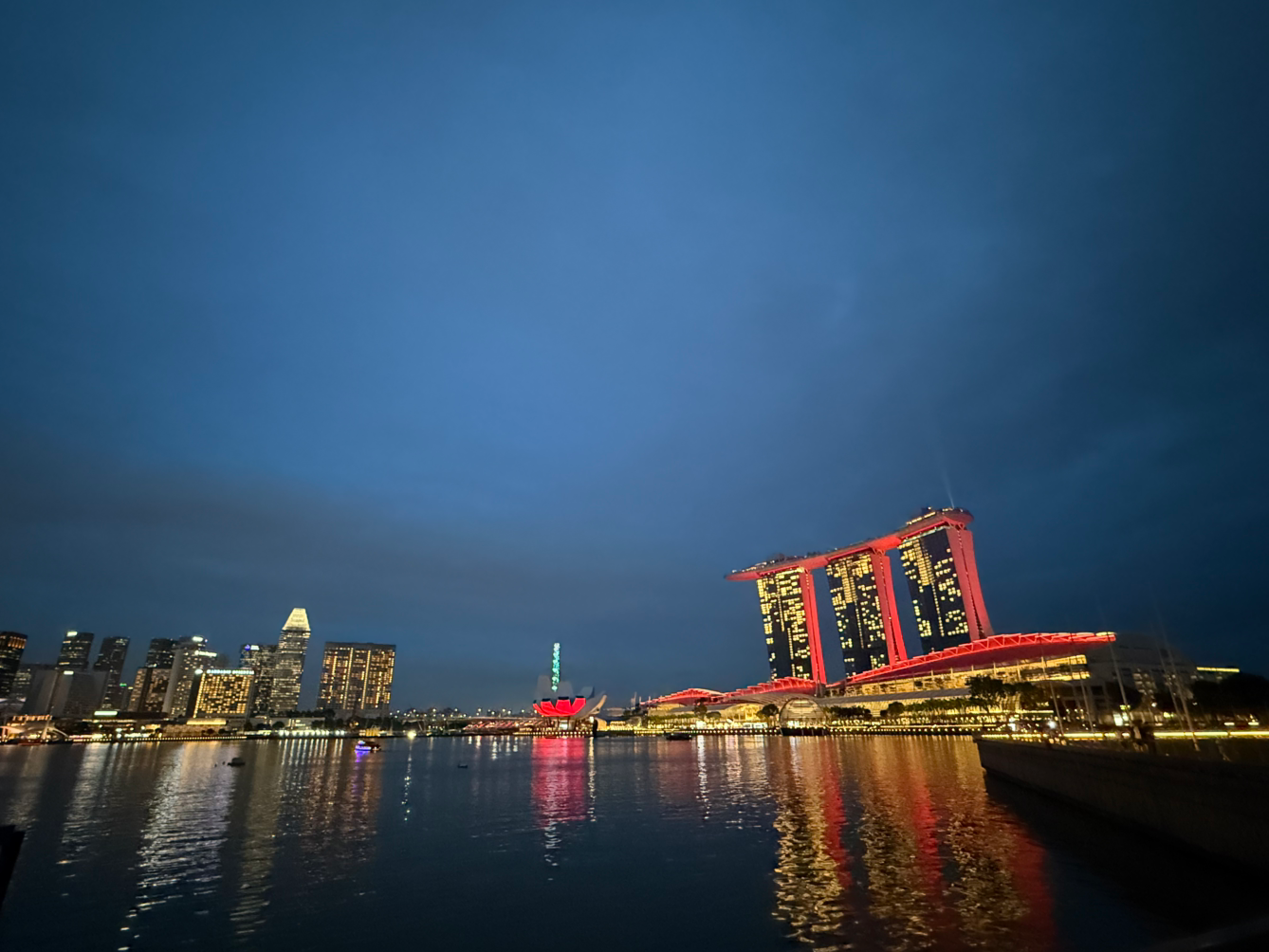
When I started my first job, everything was new. Because I was beginning my working life in unfamiliar London, it felt far newer than starting somewhere familiar would have. For the first year or so after I began, time seemed to pass in a blur. I was a blank slate, with no idea how to communicate with foreigners and no working knowledge to speak of, so I was deeply shaped by the senior colleagues around me. Fortunately, I think the work environment I was part of was a quite good one.
The teammates I met at my first job each had their own distinct dispositions, but most of them took their work seriously and carried an unaffected diligence. And in the course of communication, there was almost no needless emotional drain or information asymmetry. Above all, a humble attitude was second nature to them. Within such an organization, my working life was hard, but there was much to learn, and I felt great joy in the process. People might say that, as a young newcomer to society, everything was new and therefore more fun simply because of my age. But looking back even now, I am grateful that I could belong to such an organization and work alongside those people. Everyone’s standard for a workplace differs, but my belief that working life means ‘doing work I love with people I want to be with’ has hardly changed since. That is why I have always tried to work at companies that align with that value, and why I hope to keep working in such organizations and environments going forward.
About a year after I started working, I began to reconsider my work from a more long-term career perspective. Setting aside long-term career questions, I was curious about what changes would come if I continued the work I was doing for five or ten years, and what the meaning of that long accumulation of skill would be.
The work I handled at the time involved contracting the various pieces of equipment needed for offshore plant facilities to be installed in the British North Sea. The reason I came to work in the UK was that the companies performing the design work for such large offshore plant facilities were mostly located in Europe or in Texas in the United States. Generally, in the basic design and detailed design phases of an offshore plant (in simple terms, the stages before plant production), it was common to proceed with contracts in collaboration with the relevant design firms and suppliers, primarily out of overseas offices.
First, I want to explain how I think about the nature of work. I see work as divisible largely into two things: ‘Depth (expertise)’ and ‘Breadth (platform-like communication capability)’.
Depth is the specialized knowledge or capability you accumulate while performing the work. For example, in the case of a farmer who grows and sells rice, the technical expertise of how to produce rice efficiently or how to improve the milling process would fall under this. Breadth (the platform), on the other hand, refers to the ability to communicate and coordinate: to whom and how the produced rice will be sold, whether you can borrow from another rice shop when rice is short, or, when a problem arises in production, collaborating with various experts to solve it. Some work demands only Depth, and some demands only Breadth. And I think people also differ in their preference for which side suits them better.
Now, applying this concept to my own work, the job I did was one that demanded both elements in balance. Without basic design knowledge related to offshore plants and an understanding of EPC contracts, it was hard to actively perform the platform role (problem-solving capabilities such as communication, and the like). The ideal ratio for this work, as it felt to me, was ‘Depth 50% and Breadth 50%’. On the expertise side, two things were largely needed. First, to conclude contracts running to hundreds of pages, I had to understand contract law and be well-versed in actual application cases; next, a design-level understanding of the characteristics of the equipment that was the subject matter (such as how design changes might arise) was essential. On the platform side, I had to communicate with various stakeholders—the oil major (the customer who ordered the plant), the design firms, the equipment suppliers, the production department, and so on—grasping each party’s position and coordinating contractual standings accurately and quickly. At the same time, I had to maintain emotionally amicable, cooperative relationships with the many parties involved.
During this period, I was able to grow at a remarkably fast pace through my work. There were several reasons, but the biggest was that I was given the chance to invest a great deal of time fully in the work. Typically, the more experienced senior staff handled ‘major equipment’ (items whose supply delays would significantly affect the plant’s production schedule), while new hires built experience by participating alongside them on these major equipment contracts or by independently contracting relatively less important equipment—that was how the team operated. But in terms of both Depth and Breadth, since the work process itself was the same whether the contract was large or small, the essential content you could learn was not greatly different. So I liked the fact that I, too, could internalize the same process while bearing the responsibility and duty of a full owner of my work.
At the time, I have almost no memory of having any life outside of work. Our team worked all seven days of the week. I rarely came in later than 7 a.m. or left before 10 p.m. At least on Sundays we worked only in the morning, so I could enjoy a little leisure in the afternoon—mostly I would take a small rest by going to a park and lying down. This work environment and the long hours invested did not come from an atmosphere of ‘the higher-ups do it, so we have no choice but to follow along’, but from an organizational culture in which each person figured out for themselves what they had to do and carried it out autonomously. It was physically hard, but I really loved that atmosphere.
Above all, the reason our team had to put in so many hours was that the equipment we had to handle was extraordinarily varied and numerous. Each piece of equipment had to be carried from design review through supply contract, and managed until the supply was actually completed, so naturally it required a great deal of time and energy. On top of that, the results of the work did not end with me finishing alone; I had to manage the project schedule and budget while accounting for the circumstances of various stakeholders scattered across the world. It was also a period in which I keenly felt that the world does not unfold as I wish, while learning that being a ‘pro’ means having to achieve your goals under any circumstances.
Then, a little over a year in, I began to feel a slight dissatisfaction with my work. On the Breadth side, I thought I was having quite satisfying experiences and growth. In fact, I could communicate efficiently even with large global companies like GE or ABB, and I learned a great deal in the process of negotiating when problems arose or resolving contractual issues. On the side of communicating with various stakeholders or coordinating among internal organizations, too, I was able to internalize which communication styles were effective and which simply did not work. But what left me thirsting was Depth. As I said earlier, the Depth in my work could be divided largely into (1) design knowledge and (2) legal knowledge of contracts. Neither of these was something you could build up suddenly over a short span of time.
In the case of (2) legal knowledge, I thought that if I continued the same work for ten to twenty years, I could accumulate a fair amount of it through experience. The cases of problem situations were not, in fact, infinite, and it seemed mastery was achievable through experiences that repeated dozens of times. But in the case of (1) design knowledge, I judged that, unless I actually worked as an engineer at an overseas design firm, it would be hard to perform the work with more than 70% comprehension. Of course, if one were to ask, “Is that depth really necessary?”, it may not be essential for everyone. In fact, most people do not have experience that deep. Even so, when I called to mind my own standards and goals, I had a strong yearning to work in a state of deep knowledge built up over a long career. That is why the thirst loomed all the larger.
Looking back, the ‘Depth 50%, Breadth 50%’ nature of my past work suited my disposition extremely well. I prefer work I can dig into with some depth, while at the same time I enjoy performing a platform-like role. Though I graduated from engineering school, I probably would not have felt much interest in a ‘Depth 100%’ role like a research position. That is because, whatever knowledge I hold, I love the process of expanding and deepening it by communicating with people. In that sense, I think it was great fortune that the very first work I was assigned fit my temperament so well. Some people may prefer Depth 100% work, and someone else may find Breadth 100% suits them better. What matters, I think, is understanding well what kind of disposition you have and designing your work to match it.
At that time, in my first job, I made the choice of ‘going to graduate school’. The reasons I came to leave the company included the situation of the company and the industry, but the biggest factor was the encouragement of my team leader, who understood my disposition better than anyone and supported me actively. My team leader repeatedly persuaded me, insisting that I must go to graduate school. Personally, I was not yet mentally ready and had not submitted an application, but on the very last day of graduate school applications, my team leader handed me a long recommendation letter he had written himself and had signed by the executive in charge of the division, saying once more, “I really hope you apply this time.” I still cannot forget that day. And so I went to graduate school in search of a path that could fulfill a bit more ‘Depth’.
In the end, after going to graduate school I came to work in an entirely different field, but nothing has changed about my fundamental reflection on the nature of work. If someone is thinking about their long-term career or work, I believe that dividing work into two natures as I did and reflecting on their own disposition and temperament will help them get a clearer sense of the direction of their work or career.
I am deeply grateful that I met teammates who truly understood me and sincerely wished for my happiness. If it is said that three great opportunities come in a lifetime, I am certain that that time was one of those three.
댓글을 남기려면 이메일로 가입/로그인해주세요. Sign in with your email to leave a comment.